
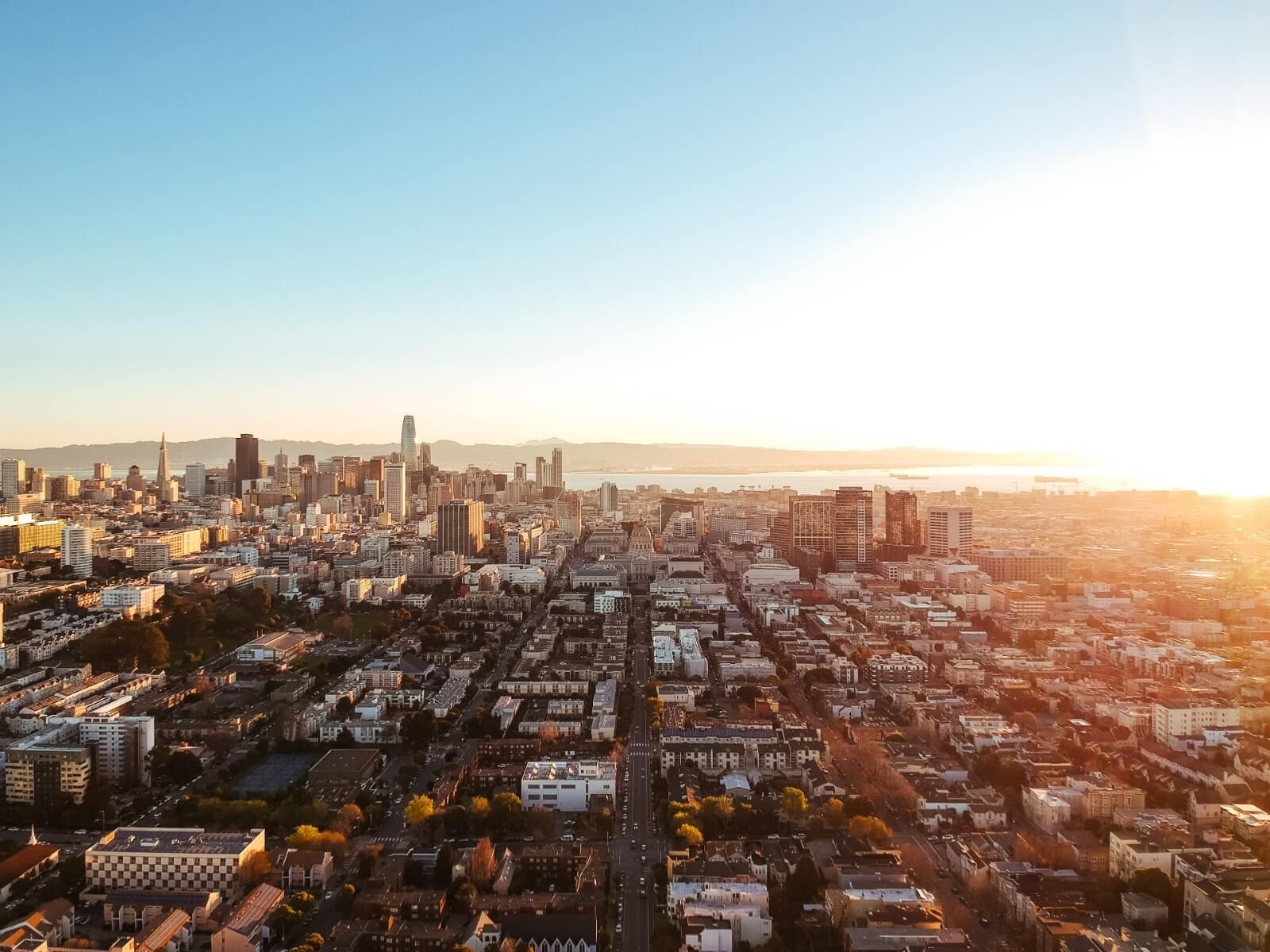
San Francisco Area Guide
Explore districts and dive into subdistrict Q&A
Select a district to view detailed FAQs for each subdistrict.
District Q&A
Expand any district or subdistrict to read the FAQs.
District 1: Northwest
Central Richmond
What is it like to live in Central Richmond?
Central Richmond offers classic residential San Francisco living with a balanced mix of quiet streets and close access to diverse dining and daily conveniences.
What is the overall vibe or personality of Central Richmond?
The vibe is relaxed, multicultural, and family-friendly, with a strong neighborhood identity and steady local activity.
Is Central Richmond safe?
It is generally safe, with typical urban awareness recommended around busier corridors such as Geary Boulevard.
Who typically lives in Central Richmond (young professionals, families, retirees)?
The area attracts families, young professionals, longtime residents, and a diverse community of students and retirees.
How walkable is Central Richmond?
It is highly walkable, especially around Clement Street, California Street, and nearby parks.
Is Central Richmond generally quiet or busy?
The neighborhood is moderately busy, with quiet residential blocks and more activity on commercial streets.
How close is Central Richmond to grocery stores, essentials, and daily conveniences?
Grocery stores, markets, pharmacies, and essentials are widely available along Clement, Geary, and California Streets.
How long is the commute from Central Richmond to major job centers or downtown?
The commute to downtown averages 20 to 35 minutes by car depending on traffic conditions.
Is public transportation in Central Richmond easily accessible and reliable?
Public transportation is reliable and accessible, with multiple Muni lines running along Geary, California, and Clement.
Are there good restaurants, cafés, shops, or parks near Central Richmond?
Central Richmond is known for excellent restaurants, bakeries, cafés, bookstores, and parks including Golden Gate Park and the Presidio.
What is the community vibe in Central Richmond like-laid-back, upscale, artistic, family-oriented?
The community vibe is welcoming, diverse, and neighborhood-oriented, with a focus on local shops and family activity.
Are there local events or neighborhood gatherings in Central Richmond?
Events include farmers markets, cultural festivals, and local gatherings along Clement Street and in nearby parks.
Is Central Richmond dog-friendly?
The area is very dog-friendly with easy access to Golden Gate Park, the Presidio, and numerous walkable streets.
What is the nightlife like in Central Richmond?
Nightlife is modest, centered around casual bars, late-night eats, and neighborhood restaurants.
Are there any notable local attractions or cultural spots in Central Richmond?
Key attractions include the de Young Museum, the Legion of Honor, Clement Street's restaurant corridor, and proximity to major park spaces.
How easy or difficult is it to find street parking in Central Richmond?
Street parking is moderate; some areas are easier than others depending on proximity to commercial blocks.
Do I need a residential parking permit in Central Richmond?
A residential parking permit is recommended for more predictable long-term parking.
What is traffic like in Central Richmond during typical commute times?
Traffic is manageable within the neighborhood but heavier on Geary Boulevard and Park Presidio during peak hours.
Are biking routes in Central Richmond safe and convenient?
Biking is convenient with access to Golden Gate Park and the Presidio, although major corridors require caution due to traffic volume.
How noisy is Central Richmond during the day and night?
Noise levels are generally low on residential streets and moderate around Clement, California, and Geary.
Are there nearby businesses or traffic in Central Richmond that affect noise levels?
Some noise comes from restaurants, shops, and traffic on commercial corridors, but interior blocks remain quiet.
What is the typical weather or microclimate in Central Richmond?
Central Richmond has a cool, mild microclimate with consistent ocean breezes and frequent morning fog but more sunshine than Outer Richmond.
Inner Richmond
What is it like to live in Inner Richmond?
Inner Richmond offers a blend of residential calm and urban convenience with classic Victorian and Edwardian homes lining leafy streets.
What is the overall vibe or personality of Inner Richmond?
The vibe is friendly and unpretentious with a diverse mix of families, young professionals, and long‑time residents enjoying neighborhood eateries and shops.
Is Inner Richmond safe?
It is considered one of the safer parts of San Francisco, though standard urban awareness is advised.
Who typically lives in Inner Richmond (young professionals, families, retirees)?
Residents range from families and students to working professionals and retirees who value a central location and community feel.
How walkable is Inner Richmond?
The neighborhood is highly walkable, especially around Clement Street, Geary Boulevard, and Golden Gate Park.
Is Inner Richmond generally quiet or busy?
Most residential blocks are quiet while commercial corridors like Clement Street and Geary Boulevard are busier.
How close is Inner Richmond to grocery stores, essentials, and daily conveniences?
Grocery stores, Asian markets, pharmacies, and essential services are concentrated along Clement Street and Geary Boulevard.
How long is the commute from Inner Richmond to major job centers or downtown?
Commutes to downtown typically take 20-30 minutes by car or bus depending on traffic.
Is public transportation in Inner Richmond easily accessible and reliable?
Multiple Muni bus lines provide reliable public transit along Geary, California, and Clement, though there is no direct rail service.
Are there good restaurants, cafés, shops, or parks near Inner Richmond?
The area is known for its excellent restaurants, bakeries, and cafés, plus easy access to Golden Gate Park and the Presidio.
What is the community vibe in Inner Richmond like-laid-back, upscale, artistic, family-oriented?
The community vibe is relaxed, multicultural, and family‑oriented with a strong sense of neighborhood identity.
Are there local events or neighborhood gatherings in Inner Richmond?
Local events include farmers markets, street fairs, and community festivals, especially along Clement Street.
Is Inner Richmond dog-friendly?
Inner Richmond is dog‑friendly with nearby parks such as Golden Gate Park and Mountain Lake Park for walks.
What is the nightlife like in Inner Richmond?
Nightlife is modest and centers on casual bars, eateries, and late‑night bakeries along Clement and Geary.
Are there any notable local attractions or cultural spots in Inner Richmond?
Notable attractions include the de Young Museum, Academy of Sciences, and easy access to Clement Street's restaurant corridor.
How easy or difficult is it to find street parking in Inner Richmond?
Street parking ranges from moderate to challenging near commercial corridors; residential permits are common.
Do I need a residential parking permit in Inner Richmond?
A residential parking permit is recommended for predictable parking near busy streets.
What is traffic like in Inner Richmond during typical commute times?
Traffic is moderate within the neighborhood and heavier on Geary Boulevard and Park Presidio during commute hours.
Are biking routes in Inner Richmond safe and convenient?
Biking is feasible with access to Golden Gate Park, though riders should use caution on major streets due to traffic.
How noisy is Inner Richmond during the day and night?
Noise levels are low on residential blocks and moderate along major commercial corridors.
Are there nearby businesses or traffic in Inner Richmond that affect noise levels?
Noise mainly comes from traffic and businesses on Clement Street and Geary Boulevard; interior streets stay quiet.
What is the typical weather or microclimate in Inner Richmond?
The microclimate is cool and foggy with ocean breezes but tends to be slightly sunnier than the Outer Richmond.
Jordan Park / Laurel Heights
What is it like to live in Jordan Park / Laurel Heights?
Jordan Park/Laurel Heights offers quiet, tree-lined residential living with wide streets, spacious homes, and a comfortable, neighborhood-oriented feel.
What is the overall vibe or personality of Jordan Park / Laurel Heights?
The vibe is upscale, calm, and refined - less busy than nearby commercial corridors but still centrally located.
Is Jordan Park / Laurel Heights safe?
Yes - both areas are considered very safe with low crime and consistent neighborhood activity.
Who typically lives in Jordan Park / Laurel Heights (young professionals, families, retirees)?
The neighborhood attracts families, medical professionals from nearby UCSF, and long-time homeowners who value stability and convenience.
How walkable is Jordan Park / Laurel Heights?
Very walkable, especially around Sacramento Street, California Street, and the Laurel Village shopping area.
Is Jordan Park / Laurel Heights generally quiet or busy?
Generally quiet, with a steady but relaxed flow of pedestrians and families.
How close is Jordan Park / Laurel Heights to grocery stores, essentials, and daily conveniences?
Daily conveniences are excellent, with Laurel Village offering groceries, pharmacies, cafés, and boutiques within minutes from most homes.
How long is the commute from Jordan Park / Laurel Heights to major job centers or downtown?
Commutes to downtown typically take 15-25 minutes, with easy access via California Street or nearby Muni lines.
Is public transportation in Jordan Park / Laurel Heights easily accessible and reliable?
Public transit is reliable; buses along California, Geary, and Masonic provide straightforward east-west and north-south routes.
Are there good restaurants, cafés, shops, or parks near Jordan Park / Laurel Heights?
The neighborhood offers strong restaurant, café, and retail options along Sacramento and California Streets, plus close proximity to the Presidio and Golden Gate Park.
What is the community vibe in Jordan Park / Laurel Heights like-laid-back, upscale, artistic, family-oriented?
The community vibe is sophisticated, family-oriented, and balanced - upscale without being flashy.
Are there local events or neighborhood gatherings in Jordan Park / Laurel Heights?
Local events tend to be small-scale, centered around schools, Laurel Village businesses, and nearby Presidio or JCCSF programs.
Is Jordan Park / Laurel Heights dog-friendly?
Very dog-friendly, with flat streets and nearby parks such as the Presidio and Angelo Rossi Park.
What is the nightlife like in Jordan Park / Laurel Heights?
Nightlife is minimal; residents typically go to the Inner Richmond, NOPA, or the Marina for more lively options.
Are there any notable local attractions or cultural spots in Jordan Park / Laurel Heights?
Key attractions include the JCCSF, Laurel Village, the Presidio's hiking entrances, and proximity to USF and UCSF medical campuses.
How easy or difficult is it to find street parking in Jordan Park / Laurel Heights?
Parking is relatively manageable for San Francisco, though some blocks near commercial areas experience higher demand.
Do I need a residential parking permit in Jordan Park / Laurel Heights?
Yes, most residents use a Neighborhood Permit (Area 1 or nearby zones, depending on block).
What is traffic like in Jordan Park / Laurel Heights during typical commute times?
Traffic remains light within residential sections; congestion increases on California Street, Geary Boulevard, and Masonic during peak hours.
Are biking routes in Jordan Park / Laurel Heights safe and convenient?
Biking is convenient, especially along Lake Street and through the Presidio, though some surrounding corridors can be busier.
How noisy is Jordan Park / Laurel Heights during the day and night?
Very quiet for most of the day and night; the neighborhood maintains a residential calm even near commercial streets.
Are there nearby businesses or traffic in Jordan Park / Laurel Heights that affect noise levels?
Noise levels are mild; some traffic noise may occur near Geary or California, but interior blocks stay peaceful.
What is the typical weather or microclimate in Jordan Park / Laurel Heights?
Weather is mild and consistent, with a mix of sun and light fog - generally warmer and less windy than coastal neighborhoods.
Lake Street
What is it like to live in Lake Street?
Living on Lake Street offers a calm, residential environment bordered by the Presidio, giving the area a suburban feel within the city. Homes are well-maintained, and the corridor attracts people who value quiet streets and immediate access to nature.
What is the overall vibe or personality of Lake Street?
The vibe is relaxed, family-friendly, and outdoors-oriented with a strong community presence.
Is Lake Street safe?
Yes - it is considered very safe, with low crime rates and steady neighborhood foot traffic from local residents.
Who typically lives in Lake Street (young professionals, families, retirees)?
Primarily families, young professionals, and long-time homeowners who value space, quiet, and park proximity.
How walkable is Lake Street?
Highly walkable; the entire corridor is flat and connects easily to the Presidio, California Street, and nearby Richmond amenities.
Is Lake Street generally quiet or busy?
Generally quiet, with light activity from walkers, runners, and dog owners using Lake Street as a recreational path.
How close is Lake Street to grocery stores, essentials, and daily conveniences?
Essentials are close by on California Street, Clement Street, and Geary Boulevard - all within a few minutes' walk or drive.
How long is the commute from Lake Street to major job centers or downtown?
Commuting downtown typically takes 20-30 minutes; access to Park Presidio and California St. makes east-west movement efficient.
Is public transportation in Lake Street easily accessible and reliable?
Public transportation is accessible from California, Clement, and Geary; Muni lines are reliable but not as fast as rail service in other areas.
Are there good restaurants, cafés, shops, or parks near Lake Street?
Excellent restaurants, cafés, boutiques, and grocery options sit along Clement and California, with multiple parks and Presidio trails steps away.
What is the community vibe in Lake Street like-laid-back, upscale, artistic, family-oriented?
The community vibe is active, family-focused, and laid-back with strong pride in neighborhood cleanliness and safety.
Are there local events or neighborhood gatherings in Lake Street?
Local events are informal - think block gatherings, Presidio activities, farmer's markets on Clement, and outdoor fitness meetups.
Is Lake Street dog-friendly?
Very dog-friendly; Lake Street itself functions like an unofficial "slow street," and the Presidio offers world-class dog walking.
What is the nightlife like in Lake Street?
Nightlife is limited on Lake Street itself, but bars and restaurants are close by in the Inner Richmond.
Are there any notable local attractions or cultural spots in Lake Street?
Notable spots include the Presidio, Mountain Lake Park, and the nearby Legion of Honor and Land's End.
How easy or difficult is it to find street parking in Lake Street?
Parking is generally manageable for San Francisco, though it tightens closer to California Street and Clement's commercial areas.
Do I need a residential parking permit in Lake Street?
Yes - a residential permit (Area 1) is typically recommended for consistent on-street parking.
What is traffic like in Lake Street during typical commute times?
Traffic is light on Lake Street but increases on cross streets leading to California, Geary, and Park Presidio during peak hours.
Are biking routes in Lake Street safe and convenient?
Biking is excellent, especially with direct connections to the Presidio's extensive trail network and relatively flat terrain.
How noisy is Lake Street during the day and night?
Very quiet, especially during evenings; daytime activity mostly comes from joggers and dog walkers.
Are there nearby businesses or traffic in Lake Street that affect noise levels?
Noise is minimal since there are no major thoroughfares cutting through Lake Street. Noise levels are low, with minimal commercial activity nearby and no major traffic.
What is the typical weather or microclimate in Lake Street?
The microclimate is mild and often sunnier than the Outer Richmond; expect cool breezes, occasional fog, and comfortable temperatures year-round.
Outer Richmond
What is it like to live in Outer Richmond?
Outer Richmond offers laid‑back coastal living with ocean views, modest homes, and proximity to parks and beaches.
What is the overall vibe or personality of Outer Richmond?
The vibe is quiet, family‑oriented, and community‑driven with a strong local identity and a slower pace.
Is Outer Richmond safe?
It is generally safe with low violent crime; standard urban awareness is still recommended.
Who typically lives in Outer Richmond (young professionals, families, retirees)?
Residents include families, surfers, outdoor enthusiasts, and long‑time homeowners seeking more space and tranquility.
How walkable is Outer Richmond?
Walkability is moderate with flat streets; essentials and cafés are clustered along Balboa Street, Geary Boulevard, and Clement Street.
Is Outer Richmond generally quiet or busy?
The neighborhood is mostly quiet, with more activity near transit lines and commercial streets.
How close is Outer Richmond to grocery stores, essentials, and daily conveniences?
Grocery stores, markets, and services are available on Balboa Street, Geary Boulevard, and Clement Street.
How long is the commute from Outer Richmond to major job centers or downtown?
Commutes to downtown range from 25-40 minutes by car depending on traffic.
Is public transportation in Outer Richmond easily accessible and reliable?
Public transportation is available through multiple Muni bus lines, though service can be slower to downtown.
Are there good restaurants, cafés, shops, or parks near Outer Richmond?
Nearby attractions include Land's End, Sutro Baths, Golden Gate Park, and numerous neighborhood eateries and cafés.
What is the community vibe in Outer Richmond like-laid-back, upscale, artistic, family-oriented?
The community vibe is relaxed and neighborly, with a mix of cultures and a strong appreciation for outdoor spaces.
Are there local events or neighborhood gatherings in Outer Richmond?
Local events are modest, including community gatherings and farmers markets in the larger Richmond district.
Is Outer Richmond dog-friendly?
The area is dog‑friendly with access to Ocean Beach, Lands End trails, and Golden Gate Park.
What is the nightlife like in Outer Richmond?
Nightlife is minimal and centered on low‑key bars and restaurants; residents often go to Inner Richmond or the Marina for more action.
Are there any notable local attractions or cultural spots in Outer Richmond?
Notable attractions include the Legion of Honor, Lands End, Sutro Baths, and access to Ocean Beach and Golden Gate Park.
How easy or difficult is it to find street parking in Outer Richmond?
Parking is relatively easy compared to central neighborhoods; some areas near commercial streets are busier.
Do I need a residential parking permit in Outer Richmond?
Residential parking permits are useful for long‑term parking but not always necessary.
What is traffic like in Outer Richmond during typical commute times?
Traffic is light on neighborhood streets but heavier along 25th Avenue, Geary Boulevard, and Great Highway during commute hours.
Are biking routes in Outer Richmond safe and convenient?
Biking is accessible with flat terrain, though strong coastal winds and fog can be challenging.
How noisy is Outer Richmond during the day and night?
Noise levels are low across the neighborhood, with occasional foghorns and wind along the coast.
Are there nearby businesses or traffic in Outer Richmond that affect noise levels?
Noise mainly comes from traffic on Geary Boulevard and Point Lobos Avenue; interior streets remain quiet.
What is the typical weather or microclimate in Outer Richmond?
Outer Richmond has a cool, foggy microclimate with frequent overcast mornings, ocean breezes, and milder temperatures.
Sea Cliff
What is it like to live in Sea Cliff?
Sea Cliff offers a peaceful, luxury residential experience with expansive homes, manicured streets, and sweeping ocean, bridge, and headlands views.
What is the overall vibe or personality of Sea Cliff?
The vibe is quiet, elegant, and exclusive - it feels like a private enclave tucked into the northwest corner of the city.
Is Sea Cliff safe?
Yes, Sea Cliff is considered extremely safe with low crime rates and minimal foot traffic from non-residents.
Who typically lives in Sea Cliff (young professionals, families, retirees)?
Residents are typically affluent families, executives, long-time San Franciscans, and some retirees who appreciate privacy and coastal scenery.
How walkable is Sea Cliff?
Walkability is moderate; outdoor destinations are walkable, but shops and daily conveniences require a short drive.
Is Sea Cliff generally quiet or busy?
The neighborhood is consistently quiet, with very little commercial activity or cut-through traffic.
How close is Sea Cliff to grocery stores, essentials, and daily conveniences?
Grocery stores, pharmacies, and essentials are primarily found along Clement and Geary Streets, about 5-10 minutes away by car.
How long is the commute from Sea Cliff to major job centers or downtown?
The commute to downtown averages 20-30 minutes, slightly longer during peak hours due to limited direct transit routes.
Is public transportation in Sea Cliff easily accessible and reliable?
Public transportation is limited; Muni stops exist nearby, but most residents rely on cars for regular commuting.
Are there good restaurants, cafés, shops, or parks near Sea Cliff?
Clement Street, California Street, and Geary Boulevard offer excellent restaurants, cafés, bars, boutiques, and access to nearby parks like Lincoln Park, Land's End, and Baker Beach.
What is the community vibe in Sea Cliff like-laid-back, upscale, artistic, family-oriented?
The community vibe is upscale, residential, and family-oriented, with an appreciation for privacy, quiet living, and scenic outdoor spaces.
Are there local events or neighborhood gatherings in Sea Cliff?
Local events are minimal; gatherings tend to revolve around nearby cultural institutions like the Legion of Honor rather than neighborhood-specific activities.
Is Sea Cliff dog-friendly?
Highly dog-friendly, with immediate access to trails, beaches, and coastal paths ideal for daily walks.
What is the nightlife like in Sea Cliff?
Nightlife is essentially nonexistent within Sea Cliff; residents typically go to the Richmond, Marina, or Inner Sunset for dining and bars.
Are there any notable local attractions or cultural spots in Sea Cliff?
Key attractions include Land's End, the Legion of Honor, Lincoln Park Golf Course, and Baker Beach - all iconic San Francisco destinations.
How easy or difficult is it to find street parking in Sea Cliff?
Parking is notably easy for San Francisco standards, with wide streets, low density, and minimal competition for curb space.
Do I need a residential parking permit in Sea Cliff?
Yes, a residential parking permit (Area 1) is recommended for consistent street parking, especially near the edges of the neighborhood.
What is traffic like in Sea Cliff during typical commute times?
Traffic within Sea Cliff is light; congestion increases when connecting to California Street, Geary, or Park Presidio Boulevard during commute hours.
Are biking routes in Sea Cliff safe and convenient?
Biking is popular along coastal trails; however, the neighborhood's steep hills and limited bike-dedicated lanes may challenge less experienced riders.
How noisy is Sea Cliff during the day and night?
The neighborhood remains quiet throughout the day and night, aside from natural ocean sounds and occasional wind.
Are there nearby businesses or traffic in Sea Cliff that affect noise levels?
Noise impact is minimal since the neighborhood has no commercial corridors and limited through-traffic.
What is the typical weather or microclimate in Sea Cliff?
Sea Cliff has a mild coastal microclimate with frequent sun, cool breezes, and periodic morning fog; it's slightly sunnier than the Outer Richmond but cooler and windier than central neighborhoods.
Lone Mountain
What is it like to live in Lone Mountain?
Lone Mountain offers a quiet, centrally located residential environment with a mix of single-family homes and classic apartment buildings. It feels stable and well-maintained, with strong access to parks and nearby campuses.
What is the overall vibe or personality of Lone Mountain?
The vibe is calm, academic, and community-oriented with a steady flow of students and local residents.
Is Lone Mountain safe?
It is generally safe, with most blocks experiencing low crime and consistent neighborhood activity.
Who typically lives in Lone Mountain (young professionals, families, retirees)?
The area is home to families, university staff, students from USF, and long-term residents who prefer central but quieter living.
How walkable is Lone Mountain?
It is very walkable, with level streets and quick access to shops along Geary, Clement, and Fulton.
Is Lone Mountain generally quiet or busy?
The neighborhood is mostly quiet, with moderate activity near USF and along commercial corridors.
How close is Lone Mountain to grocery stores, essentials, and daily conveniences?
Grocery stores, pharmacies, and daily conveniences are located nearby on Geary and Clement Streets, all within a short walk or drive.
How long is the commute from Lone Mountain to major job centers or downtown?
The commute to downtown is typically 15 to 25 minutes depending on traffic.
Is public transportation in Lone Mountain easily accessible and reliable?
Public transportation access is strong, with multiple Muni lines connecting to downtown and other parts of the city.
Are there good restaurants, cafés, shops, or parks near Lone Mountain?
Residents are close to excellent restaurants, cafés, and shops on Clement and Geary, along with Golden Gate Park and the Panhandle.
What is the community vibe in Lone Mountain like-laid-back, upscale, artistic, family-oriented?
The community vibe is friendly, balanced, and low-key with a mix of students and long-term residents.
Are there local events or neighborhood gatherings in Lone Mountain?
Events include university activities at USF, neighborhood gatherings, and nearby park events.
Is Lone Mountain dog-friendly?
The neighborhood is dog-friendly with plenty of walkable streets and easy access to the Panhandle and Golden Gate Park.
What is the nightlife like in Lone Mountain?
Nightlife is limited within Lone Mountain itself but easily accessible in the Inner Richmond, NOPA, and Haight Ashbury areas.
Are there any notable local attractions or cultural spots in Lone Mountain?
Notable attractions include the University of San Francisco, nearby museums in Golden Gate Park, and the Benedictine monastery at Lone Mountain.
How easy or difficult is it to find street parking in Lone Mountain?
Parking is moderate and can be competitive near USF, especially during the school year.
Do I need a residential parking permit in Lone Mountain?
Most residents use an Area 1 residential parking permit for more predictable street parking.
What is traffic like in Lone Mountain during typical commute times?
Traffic is light within residential blocks but heavier along Masonic Avenue, Geary Boulevard, and Fulton Street during peak times.
Are biking routes in Lone Mountain safe and convenient?
Biking is convenient with access to the Panhandle bike path, though some main streets require cautious riding.
How noisy is Lone Mountain during the day and night?
The neighborhood is generally quiet, with slightly more noise around USF during daytime hours.
Are there nearby businesses or traffic in Lone Mountain that affect noise levels?
Noise from traffic increases near Masonic Avenue and busy commercial corridors, while interior streets remain peaceful.
What is the typical weather or microclimate in Lone Mountain?
The microclimate is cool and mild with regular fog and ocean breezes, similar to the Richmond District but slightly less windy.
What is the overall vibe or personality of Lone Mountain?
Central West
District 2: Central West
Golden Gate Heights
What is it like to live in Golden Gate Heights?
Golden Gate Heights offers quiet hillside living with sweeping city and ocean views, residential streets, and a strong sense of privacy. It feels tucked away from the busier parts of the city while remaining accessible.
What is the overall vibe or personality of Golden Gate Heights?
The vibe is peaceful, scenic, and residential, with an emphasis on views and hillside tranquility.
Is Golden Gate Heights safe?
It is considered very safe with low crime and steady neighborhood familiarity among residents.
Who typically lives in Golden Gate Heights (young professionals, families, retirees)?
The area attracts families, professionals, long-term homeowners, and residents who prioritize calm surroundings and larger homes.
How walkable is Golden Gate Heights?
Walkability varies due to steep hills. Daily essentials are not within immediate walking distance but can be reached with a short drive.
Is Golden Gate Heights generally quiet or busy?
The neighborhood is generally very quiet with minimal through-traffic.
How close is Golden Gate Heights to grocery stores, essentials, and daily conveniences?
Grocery stores, pharmacies, and conveniences are primarily located in the Inner Sunset along Irving Street, about a 5 to 10 minute drive.
How long is the commute from Golden Gate Heights to major job centers or downtown?
Commute times to downtown average 25 to 35 minutes depending on traffic and route.
Is public transportation in Golden Gate Heights easily accessible and reliable?
Public transportation is accessible via nearby Sunset corridors but may require walking uphill on return trips.
Are there good restaurants, cafés, shops, or parks near Golden Gate Heights?
Excellent restaurants, cafés, and shops are located in the Inner Sunset, with Golden Gate Park and Grandview Park nearby.
What is the community vibe in Golden Gate Heights like-laid-back, upscale, artistic, family-oriented?
The community vibe is laid-back, residential, and outdoors-oriented, with a strong focus on neighborhood quiet and scenic outlooks.
Are there local events or neighborhood gatherings in Golden Gate Heights?
Local events are generally small and community-based, with more activity occurring in the Inner Sunset.
Is Golden Gate Heights dog-friendly?
The area is dog-friendly, with many residents using nearby parks and stairway paths for daily walks.
What is the nightlife like in Golden Gate Heights?
Nightlife is minimal within the neighborhood. Most residents go to the Inner Sunset for restaurants and evening activity.
Are there any notable local attractions or cultural spots in Golden Gate Heights?
Notable attractions include Grandview Park, Turtle Hill, and the mosaic Hidden Garden Steps, all of which offer panoramic city views.
How easy or difficult is it to find street parking in Golden Gate Heights?
Parking is generally easy and predictable due to low density and wide residential streets.
Do I need a residential parking permit in Golden Gate Heights?
A residential parking permit is typically unnecessary, although some residents choose to obtain one for convenience.
What is traffic like in Golden Gate Heights during typical commute times?
Traffic is light within Golden Gate Heights but increases when approaching 19th Avenue or major Sunset corridors.
Are biking routes in Golden Gate Heights safe and convenient?
Biking is possible but challenging due to steep inclines. Experienced cyclists often use the area for training.
How noisy is Golden Gate Heights during the day and night?
Noise levels are low, with occasional wind and foghorn noise depending on weather conditions.
Are there nearby businesses or traffic in Golden Gate Heights that affect noise levels?
There are no major commercial streets or high-traffic corridors within the neighborhood, so noise impact is minimal.
What is the typical weather or microclimate in Golden Gate Heights?
The microclimate is cool and fog-influenced, with frequent fog in summer and breezy conditions year-round, especially on higher elevation streets.
Outer Parkside
What is it like to live in Outer Parkside?
Outer Parkside offers quiet coastal living with a suburban feel, a relaxed pace, and consistent access to beaches and open spaces. Homes are modest and well-kept, with a strong neighborhood identity.
What is the overall vibe or personality of Outer Parkside?
The vibe is laid-back and family-oriented, with a calm residential character and strong surf and beach culture influences.
Is Outer Parkside safe?
The area is generally safe, with low violent crime and typical urban activity concentrated around transit corridors.
Who typically lives in Outer Parkside (young professionals, families, retirees)?
Residents include families, long-time homeowners, young professionals seeking more space, and individuals drawn to quieter coastal living.
How walkable is Outer Parkside?
Walkability is moderate, with flat streets and access to transit and neighborhood shops. Some amenities require a short drive.
Is Outer Parkside generally quiet or busy?
The neighborhood is mostly quiet, with light traffic and low commercial activity.
How close is Outer Parkside to grocery stores, essentials, and daily conveniences?
Daily essentials, groceries, and services are available along Taraval Street, Noriega Street, and nearby Sunset commercial areas.
How long is the commute from Outer Parkside to major job centers or downtown?
Commutes to downtown range from 30 to 45 minutes by car depending on traffic.
Is public transportation in Outer Parkside easily accessible and reliable?
Public transit is available through L-Taraval Muni and several bus lines, providing reliable access to other parts of the city.
Are there good restaurants, cafés, shops, or parks near Outer Parkside?
Restaurants, cafés, bakeries, and surf shops are located along Taraval and Noriega, with Ocean Beach and the Zoo nearby.
What is the community vibe in Outer Parkside like-laid-back, upscale, artistic, family-oriented?
The community vibe is casual, friendly, and outdoors-oriented, with many residents active in beach, surfing, and park activities.
Are there local events or neighborhood gatherings in Outer Parkside?
Local events include small community gatherings, farmers markets in the greater Sunset, and seasonal beach activities.
Is Outer Parkside dog-friendly?
The area is highly dog-friendly with easy access to beach trails, parks, and wide residential streets.
What is the nightlife like in Outer Parkside?
Nightlife is limited, consisting mostly of casual bars and restaurants on Taraval and Noriega.
Are there any notable local attractions or cultural spots in Outer Parkside?
Notable attractions include Ocean Beach, Fort Funston, the San Francisco Zoo, and Sunset Boulevard green spaces.
How easy or difficult is it to find street parking in Outer Parkside?
Parking is generally easy due to wide streets and low density, although some blocks tighten near commercial corridors.
Do I need a residential parking permit in Outer Parkside?
Residential parking permits are usually not required in most parts of Outer Parkside.
What is traffic like in Outer Parkside during typical commute times?
Traffic is light within the neighborhood, with more activity along Sunset Boulevard, Sloat Boulevard, and major east-west corridors.
Are biking routes in Outer Parkside safe and convenient?
Biking is convenient on flat streets, although wind conditions can be strong along the coast.
How noisy is Outer Parkside during the day and night?
The neighborhood is quiet day and night, with occasional noise from wind and ocean conditions.
Are there nearby businesses or traffic in Outer Parkside that affect noise levels?
Noise is minimal since there are no major commercial zones or high-traffic streets within most residential blocks.
What is the typical weather or microclimate in Outer Parkside?
Outer Parkside has a cool, foggy microclimate with frequent coastal fog, steady breezes, and cooler temperatures, especially in summer.
Outer Sunset
What is it like to live in Outer Sunset?
Outer Sunset offers relaxed coastal living with a strong neighborhood feel, modest homes, and a walkable grid near the beach. It provides a balanced mix of quiet residential streets and well-loved local businesses.
What is the overall vibe or personality of Outer Sunset?
The vibe is low-key, artsy, surf-oriented, and highly community-driven with a strong sense of local pride.
Is Outer Sunset safe?
It is generally safe, with low violent crime and typical urban activity around busier corridors like Judah Street.
Who typically lives in Outer Sunset (young professionals, families, retirees)?
Residents include surfers, young professionals, families, artists, and long-term homeowners who value a slower pace and coastal climate.
How walkable is Outer Sunset?
Walkability is strong near Judah Street and other commercial pockets, while more residential blocks require short walks to reach amenities.
Is Outer Sunset generally quiet or busy?
The neighborhood is quiet overall, with more activity around Judah Street and major transit lines.
How close is Outer Sunset to grocery stores, essentials, and daily conveniences?
Grocery stores, coffee shops, pharmacies, and specialty markets are located along Judah, Noriega, and Irving Streets.
How long is the commute from Outer Sunset to major job centers or downtown?
Commutes to downtown generally take 30 to 45 minutes by car, depending on traffic.
Is public transportation in Outer Sunset easily accessible and reliable?
Public transportation is reliable, especially with the N-Judah Muni line providing direct access to downtown and other districts.
Are there good restaurants, cafés, shops, or parks near Outer Sunset?
The area offers beloved cafés, bakeries, neighborhood restaurants, surf shops, and easy access to Ocean Beach and Golden Gate Park.
What is the community vibe in Outer Sunset like-laid-back, upscale, artistic, family-oriented?
The community vibe is creative, easygoing, and neighborly, with a strong outdoor and beach culture.
Are there local events or neighborhood gatherings in Outer Sunset?
Events include community art pop-ups, farmers markets in the greater Sunset, beach cleanups, and occasional neighborhood gatherings along Judah.
Is Outer Sunset dog-friendly?
It is very dog-friendly with wide streets, beach access, and multiple nearby parks.
What is the nightlife like in Outer Sunset?
Nightlife is mellow and centered on local bars, breweries, and casual eateries.
Are there any notable local attractions or cultural spots in Outer Sunset?
Notable attractions include Ocean Beach, the Outer Sunset café corridor along Judah, Golden Gate Park, and nearby surf and wind sport areas.
How easy or difficult is it to find street parking in Outer Sunset?
Street parking is generally easy and widely available, with fewer restrictions than central neighborhoods.
Do I need a residential parking permit in Outer Sunset?
Most residents do not need a residential parking permit in this area.
What is traffic like in Outer Sunset during typical commute times?
Traffic is mild within residential blocks and increases near Sunset Boulevard, 19th Avenue, and Judah Street during peak hours.
Are biking routes in Outer Sunset safe and convenient?
Biking is convenient and popular due to flat terrain, although coastal wind can be strong on some days.
How noisy is Outer Sunset during the day and night?
The neighborhood is quiet throughout the day with occasional wind and ocean noise depending on weather.
Are there nearby businesses or traffic in Outer Sunset that affect noise levels?
Commercial corridors and the N-Judah line create some noise, but residential streets remain peaceful.
What is the typical weather or microclimate in Outer Sunset?
Outer Sunset has a cool, foggy coastal microclimate with frequent fog, steady breezes, and mild temperatures year-round.
Parkside
What is it like to live in Parkside?
Parkside offers calm residential living with a suburban feel, well-kept single-family homes, and easy access to parks and schools. The neighborhood is orderly and stable, with a strong sense of local community.
What is the overall vibe or personality of Parkside?
The vibe is family-oriented, friendly, and relaxed, with a quieter overall pace compared to the Inner Sunset or more commercial districts.
Is Parkside safe?
Parkside is generally safe, with low violent crime and typical urban activity near busier transit routes.
Who typically lives in Parkside (young professionals, families, retirees)?
Residents include families, long-time homeowners, educators, and young professionals who value quiet streets and traditional homes.
How walkable is Parkside?
Walkability is moderate, with flat streets and access to shops along Taraval, Noriega, and 19th Avenue.
Is Parkside generally quiet or busy?
The neighborhood is mostly quiet, with occasional activity near commercial corridors and schools.
How close is Parkside to grocery stores, essentials, and daily conveniences?
Grocery stores, markets, pharmacies, and essential services are available along Taraval Street, Noriega Street, and 19th Avenue.
How long is the commute from Parkside to major job centers or downtown?
Commutes to downtown average 25 to 40 minutes, depending on traffic and route.
Is public transportation in Parkside easily accessible and reliable?
Public transportation is reliable through Muni bus lines and the L-Taraval, which connects to major parts of the city.
Are there good restaurants, cafés, shops, or parks near Parkside?
Restaurants, cafés, bakeries, and small shops are located throughout Taraval and Noriega, with nearby parks such as Stern Grove and Pine Lake Park.
What is the community vibe in Parkside like-laid-back, upscale, artistic, family-oriented?
The community vibe is stable, neighborly, and family-centered, with long-term residents who take pride in the area.
Are there local events or neighborhood gatherings in Parkside?
Local events include Stern Grove concerts in the summer, school fundraisers, and occasional neighborhood gatherings.
Is Parkside dog-friendly?
Parkside is dog-friendly, with wide residential streets and close access to Pine Lake Park and Stern Grove.
What is the nightlife like in Parkside?
Nightlife is minimal, mostly casual restaurants and local pubs scattered along Taraval and Noriega Streets.
Are there any notable local attractions or cultural spots in Parkside?
Notable attractions include Stern Grove, Pine Lake Park, and easy access to Sunset Boulevard green space.
How easy or difficult is it to find street parking in Parkside?
Parking is generally easy on most blocks, with more competition near schools and busy corridors.
Do I need a residential parking permit in Parkside?
Residential parking permits are not typically required in most of Parkside.
What is traffic like in Parkside during typical commute times?
Traffic is light within the neighborhood but significantly heavier along 19th Avenue during peak commute times.
Are biking routes in Parkside safe and convenient?
Biking is accessible on flat residential streets, although major corridors like 19th Avenue are not bike-friendly.
How noisy is Parkside during the day and night?
The neighborhood is quiet day and night, with some daytime activity from nearby schools.
Are there nearby businesses or traffic in Parkside that affect noise levels?
Noise from traffic is mainly concentrated along 19th Avenue and Taraval Street, while interior blocks remain calm.
What is the typical weather or microclimate in Parkside?
Parkside has a cool, foggy coastal microclimate with frequent morning fog, steady breezes, and mild temperatures year-round.
Central Sunset
What is it like to live in Central Sunset?
Central Sunset offers comfortable residential living with a traditional San Francisco feel, a balanced mix of single-family homes, and easy access to parks and neighborhood shops. It feels stable, friendly, and well-connected.
What is the overall vibe or personality of Central Sunset?
The vibe is calm, practical, and community-focused with consistent neighborhood activity and strong local routines.
Is Central Sunset safe?
It is considered safe, with low violent crime and typical urban activity around busier streets such as Irving and Judah.
Who typically lives in Central Sunset (young professionals, families, retirees)?
The area attracts families, young professionals, long-term residents, and students who appreciate affordability and convenience.
How walkable is Central Sunset?
Walkability is strong, especially near Irving Street and other commercial corridors where daily essentials are close by.
Is Central Sunset generally quiet or busy?
The neighborhood is mostly quiet with moderate activity around transit and shopping areas.
How close is Central Sunset to grocery stores, essentials, and daily conveniences?
Grocery stores, pharmacies, markets, and essential services are concentrated along Irving, Judah, and Noriega Streets, all easily accessible.
How long is the commute from Central Sunset to major job centers or downtown?
Commutes to downtown are typically 25 to 40 minutes by car, depending on traffic.
Is public transportation in Central Sunset easily accessible and reliable?
Public transportation is reliable with multiple Muni bus lines and nearby access to the N-Judah, which connects directly to downtown.
Are there good restaurants, cafés, shops, or parks near Central Sunset?
The neighborhood offers excellent dining options, bakeries, cafés, and access to Golden Gate Park and Sunset Boulevard.
What is the community vibe in Central Sunset like-laid-back, upscale, artistic, family-oriented?
The community vibe is grounded, family-friendly, and diverse, with a mix of long-term and newer residents.
Are there local events or neighborhood gatherings in Central Sunset?
Local events include park gatherings, farmers markets in the surrounding Sunset area, and community activities at schools and local businesses.
Is Central Sunset dog-friendly?
Central Sunset is very dog-friendly, with wide sidewalks and close access to Golden Gate Park and other green spaces.
What is the nightlife like in Central Sunset?
Nightlife is modest and focused on casual bars, breweries, and late-night restaurants along Irving and Judah.
Are there any notable local attractions or cultural spots in Central Sunset?
Notable attractions include Golden Gate Park, Sunset Recreation Center, and nearby sections of Ocean Beach.
How easy or difficult is it to find street parking in Central Sunset?
Parking is moderate, with availability improving farther from commercial corridors.
Do I need a residential parking permit in Central Sunset?
Residential parking permits are not typically required in most parts of Central Sunset.
What is traffic like in Central Sunset during typical commute times?
Traffic is light on interior streets and heavier on major routes such as 19th Avenue, Sunset Boulevard, and Lincoln Way.
Are biking routes in Central Sunset safe and convenient?
Biking is accessible and popular due to relatively flat terrain and proximity to Golden Gate Park bike routes.
How noisy is Central Sunset during the day and night?
Noise levels are low on residential blocks and moderate around commercial areas and transit lines.
Are there nearby businesses or traffic in Central Sunset that affect noise levels?
Noise mainly comes from traffic on 19th Avenue and the N-Judah line, but most interior streets remain quiet.
What is the typical weather or microclimate in Central Sunset?
Central Sunset has a cool and foggy coastal microclimate with regular marine layer, mild temperatures, and light breezes, especially during summer.
Inner Sunset
What is it like to live in Inner Sunset?
Inner Sunset offers a lively and walkable residential environment with a strong neighborhood identity, close-knit feel, and immediate access to Golden Gate Park and UCSF. It has a balanced mix of homes, shops, and restaurants.
What is the overall vibe or personality of Inner Sunset?
The vibe is vibrant, eclectic, and community-oriented with a mix of students, professionals, families, and long-term residents.
Is Inner Sunset safe?
It is considered safe, with steady foot traffic and typical urban activity around commercial blocks such as Irving Street.
Who typically lives in Inner Sunset (young professionals, families, retirees)?
Residents include UCSF staff and students, young professionals, families, and long-time homeowners who value convenience and access to outdoor spaces.
How walkable is Inner Sunset?
Walkability is excellent, especially near Irving Street where shops, transit, and dining are concentrated.
Is Inner Sunset generally quiet or busy?
The neighborhood is moderately busy, with more activity around restaurants and transit but quieter residential pockets.
How close is Inner Sunset to grocery stores, essentials, and daily conveniences?
Grocery stores, farmers markets, pharmacies, and everyday services are concentrated along Irving and 9th Avenue and can be reached on foot.
How long is the commute from Inner Sunset to major job centers or downtown?
Commutes to downtown typically range from 20 to 35 minutes by car and can vary with traffic.
Is public transportation in Inner Sunset easily accessible and reliable?
Public transportation access is strong with the N-Judah providing direct service to downtown and multiple bus lines running through the area.
Are there good restaurants, cafés, shops, or parks near Inner Sunset?
Inner Sunset offers excellent restaurants, cafés, bakeries, specialty markets, and direct access to Golden Gate Park, Mt. Sutro, and UCSF.
What is the community vibe in Inner Sunset like-laid-back, upscale, artistic, family-oriented?
The community vibe is welcoming, diverse, and active, with a blend of long-term residents and newer arrivals who appreciate the neighborhood's walkability.
Are there local events or neighborhood gatherings in Inner Sunset?
Local events include the Inner Sunset Sunday farmers market, Golden Gate Park events, community fairs, and seasonal gatherings.
Is Inner Sunset dog-friendly?
The area is very dog-friendly with access to Golden Gate Park, Mt. Sutro trails, and walkable streets.
What is the nightlife like in Inner Sunset?
Nightlife is casual and centered on local bars, breweries, and popular late-night restaurants.
Are there any notable local attractions or cultural spots in Inner Sunset?
Notable attractions include the Japanese Tea Garden, Stow Lake, Mt. Sutro trails, and the 9th and Irving commercial corridor.
How easy or difficult is it to find street parking in Inner Sunset?
Parking can be challenging near commercial areas but improves on higher or more residential blocks.
Do I need a residential parking permit in Inner Sunset?
Residential parking permits are common and helpful for those living near Irving Street or UCSF.
What is traffic like in Inner Sunset during typical commute times?
Traffic is moderate and increases around 9th Avenue, Irving Street, and the N-Judah corridor during peak hours.
Are biking routes in Inner Sunset safe and convenient?
Biking is accessible with connections to Golden Gate Park paths, although some hills toward Mt. Sutro can be steep.
How noisy is Inner Sunset during the day and night?
Noise levels are moderate around commercial corridors and transit routes but quieter on residential streets.
Are there nearby businesses or traffic in Inner Sunset that affect noise levels?
Noise comes primarily from restaurants, foot traffic, and the N-Judah line, while interior blocks are more peaceful.
What is the typical weather or microclimate in Inner Sunset?
Inner Sunset has a cool, fog-influenced microclimate with frequent fog and breezy weather, though it is slightly warmer than the Outer Sunset and Parkside.
Inner Parkside
What is it like to live in Inner Parkside?
Inner Parkside offers quiet and well-kept residential living with classic single-family homes and a close-knit neighborhood feel. It provides a slightly more elevated and protected setting compared to the Outer Sunset and Parkside areas.
What is the overall vibe or personality of Inner Parkside?
The vibe is calm, steady, and family-oriented with a traditional residential character.
Is Inner Parkside safe?
The area is generally safe with low violent crime and typical urban activity near transit corridors.
Who typically lives in Inner Parkside (young professionals, families, retirees)?
Residents include families, long-term homeowners, and young professionals who appreciate a quieter setting with good access to transit.
How walkable is Inner Parkside?
Walkability is moderate. Neighborhood streets are easy to navigate, and shops and services on West Portal Avenue and Taraval Street are within reach.
Is Inner Parkside generally quiet or busy?
The neighborhood is mostly quiet with minimal through-traffic and steady but low activity.
How close is Inner Parkside to grocery stores, essentials, and daily conveniences?
Daily conveniences, markets, cafés, and services are close by on Taraval Street and especially on nearby West Portal Avenue.
How long is the commute from Inner Parkside to major job centers or downtown?
Commutes to downtown typically take 20 to 35 minutes by car depending on traffic conditions.
Is public transportation in Inner Parkside easily accessible and reliable?
Public transportation access is strong, including Muni Metro lines in West Portal and multiple bus routes along nearby corridors.
Are there good restaurants, cafés, shops, or parks near Inner Parkside?
Residents are close to the shops and restaurants of West Portal, parks like Stern Grove and Pine Lake Park, and Sunset commercial streets.
What is the community vibe in Inner Parkside like-laid-back, upscale, artistic, family-oriented?
The community vibe is neighborly, family-centered, and consistent, with many long-term residents.
Are there local events or neighborhood gatherings in Inner Parkside?
Local events tend to occur in the nearby West Portal corridor, including seasonal festivals and community gatherings.
Is Inner Parkside dog-friendly?
The area is dog-friendly with quiet streets and parks such as Pine Lake Park and Stern Grove nearby.
What is the nightlife like in Inner Parkside?
Nightlife is minimal within Inner Parkside itself, but West Portal offers casual dining, bars, and a movie theater.
Are there any notable local attractions or cultural spots in Inner Parkside?
Notable attractions include Stern Grove, proximity to West Portal shops, and access to nearby coastal parks and green spaces.
How easy or difficult is it to find street parking in Inner Parkside?
Parking is generally easier than in denser districts, although it can tighten near West Portal and school areas.
Do I need a residential parking permit in Inner Parkside?
Residential parking permits are not typically required in most of Inner Parkside.
What is traffic like in Inner Parkside during typical commute times?
Traffic is light on residential blocks, with heavier flow on nearby 19th Avenue, Taraval Street, and Sloat Boulevard during peak periods.
Are biking routes in Inner Parkside safe and convenient?
Biking is accessible due to flat and gently sloped streets, though major corridors are busier and require caution.
How noisy is Inner Parkside during the day and night?
Noise levels are low in residential areas, with occasional activity near transit routes.
Are there nearby businesses or traffic in Inner Parkside that affect noise levels?
Noise from traffic is concentrated along nearby major streets, while interior blocks remain quiet.
What is the typical weather or microclimate in Inner Parkside?
Inner Parkside has a cool coastal microclimate with regular fog, mild temperatures, and light breezes throughout the year.
Is Inner Parkside safe?
Southwest
District 3: Southwest
Lake Shore
What is it like to live in Lake Shore?
Lake Shore offers quiet suburban-style living with larger single-family homes, wide streets, and a calm atmosphere near Lake Merced. It feels more spacious than many San Francisco neighborhoods and provides strong access to recreation.
What is the overall vibe or personality of Lake Shore?
The vibe is peaceful, residential, and family-oriented with a slower pace and a strong sense of privacy.
Is Lake Shore safe?
It is considered very safe, with low crime and steady neighborhood familiarity among long-term residents.
Who typically lives in Lake Shore (young professionals, families, retirees)?
Residents include families, retirees, and professionals who prefer quiet streets, larger homes, and close proximity to recreational areas.
How walkable is Lake Shore?
Walkability is moderate. Daily necessities usually require a short drive, but parks and trails are easily reached on foot.
Is Lake Shore generally quiet or busy?
The neighborhood is consistently quiet with minimal traffic and no major commercial corridors.
How close is Lake Shore to grocery stores, essentials, and daily conveniences?
Grocery stores, pharmacies, and essentials are located at the nearby Stonestown Galleria and along 19th Avenue, both within a short drive.
How long is the commute from Lake Shore to major job centers or downtown?
Commutes to downtown typically take 25 to 40 minutes depending on traffic.
Is public transportation in Lake Shore easily accessible and reliable?
Public transportation is available along 19th Avenue with direct routes toward downtown, though many residents rely on cars.
Are there good restaurants, cafés, shops, or parks near Lake Shore?
Nearby amenities include Stonestown Galleria, Lakeshore Plaza, and numerous parks such as Lake Merced and Harding Park.
What is the community vibe in Lake Shore like-laid-back, upscale, artistic, family-oriented?
The community vibe is stable, friendly, and family-centered with long-term residents and well-maintained properties.
Are there local events or neighborhood gatherings in Lake Shore?
Local events are generally tied to nearby schools, parks, or community centers rather than the neighborhood itself.
Is Lake Shore dog-friendly?
The area is dog-friendly with excellent access to trails around Lake Merced and surrounding green spaces.
What is the nightlife like in Lake Shore?
Nightlife is minimal, with most entertainment and dining options located at Stonestown or in adjacent neighborhoods.
Are there any notable local attractions or cultural spots in Lake Shore?
Notable attractions include Lake Merced, Fort Funston, Stern Grove, Harding Park Golf Course, and Stonestown Galleria.
How easy or difficult is it to find street parking in Lake Shore?
Parking is easy throughout Lake Shore due to wide streets, low density, and almost no commercial pressure.
Do I need a residential parking permit in Lake Shore?
Residential parking permits are typically unnecessary in this neighborhood.
What is traffic like in Lake Shore during typical commute times?
Traffic is light on interior streets and heavier along 19th Avenue during commute hours.
Are biking routes in Lake Shore safe and convenient?
Biking is possible and pleasant around Lake Merced, although major corridors like 19th Avenue are not bike-friendly.
How noisy is Lake Shore during the day and night?
The neighborhood is very quiet day and night, with natural sounds from nearby parks and green spaces.
Are there nearby businesses or traffic in Lake Shore that affect noise levels?
Noise levels are minimal, with most noise coming from 19th Avenue or Sloat Boulevard, depending on proximity.
What is the typical weather or microclimate in Lake Shore?
Lake Shore has a cool coastal microclimate with frequent fog, light breezes, and mild temperatures throughout the year.
Merced Heights
What is it like to live in Merced Heights?
Merced Heights offers quiet hillside residential living with a mix of single-family homes, views, and access to nearby educational and recreational hubs. It feels peaceful and somewhat tucked away while still being centrally located in the southwest part of the city.
What is the overall vibe or personality of Merced Heights?
The vibe is calm, modest, and community-oriented with a strong residential identity.
Is Merced Heights safe?
It is considered generally safe, with low violent crime and typical urban activity near transit corridors.
Who typically lives in Merced Heights (young professionals, families, retirees)?
Residents include families, students from nearby campuses, young professionals, and long-term homeowners.
How walkable is Merced Heights?
Walkability is moderate, with some hilly areas. Shops and services on Ocean Avenue or Stonestown require a short walk or drive.
Is Merced Heights generally quiet or busy?
The neighborhood is mostly quiet with light traffic and limited commercial activity within its boundaries.
How close is Merced Heights to grocery stores, essentials, and daily conveniences?
Grocery stores, markets, cafés, and essentials are located on Ocean Avenue, along with additional options at Stonestown Galleria, all within a short drive or moderate walk.
How long is the commute from Merced Heights to major job centers or downtown?
Commutes to downtown are typically 25 to 45 minutes by car depending on traffic.
Is public transportation in Merced Heights easily accessible and reliable?
Public transportation is accessible, with Muni lines on Ocean Avenue connecting to BART and other transit hubs.
Are there good restaurants, cafés, shops, or parks near Merced Heights?
The area is close to restaurants and shops on Ocean Avenue, Stonestown Galleria, and recreational spaces at nearby Lake Merced and CCSF.
What is the community vibe in Merced Heights like-laid-back, upscale, artistic, family-oriented?
The community vibe is friendly, practical, and family-focused with a mix of long-term residents and students.
Are there local events or neighborhood gatherings in Merced Heights?
Local events are primarily linked to nearby schools, community organizations, or neighborhood associations rather than large-scale gatherings.
Is Merced Heights dog-friendly?
The area is dog-friendly with quiet streets and nearby parks, though most larger green spaces require a short walk or drive.
What is the nightlife like in Merced Heights?
Nightlife is minimal within Merced Heights. Most residents visit nearby commercial areas for dining or entertainment.
Are there any notable local attractions or cultural spots in Merced Heights?
Notable attractions include Balboa Park, Ocean Avenue shops, Lake Merced, and proximity to CCSF and San Francisco State University.
How easy or difficult is it to find street parking in Merced Heights?
Street parking is generally easy to moderate with good availability on most blocks.
Do I need a residential parking permit in Merced Heights?
Residential parking permits are not typically required in most of Merced Heights.
What is traffic like in Merced Heights during typical commute times?
Traffic is light within the neighborhood and becomes heavier on Ocean Avenue, 19th Avenue, and near the college campuses during peak times.
Are biking routes in Merced Heights safe and convenient?
Biking is possible but challenging due to steep hills. More experienced cyclists use the area for elevation training.
How noisy is Merced Heights during the day and night?
Noise levels are low, with occasional daytime activity around school routes and nearby transit streets.
Are there nearby businesses or traffic in Merced Heights that affect noise levels?
Noise primarily comes from Ocean Avenue and nearby traffic corridors while interior blocks remain quiet.
What is the typical weather or microclimate in Merced Heights?
Merced Heights has a mild coastal microclimate with cool temperatures, periodic fog, and breezy conditions throughout much of the year.
Lakeside
What is it like to live in Lakeside?
Lakeside offers quiet, suburban-style living with well-maintained single-family homes, tree-lined streets, and a peaceful residential atmosphere. It is known for its tidy appearance, strong community identity, and easy access to amenities.
What is the overall vibe or personality of Lakeside?
The vibe is calm, family-oriented, and orderly with a consistent and long-standing residential character.
Is Lakeside safe?
Lakeside is considered very safe, with low crime rates and a stable local community.
Who typically lives in Lakeside (young professionals, families, retirees)?
Residents include families, retirees, and professionals who want quiet streets, larger homes, and strong access to schools and nearby shopping.
How walkable is Lakeside?
Walkability is moderate. The neighborhood itself is easy to navigate, and daily conveniences are located at nearby Stonestown Galleria and on Ocean Avenue.
Is Lakeside generally quiet or busy?
The neighborhood is very quiet, with little through-traffic and no major commercial activity.
How close is Lakeside to grocery stores, essentials, and daily conveniences?
Grocery stores, pharmacies, and everyday services are available at Stonestown Galleria and along Ocean Avenue, both close by.
How long is the commute from Lakeside to major job centers or downtown?
Commutes to downtown typically range from 25 to 40 minutes depending on traffic conditions.
Is public transportation in Lakeside easily accessible and reliable?
Public transportation is accessible, including Muni routes along 19th Avenue and connections to Muni Metro and BART via nearby stations.
Are there good restaurants, cafés, shops, or parks near Lakeside?
Nearby dining and retail options include Stonestown Galleria, Ocean Avenue restaurants, and easy access to parks such as Lake Merced and Stern Grove.
What is the community vibe in Lakeside like-laid-back, upscale, artistic, family-oriented?
The community vibe is friendly, family-centered, and stable with many long-term residents who take pride in the area.
Are there local events or neighborhood gatherings in Lakeside?
Local events are primarily connected to nearby schools, community centers, or Stonestown-sponsored activities.
Is Lakeside dog-friendly?
The area is dog-friendly with quiet streets and close proximity to Lake Merced trails and other green spaces.
What is the nightlife like in Lakeside?
Nightlife is minimal within Lakeside, with most residents visiting Ocean Avenue or Stonestown for dining and entertainment.
Are there any notable local attractions or cultural spots in Lakeside?
Notable attractions include Lake Merced, Stonestown Galleria, Stern Grove, and nearby recreational facilities.
How easy or difficult is it to find street parking in Lakeside?
Parking is easy throughout Lakeside due to wide streets, garages, and low population density.
Do I need a residential parking permit in Lakeside?
Residential parking permits are generally not required in most parts of Lakeside.
What is traffic like in Lakeside during typical commute times?
Traffic on interior streets is light, while 19th Avenue carries heavy traffic during peak hours.
Are biking routes in Lakeside safe and convenient?
Biking is accessible on residential streets, although nearby major routes require more caution.
How noisy is Lakeside during the day and night?
Noise levels are very low, with most sounds coming from residential activity and occasional traffic from nearby corridors.
Are there nearby businesses or traffic in Lakeside that affect noise levels?
Noise impacts are minimal, except for areas close to 19th Avenue where traffic is more noticeable.
What is the typical weather or microclimate in Lakeside?
Lakeside has a cool coastal microclimate with frequent fog, mild temperatures, and breezy conditions, similar to other southwest neighborhoods.
Merced Manor
What is it like to live in Merced Manor?
Merced Manor offers quiet, suburban-style residential living with well-kept single-family homes, wide streets, and a stable long-term community. It has a peaceful atmosphere and is considered one of the more established neighborhoods in the southwest part of the city.
What is the overall vibe or personality of Merced Manor?
The vibe is calm, traditional, and family-oriented with a strong sense of neighborhood pride.
Is Merced Manor safe?
It is considered very safe, with low crime and consistent residential activity.
Who typically lives in Merced Manor (young professionals, families, retirees)?
Residents include families, retirees, and long-term homeowners who value quiet streets, larger properties, and proximity to shopping.
How walkable is Merced Manor?
Walkability is moderate. The area itself is easy to navigate, and daily necessities are accessible via short walks or drives to Stonestown and Lakeside Village.
Is Merced Manor generally quiet or busy?
The neighborhood is very quiet with minimal through-traffic and no commercial zones on residential blocks.
How close is Merced Manor to grocery stores, essentials, and daily conveniences?
Grocery stores, pharmacies, and essentials are available at Stonestown Galleria, Lakeside Village, and along Ocean Avenue.
How long is the commute from Merced Manor to major job centers or downtown?
Commute times to downtown typically range from 25 to 40 minutes depending on traffic.
Is public transportation in Merced Manor easily accessible and reliable?
Public transportation is accessible on nearby 19th Avenue and Ocean Avenue, with connections to Muni Metro and bus lines.
Are there good restaurants, cafés, shops, or parks near Merced Manor?
The area is close to dining, retail, and services at Stonestown, as well as parks such as Lake Merced, Stern Grove, and Pine Lake Park.
What is the community vibe in Merced Manor like-laid-back, upscale, artistic, family-oriented?
The community vibe is friendly, established, and neighborly with many long-term residents who maintain well-kept properties.
Are there local events or neighborhood gatherings in Merced Manor?
Local events are linked to nearby schools, community organizations, and Stonestown Galleria activities rather than neighborhood-specific gatherings.
Is Merced Manor dog-friendly?
The area is dog-friendly with quiet residential streets and access to nearby parks and trails.
What is the nightlife like in Merced Manor?
Nightlife is minimal within the neighborhood, with residents typically visiting Ocean Avenue or Stonestown for dining or entertainment.
Are there any notable local attractions or cultural spots in Merced Manor?
Notable attractions include Stern Grove, Lake Merced, the proximity to Stonestown Galleria, and recreational areas throughout the southwest corridor.
How easy or difficult is it to find street parking in Merced Manor?
Street parking is easy due to low density and homes with garages, making on-street parking consistently available.
Do I need a residential parking permit in Merced Manor?
Residential parking permits are not typically needed in Merced Manor.
What is traffic like in Merced Manor during typical commute times?
Traffic is light within residential streets but heavier along 19th Avenue and Sloat Boulevard during commute periods.
Are biking routes in Merced Manor safe and convenient?
Biking is accessible on calm residential streets, though major corridors nearby require more caution.
How noisy is Merced Manor during the day and night?
Noise levels are low, with occasional traffic noise only near major bordering streets.
Are there nearby businesses or traffic in Merced Manor that affect noise levels?
Minimal noise disturbance exists, with the quietest areas located deeper inside the neighborhood away from 19th Avenue.
What is the typical weather or microclimate in Merced Manor?
Merced Manor has a cool, fog-influenced microclimate with mild temperatures, steady breezes, and regular morning fog.
Ingleside Heights
What is it like to live in Ingleside Heights?
Ingleside Heights offers modest residential living with a mix of single-family homes, townhomes, and multi-unit buildings. It has a more affordable and practical feel compared to nearby southwest neighborhoods.
What is the overall vibe or personality of Ingleside Heights?
The vibe is unpretentious, diverse, and community-driven with a steady local atmosphere.
Is Ingleside Heights safe?
Ingleside Heights is generally safe, with typical urban activity and increased awareness needed near major corridors like Junipero Serra and Brotherhood Way.
Who typically lives in Ingleside Heights (young professionals, families, retirees)?
Residents include families, students from nearby colleges, young professionals, and long-term homeowners.
How walkable is Ingleside Heights?
Walkability is moderate, with hilly areas and amenities located along nearby Ocean Avenue and at Stonestown.
Is Ingleside Heights generally quiet or busy?
The neighborhood is mostly quiet, with some activity around housing clusters and transit routes.
How close is Ingleside Heights to grocery stores, essentials, and daily conveniences?
Grocery stores, cafés, and essential services are available on Ocean Avenue, at Stonestown Galleria, and within nearby commercial pockets.
How long is the commute from Ingleside Heights to major job centers or downtown?
Commutes to downtown typically take 25 to 45 minutes depending on traffic.
Is public transportation in Ingleside Heights easily accessible and reliable?
Public transportation is accessible with Muni bus routes along Junipero Serra and nearby connections to BART at Daly City Station.
Are there good restaurants, cafés, shops, or parks near Ingleside Heights?
Dining and shopping options are located on Ocean Avenue and at Stonestown, with parks such as Lake Merced and Minnie & Lovie Ward Rec Center close by.
What is the community vibe in Ingleside Heights like-laid-back, upscale, artistic, family-oriented?
The community vibe is friendly, practical, and diverse, with a broad mix of long-term residents and students.
Are there local events or neighborhood gatherings in Ingleside Heights?
Local events are usually tied to community centers, nearby schools, and neighborhood associations rather than large-scale gatherings.
Is Ingleside Heights dog-friendly?
The area is dog-friendly with quiet streets and easy access to nearby parks and open spaces.
What is the nightlife like in Ingleside Heights?
Nightlife is limited, with residents typically visiting other nearby districts for dining and entertainment.
Are there any notable local attractions or cultural spots in Ingleside Heights?
Notable attractions include Lake Merced, Brooks Park, the proximity to SFSU and CCSF, and nearby shopping at Stonestown.
How easy or difficult is it to find street parking in Ingleside Heights?
Street parking is generally manageable, with availability depending on proximity to multi-unit buildings and transit zones.
Do I need a residential parking permit in Ingleside Heights?
Residential parking permits are not commonly required in most parts of Ingleside Heights.
What is traffic like in Ingleside Heights during typical commute times?
Traffic is moderate on residential streets and heavier on Junipero Serra Boulevard, 19th Avenue, and Brotherhood Way during peak periods.
Are biking routes in Ingleside Heights safe and convenient?
Biking is possible on residential streets but challenging along major corridors due to traffic volume.
How noisy is Ingleside Heights during the day and night?
Noise levels are low within interior streets, with more activity near major roads and apartment clusters.
Are there nearby businesses or traffic in Ingleside Heights that affect noise levels?
Noise from traffic is most noticeable near Junipero Serra Boulevard and Brotherhood Way.
What is the typical weather or microclimate in Ingleside Heights?
Ingleside Heights has a cool, foggy southwestern microclimate with consistent breezes and mild temperatures throughout the year.
Ingleside
What is it like to live in Ingleside?
Ingleside offers practical, residential living with a mix of single-family homes, multi-unit buildings, and small neighborhood commercial pockets. It feels diverse, lived-in, and community-centered with strong access to public transit.
What is the overall vibe or personality of Ingleside?
The vibe is friendly, down-to-earth, and culturally diverse with an active local presence along Ocean Avenue.
Is Ingleside safe?
Ingleside is generally safe, with typical urban activity near transit and commercial corridors. Safety improves on quieter interior blocks.
Who typically lives in Ingleside (young professionals, families, retirees)?
Residents include families, students from CCSF, young professionals, and long-term homeowners who appreciate affordability and transit access.
How walkable is Ingleside?
Walkability is strong near Ocean Avenue and Monroe, with residential blocks that are easy to navigate. Some hilly areas exist depending on location.
Is Ingleside generally quiet or busy?
The neighborhood is moderately quiet, with more activity near commercial streets, transit hubs, and schools.
How close is Ingleside to grocery stores, essentials, and daily conveniences?
Grocery stores, markets, cafés, pharmacies, and essential services are located along Ocean Avenue and nearby commercial nodes.
How long is the commute from Ingleside to major job centers or downtown?
Commutes to downtown typically range from 20 to 40 minutes depending on traffic.
Is public transportation in Ingleside easily accessible and reliable?
Public transportation access is excellent, with Muni buses, K-Ingleside Muni Metro, and nearby BART at Balboa Park Station.
Are there good restaurants, cafés, shops, or parks near Ingleside?
Dining and shops on Ocean Avenue provide varied options, and residents are close to Balboa Park, CCSF, and nearby Lake Merced.
What is the community vibe in Ingleside like-laid-back, upscale, artistic, family-oriented?
The community vibe is inclusive, energetic, and neighborhood-focused, with a strong mix of families and students.
Are there local events or neighborhood gatherings in Ingleside?
Local events occur through the Ocean Avenue Association, neighborhood groups, and activities linked to CCSF and Balboa Park.
Is Ingleside dog-friendly?
The area is dog-friendly with walkable streets and nearby parks for daily exercise.
What is the nightlife like in Ingleside?
Nightlife is limited, mostly small restaurants, cafés, and bars along Ocean Avenue.
Are there any notable local attractions or cultural spots in Ingleside?
Notable attractions include Balboa Park, Ocean Avenue shopping and dining, CCSF, and close access to Lake Merced.
How easy or difficult is it to find street parking in Ingleside?
Parking varies by block. Residential streets are moderate, while areas near Balboa Park Station and Ocean Avenue can be more competitive.
Do I need a residential parking permit in Ingleside?
Residential parking permits are helpful in certain sections but not required in much of the neighborhood.
What is traffic like in Ingleside during typical commute times?
Traffic is light on interior streets and heavier along Ocean Avenue, San Jose Avenue, and near Balboa Park Station during peak hours.
Are biking routes in Ingleside safe and convenient?
Biking is possible on flatter streets, though some sections and nearby corridors require heightened caution.
How noisy is Ingleside during the day and night?
Noise levels are moderate, with increased activity near transit lines and commercial areas.
Are there nearby businesses or traffic in Ingleside that affect noise levels?
Noise comes primarily from Muni lines, BART activity near Balboa Park, and cars along Ocean Avenue and San Jose Avenue.
What is the typical weather or microclimate in Ingleside?
Ingleside has a cool southwestern microclimate with frequent fog, breezy conditions, and mild temperatures year-round.
Oceanview
What is it like to live in Oceanview?
Oceanview offers modest residential living with a mix of single-family homes, multi-unit buildings, and hillside streets. It has a practical, lived-in feel with strong community roots and improving access to nearby commercial corridors.
What is the overall vibe or personality of Oceanview?
The vibe is diverse, down-to-earth, and community-oriented with an authentic neighborhood character.
Is Oceanview safe?
Oceanview is generally safe on residential blocks, though awareness is recommended near major corridors such as Alemany Boulevard and Orizaba Avenue.
Who typically lives in Oceanview (young professionals, families, retirees)?
Residents include families, students, young professionals, and long-term homeowners who appreciate relative affordability and transit access.
How walkable is Oceanview?
Walkability is moderate with some steep streets. Access to shops and services improves near Ocean Avenue and San Jose Avenue.
Is Oceanview generally quiet or busy?
The neighborhood is mostly quiet, with more activity near transit and school areas.
How close is Oceanview to grocery stores, essentials, and daily conveniences?
Daily conveniences, groceries, and services are available on nearby Ocean Avenue, at Stonestown Galleria, and within adjacent neighborhoods.
How long is the commute from Oceanview to major job centers or downtown?
Commutes to downtown typically take 25 to 45 minutes by car depending on traffic.
Is public transportation in Oceanview easily accessible and reliable?
Public transportation is accessible, with nearby Muni lines and close proximity to Balboa Park BART Station for regional travel.
Are there good restaurants, cafés, shops, or parks near Oceanview?
Ocean Avenue offers dining, cafés, and retail options, and residents are close to parks like Brooks Park and Minnie & Lovie Ward Rec Center.
What is the community vibe in Oceanview like-laid-back, upscale, artistic, family-oriented?
The community vibe is friendly, resilient, and diverse, with many long-term residents and active neighborhood groups.
Are there local events or neighborhood gatherings in Oceanview?
Local events are typically organized through community centers, neighborhood associations, and adjacent Ocean Avenue organizations.
Is Oceanview dog-friendly?
The area is dog-friendly with quiet streets and multiple small parks and green spaces in close reach.
What is the nightlife like in Oceanview?
Nightlife is minimal within Oceanview itself, with most activity located on Ocean Avenue or in other nearby neighborhoods.
Are there any notable local attractions or cultural spots in Oceanview?
Notable attractions include Brooks Park, Minnie & Lovie Ward Rec Center, and quick access to Balboa Park and City College.
How easy or difficult is it to find street parking in Oceanview?
Street parking is generally moderate. Availability varies depending on block density and proximity to transit hubs.
Do I need a residential parking permit in Oceanview?
Residential parking permits are not commonly required in most parts of Oceanview.
What is traffic like in Oceanview during typical commute times?
Traffic is light on interior streets but heavier along Ocean Avenue, Alemany Boulevard, and San Jose Avenue during peak periods.
Are biking routes in Oceanview safe and convenient?
Biking is possible on quieter streets, although some hills and busy corridors require caution.
How noisy is Oceanview during the day and night?
Noise levels are generally low on residential streets with modest increases near transit, schools, and major roadways.
Are there nearby businesses or traffic in Oceanview that affect noise levels?
Noise impacts are primarily tied to Alemany Boulevard, San Jose Avenue, and the I-280 corridor.
What is the typical weather or microclimate in Oceanview?
Oceanview has a cool southwestern microclimate with frequent fog, mild temperatures, and breezy conditions throughout the year.
Who typically lives in Oceanview (young professionals, families, retirees)?
Twin Peaks West
District 4: Twin Peaks West
Balboa Terrace
What is it like to live in Balboa Terrace?
Balboa Terrace offers elegant, suburban-style living with spacious single-family homes, wide streets, and a quiet, established residential feel. The neighborhood is well-kept and known for its architectural consistency and landscaped yards.
What is the overall vibe or personality of Balboa Terrace?
The vibe is calm, upscale, and family-oriented with a strong sense of stability and pride of ownership.
Is Balboa Terrace safe?
It is considered very safe, with low crime and consistent neighborhood familiarity among long-term residents.
Who typically lives in Balboa Terrace (young professionals, families, retirees)?
Residents include families, professionals, and retirees who value privacy, larger homes, and close proximity to schools and transit.
How walkable is Balboa Terrace?
Walkability is moderate, with flat streets and nearby access to West Portal shops and St. Francis Wood pathways.
Is Balboa Terrace generally quiet or busy?
The neighborhood is consistently quiet with minimal traffic and no commercial activity within its boundaries.
How close is Balboa Terrace to grocery stores, essentials, and daily conveniences?
Grocery stores, pharmacies, and essential services are located nearby in West Portal Village and at Stonestown Galleria, both a short drive or walk away.
How long is the commute from Balboa Terrace to major job centers or downtown?
Commutes to downtown typically take 20 to 35 minutes depending on traffic and the chosen route.
Is public transportation in Balboa Terrace easily accessible and reliable?
Public transportation is very accessible, with multiple Muni Metro lines available at West Portal Station.
Are there good restaurants, cafés, shops, or parks near Balboa Terrace?
Residents enjoy nearby restaurants, cafés, retail shops in West Portal, and recreational access to Stern Grove and surrounding parks.
What is the community vibe in Balboa Terrace like-laid-back, upscale, artistic, family-oriented?
The community vibe is friendly, long-established, and family-centered with many residents living in the neighborhood for decades.
Are there local events or neighborhood gatherings in Balboa Terrace?
Most local gatherings occur through neighborhood associations, nearby schools, or West Portal community events.
Is Balboa Terrace dog-friendly?
The area is dog-friendly, with pleasant residential streets and easy access to nearby parks and green spaces.
What is the nightlife like in Balboa Terrace?
Nightlife is minimal within Balboa Terrace, with West Portal offering casual dining, pubs, and a movie theater for evening activity.
Are there any notable local attractions or cultural spots in Balboa Terrace?
Notable attractions include West Portal Village, Stern Grove, and proximity to St. Francis Wood and other scenic southwest neighborhoods.
How easy or difficult is it to find street parking in Balboa Terrace?
Street parking is generally easy due to wide streets and single-family homes with garages.
Do I need a residential parking permit in Balboa Terrace?
Residential parking permits are not typically required in Balboa Terrace.
What is traffic like in Balboa Terrace during typical commute times?
Traffic inside the neighborhood is very light, while nearby corridors such as 19th Avenue and Ocean Avenue experience heavier flow.
Are biking routes in Balboa Terrace safe and convenient?
Biking is comfortable on residential streets, although nearby major corridors require more caution.
How noisy is Balboa Terrace during the day and night?
Noise levels are very low within the neighborhood, with occasional sound from nearby transit routes.
Are there nearby businesses or traffic in Balboa Terrace that affect noise levels?
Noise impacts are minimal except near the edges closest to 19th Avenue or West Portal transit areas.
What is the typical weather or microclimate in Balboa Terrace?
Balboa Terrace has a cool coastal microclimate with frequent fog, mild temperatures, and light breezes year-round.
Diamond Heights
What is it like to live in Diamond Heights?
Diamond Heights offers quiet, elevated residential living with mid-century homes, apartment complexes, and sweeping city and bay views. It feels more spacious than most central neighborhoods and provides a calm, hillside atmosphere.
What is the overall vibe or personality of Diamond Heights?
The vibe is peaceful, practical, and somewhat secluded, with a strong suburban influence and clean, orderly streets.
Is Diamond Heights safe?
The area is considered safe, with low violent crime and consistent residential activity.
Who typically lives in Diamond Heights (young professionals, families, retirees)?
Residents include families, professionals, and long-term homeowners, along with some renters in larger apartment communities.
How walkable is Diamond Heights?
Walkability is moderate, with steep hills but accessible paths to the Diamond Heights Shopping Center and nearby Glen Park Village.
Is Diamond Heights generally quiet or busy?
The neighborhood is very quiet, with limited through-traffic and a tranquil hillside setting.
How close is Diamond Heights to grocery stores, essentials, and daily conveniences?
Grocery stores, pharmacies, and essentials are available at the Diamond Heights Shopping Center, with additional options in nearby Glen Park and Noe Valley.
How long is the commute from Diamond Heights to major job centers or downtown?
Commutes to downtown typically take 15 to 30 minutes depending on traffic and route.
Is public transportation in Diamond Heights easily accessible and reliable?
Public transportation is accessible, with nearby bus lines and close proximity to Glen Park BART Station for regional connections.
Are there good restaurants, cafés, shops, or parks near Diamond Heights?
Restaurants, cafés, and shops can be found in Glen Park Village, Noe Valley, and the Diamond Heights Shopping Center.
What is the community vibe in Diamond Heights like-laid-back, upscale, artistic, family-oriented?
The community vibe is friendly, family-centered, and relaxed, with many long-term residents and a small-town feel in nearby Glen Park Village.
Are there local events or neighborhood gatherings in Diamond Heights?
Local events are mostly tied to Glen Park community groups, recreation centers, and nearby parks.
Is Diamond Heights dog-friendly?
The area is dog-friendly, with numerous trails and open spaces in Glen Canyon Park and surrounding hills.
What is the nightlife like in Diamond Heights?
Nightlife is minimal within Diamond Heights, with more activity found in Noe Valley, Glen Park, or the Castro.
Are there any notable local attractions or cultural spots in Diamond Heights?
Notable attractions include Glen Canyon Park, Billy Goat Hill, and panoramic vistas from multiple hilltop streets.
How easy or difficult is it to find street parking in Diamond Heights?
Street parking is generally easy due to low density and ample off-street parking in many buildings.
Do I need a residential parking permit in Diamond Heights?
Residential parking permits are usually not required in most parts of Diamond Heights.
What is traffic like in Diamond Heights during typical commute times?
Traffic is very light on interior streets, with heavier flow along Diamond Heights Boulevard and nearby thoroughfares during peak periods.
Are biking routes in Diamond Heights safe and convenient?
Biking is possible but challenging due to steep hills, although experienced riders enjoy the elevation and views.
How noisy is Diamond Heights during the day and night?
The neighborhood is quiet day and night, with natural sounds from nearby green spaces.
Are there nearby businesses or traffic in Diamond Heights that affect noise levels?
Noise is minimal except near Diamond Heights Boulevard where traffic is more consistent.
What is the typical weather or microclimate in Diamond Heights?
Diamond Heights has a cool, breezy microclimate with frequent fog and comfortable temperatures, especially on higher elevations.
Forest Hill
What is it like to live in Forest Hill?
Forest Hill offers elegant, landscaped residential living with historic single-family homes, tree-lined streets, and a quiet, well-established community atmosphere. It feels secluded and refined while remaining centrally located.
What is the overall vibe or personality of Forest Hill?
The vibe is calm, upscale, and traditional with strong architectural character and a cohesive neighborhood identity.
Is Forest Hill safe?
It is considered very safe, with low crime and a consistent, long-term homeowner presence.
Who typically lives in Forest Hill (young professionals, families, retirees)?
Residents include families, professionals, and retirees who value privacy, larger homes, and a peaceful setting.
How walkable is Forest Hill?
Walkability is moderate. Streets are pleasant to walk, and West Portal's commercial district is close by but may require navigating hilly terrain.
Is Forest Hill generally quiet or busy?
The neighborhood is very quiet with little traffic and almost no commercial intrusion.
How close is Forest Hill to grocery stores, essentials, and daily conveniences?
Grocery stores, cafés, and daily services are available nearby in West Portal Village and at Stonestown Galleria.
How long is the commute from Forest Hill to major job centers or downtown?
Commutes to downtown are typically 15 to 30 minutes by car depending on traffic.
Is public transportation in Forest Hill easily accessible and reliable?
Public transportation is excellent, with Forest Hill Muni Station offering multiple Metro lines that connect directly downtown.
Are there good restaurants, cafés, shops, or parks near Forest Hill?
Dining, boutiques, and essential services are located in West Portal, with recreation available at nearby parks and open spaces.
What is the community vibe in Forest Hill like-laid-back, upscale, artistic, family-oriented?
The community vibe is friendly, family-centered, and stable, with long-term residents who maintain a strong neighborhood association.
Are there local events or neighborhood gatherings in Forest Hill?
Local events include neighborhood meetings, seasonal gatherings, and community initiatives coordinated by the Forest Hill Association.
Is Forest Hill dog-friendly?
The area is dog-friendly, with pleasant residential streets and nearby green spaces for daily walks.
What is the nightlife like in Forest Hill?
Nightlife is minimal within the neighborhood, with West Portal offering a modest selection of restaurants, pubs, and a movie theater.
Are there any notable local attractions or cultural spots in Forest Hill?
Notable attractions include the Forest Hill Clubhouse, West Portal Village, and access to nearby parks and the Mt. Davidson area.
How easy or difficult is it to find street parking in Forest Hill?
Parking is typically easy, with most homes offering garages and ample street parking.
Do I need a residential parking permit in Forest Hill?
Residential parking permits are not commonly required in Forest Hill.
What is traffic like in Forest Hill during typical commute times?
Traffic is light within the neighborhood, with heavier flow near West Portal and major thoroughfares during commute times.
Are biking routes in Forest Hill safe and convenient?
Biking is accessible on quiet residential streets, although surrounding hills require more effort and caution.
How noisy is Forest Hill during the day and night?
Noise levels are very low, with occasional sounds from nearby transit corridors but minimal street noise.
Are there nearby businesses or traffic in Forest Hill that affect noise levels?
Noise impact is limited, with the quietest blocks located deeper into the neighborhood away from Woodside Avenue and West Portal.
What is the typical weather or microclimate in Forest Hill?
The microclimate is cool and mild, with fog common in summer and consistent breezes due to the neighborhood's elevation.
Forest Knolls
What is it like to live in Forest Knolls?
Forest Knolls offers quiet hillside living in a secluded, forested setting with mid-century homes and winding residential streets. It feels peaceful and tucked away while still being centrally located near major parks and medical campuses.
What is the overall vibe or personality of Forest Knolls?
The vibe is tranquil, natural, and community-focused with a strong connection to surrounding green spaces.
Is Forest Knolls safe?
The area is considered safe, with low violent crime and steady neighborhood familiarity among residents.
Who typically lives in Forest Knolls (young professionals, families, retirees)?
Residents include families, UCSF professionals, long-term homeowners, and individuals who appreciate privacy and natural surroundings.
How walkable is Forest Knolls?
Walkability is moderate due to hilly terrain, though trails in Mt. Sutro Forest are easily accessible.
Is Forest Knolls generally quiet or busy?
The neighborhood is very quiet, with minimal traffic and a serene atmosphere.
How close is Forest Knolls to grocery stores, essentials, and daily conveniences?
Daily conveniences are found nearby in the Inner Sunset, West Portal, and on Laguna Honda Boulevard, all a short drive away.
How long is the commute from Forest Knolls to major job centers or downtown?
Commutes to downtown are typically 20 to 30 minutes depending on traffic.
Is public transportation in Forest Knolls easily accessible and reliable?
Public transportation is available via nearby Muni bus routes, though most residents rely on cars due to hills and limited direct service.
Are there good restaurants, cafés, shops, or parks near Forest Knolls?
Restaurants, cafés, and shopping areas are located in the Inner Sunset, West Portal, and Cole Valley, all close but not within the neighborhood itself.
What is the community vibe in Forest Knolls like-laid-back, upscale, artistic, family-oriented?
The community vibe is friendly, nature-focused, and quiet, with residents often involved in local conservation efforts.
Are there local events or neighborhood gatherings in Forest Knolls?
Local events tend to revolve around neighborhood groups, Mt. Sutro stewardship activities, and community associations.
Is Forest Knolls dog-friendly?
** Forest Knolls is dog-friendly with access to wooded trails and quiet residential streets suitable for daily walks.
What is the nightlife like in Forest Knolls?
Nightlife is minimal within the neighborhood, with residents visiting nearby commercial areas for dining or entertainment.
Are there any notable local attractions or cultural spots in Forest Knolls?
Notable attractions include Mt. Sutro Open Space Reserve, Forest Knolls Greenbelt, and proximity to UCSF and Golden Gate Park.
How easy or difficult is it to find street parking in Forest Knolls?
Parking is generally easy throughout the neighborhood due to low density and most homes having garages.
Do I need a residential parking permit in Forest Knolls?
Residential parking permits are not typically required in Forest Knolls.
What is traffic like in Forest Knolls during typical commute times?
Traffic is very light within the neighborhood, with more congestion on Woodside Avenue, Laguna Honda Boulevard, and nearby corridors during peak times.
Are biking routes in Forest Knolls safe and convenient?
Biking is possible but challenging due to steep hills and limited bike-friendly infrastructure.
How noisy is Forest Knolls during the day and night?
Noise levels are very low, with natural sounds from the surrounding forest being more common than traffic.
Are there nearby businesses or traffic in Forest Knolls that affect noise levels?
Noise increases slightly near major bordering roads but remains minimal on interior streets.
What is the typical weather or microclimate in Forest Knolls?
The microclimate is cool, foggy, and breezy due to the elevation and proximity to Mt. Sutro, with mild temperatures year-round.
Ingleside Terrace
What is it like to live in Ingleside Terrace?
Ingleside Terrace offers quiet, residential living with wide streets, large single-family homes, and a suburban feel uncommon in central San Francisco. It is one of the city's more historic planned neighborhoods with strong architectural character.
What is the overall vibe or personality of Ingleside Terrace?
The vibe is calm, family-oriented, and community-driven with a stable, long-term resident base.
Is Ingleside Terrace safe?
Ingleside Terrace is considered very safe, with low crime and a strong neighborhood presence.
Who typically lives in Ingleside Terrace (young professionals, families, retirees)?
Residents include families, professionals, and retirees who value privacy, larger lots, and proximity to schools and transportation.
How walkable is Ingleside Terrace?
Walkability is moderate. Residential streets are easy to navigate, and daily conveniences are found on Ocean Avenue or at Stonestown, which require a short walk or drive.
Is Ingleside Terrace generally quiet or busy?
The neighborhood is consistently quiet with minimal traffic and no commercial activity inside its boundaries.
How close is Ingleside Terrace to grocery stores, essentials, and daily conveniences?
Grocery stores, pharmacies, cafés, and daily necessities are available on Ocean Avenue and at Stonestown Galleria, just minutes away.
How long is the commute from Ingleside Terrace to major job centers or downtown?
Commutes to downtown typically take 20 to 35 minutes depending on traffic.
Is public transportation in Ingleside Terrace easily accessible and reliable?
Public transportation is accessible, with Muni lines on Ocean Avenue and nearby access to Balboa Park BART Station for regional travel.
Are there good restaurants, cafés, shops, or parks near Ingleside Terrace?
Restaurants, cafés, and shops can be found along Ocean Avenue, at Stonestown, and within nearby neighborhoods such as West Portal.
What is the community vibe in Ingleside Terrace like-laid-back, upscale, artistic, family-oriented?
The community vibe is friendly, close-knit, and well-organized, with active neighborhood associations and pride in the area's historic design.
Are there local events or neighborhood gatherings in Ingleside Terrace?
Local events often include neighborhood gatherings, seasonal celebrations, and community projects coordinated through residents' associations.
Is Ingleside Terrace dog-friendly?
The area is dog-friendly with quiet streets and nearby green spaces such as Lake Merced and Minnie & Lovie Ward Rec Center.
What is the nightlife like in Ingleside Terrace?
Nightlife is minimal within Ingleside Terrace. Most residents visit nearby West Portal or Ocean Avenue for dining or entertainment.
Are there any notable local attractions or cultural spots in Ingleside Terrace?
Notable attractions include the Ingleside Sundial, Stonestown Galleria, nearby parks, and quick access to Lake Merced and Stern Grove.
How easy or difficult is it to find street parking in Ingleside Terrace?
Street parking is typically easy due to low density and homes with garages and driveways.
Do I need a residential parking permit in Ingleside Terrace?
Residential parking permits are usually not required in this neighborhood.
What is traffic like in Ingleside Terrace during typical commute times?
Traffic is light on interior streets and heavier along nearby Ocean Avenue and Junipero Serra Boulevard during commute hours.
Are biking routes in Ingleside Terrace safe and convenient?
Biking is comfortable on quiet residential streets, although hilly terrain and busy surrounding corridors require caution.
How noisy is Ingleside Terrace during the day and night?
Noise levels are very low, with minimal traffic noise and quiet residential surroundings.
Are there nearby businesses or traffic in Ingleside Terrace that affect noise levels?
Noise increases slightly near the edges close to major roads but remains low across most of the neighborhood.
What is the typical weather or microclimate in Ingleside Terrace?
Ingleside Terrace has a cool southwestern microclimate with frequent fog, mild temperatures, and consistent breezes.
Midtown Terrace
What is it like to live in Midtown Terrace?
Midtown Terrace offers quiet hillside living with mid-century single-family homes, forested surroundings, and a secluded residential atmosphere. It feels peaceful and removed from busy urban corridors while still being centrally located.
What is the overall vibe or personality of Midtown Terrace?
The vibe is calm, natural, and family-oriented with a strong connection to nearby open spaces and trails.
Is Midtown Terrace safe?
It is considered very safe, with low crime and a stable, long-term resident population.
Who typically lives in Midtown Terrace (young professionals, families, retirees)?
Residents include families, professionals, UCSF staff, and long-term homeowners who value privacy and natural surroundings.
How walkable is Midtown Terrace?
Walkability is moderate. The streets are quiet but hilly, and daily conveniences require a short drive to West Portal, Twin Peaks, or the Inner Sunset.
Is Midtown Terrace generally quiet or busy?
The neighborhood is very quiet, with minimal traffic and little commercial activity.
How close is Midtown Terrace to grocery stores, essentials, and daily conveniences?
Grocery stores, cafés, and essential services are available in West Portal, the Inner Sunset, and at nearby neighborhood centers.
How long is the commute from Midtown Terrace to major job centers or downtown?
Commutes to downtown typically take 20 to 30 minutes depending on traffic.
Is public transportation in Midtown Terrace easily accessible and reliable?
Public transportation access is fair, with nearby Muni bus lines, although most residents rely on cars due to limited direct service and hills.
Are there good restaurants, cafés, shops, or parks near Midtown Terrace?
Dining and shopping options are found in West Portal, the Inner Sunset, and Cole Valley, all of which are a short drive away.
What is the community vibe in Midtown Terrace like-laid-back, upscale, artistic, family-oriented?
The community vibe is friendly, quiet, and nature-focused, with residents often connected through local neighborhood groups.
Are there local events or neighborhood gatherings in Midtown Terrace?
Local events are informal and typically tied to community associations, parks, and nearby school or city events.
Is Midtown Terrace dog-friendly?
The area is dog-friendly with easy access to Mt. Sutro trails, Twin Peaks, and quiet residential streets for walking.
What is the nightlife like in Midtown Terrace?
Nightlife is minimal within Midtown Terrace. Residents usually go to West Portal or the Inner Sunset for evening activities.
Are there any notable local attractions or cultural spots in Midtown Terrace?
Notable attractions include Twin Peaks, Mt. Sutro Open Space Reserve, and panoramic city views accessible from nearby lookout points.
How easy or difficult is it to find street parking in Midtown Terrace?
Parking is generally easy, with single-family homes and low density creating consistent availability.
Do I need a residential parking permit in Midtown Terrace?
Residential parking permits are not typically required in Midtown Terrace.
What is traffic like in Midtown Terrace during typical commute times?
Traffic is very light within the neighborhood, with more congestion only on surrounding major roads during peak hours.
Are biking routes in Midtown Terrace safe and convenient?
Biking is possible but challenging due to steep slopes and limited bike infrastructure, although experienced cyclists enjoy the elevation.
How noisy is Midtown Terrace during the day and night?
Noise levels are very low, with natural sounds from nearby forests and open spaces being common.
Are there nearby businesses or traffic in Midtown Terrace that affect noise levels?
Noise increases slightly near the edges of the neighborhood close to major roads but remains minimal overall.
What is the typical weather or microclimate in Midtown Terrace?
Midtown Terrace has a cool, fog-influenced microclimate with frequent fog, breezy conditions, and mild temperatures year-round.
St. Francis Wood
What is it like to live in St. Francis Wood?
St. Francis Wood offers elegant, landscaped residential living with large single-family homes, quiet winding streets, and a distinctly suburban feel within the city. It is known for its architectural consistency, lush greenery, and strong sense of privacy.
What is the overall vibe or personality of St. Francis Wood?
The vibe is upscale, tranquil, and traditional with a cohesive neighborhood identity and well-maintained properties.
Is St. Francis Wood safe?
The area is considered very safe, with low crime and long-term residents who maintain a strong neighborhood presence.
Who typically lives in St. Francis Wood (young professionals, families, retirees)?
Residents include families, professionals, and retirees who value privacy, larger homes, and quiet surroundings.
How walkable is St. Francis Wood?
Walkability is moderate. Streets are pleasant and scenic, and West Portal's commercial corridor is a short walk or drive away.
Is St. Francis Wood generally quiet or busy?
The neighborhood is consistently quiet, with minimal traffic and no commercial zones within its borders.
How close is St. Francis Wood to grocery stores, essentials, and daily conveniences?
Grocery stores, cafés, pharmacies, and essential services are nearby in West Portal Village and along Ocean Avenue.
How long is the commute from St. Francis Wood to major job centers or downtown?
Commutes to downtown usually take 20 to 30 minutes depending on traffic.
Is public transportation in St. Francis Wood easily accessible and reliable?
Public transportation access is strong, with nearby Muni Metro service available at West Portal Station.
Are there good restaurants, cafés, shops, or parks near St. Francis Wood?
Dining, shopping, and services are located in West Portal, Stonestown Galleria, and surrounding neighborhoods.
What is the community vibe in St. Francis Wood like-laid-back, upscale, artistic, family-oriented?
The community vibe is friendly, well-organized, and family-centered with a high level of pride in the neighborhood's character.
Are there local events or neighborhood gatherings in St. Francis Wood?
Local events are typically coordinated through the St. Francis Homes Association and include seasonal gatherings and community initiatives.
Is St. Francis Wood dog-friendly?
The area is dog-friendly with quiet streets and nearby access to parks such as Stern Grove and Mount Davidson.
What is the nightlife like in St. Francis Wood?
Nightlife is minimal within St. Francis Wood, with residents visiting West Portal for restaurants, pubs, and a movie theater.
Are there any notable local attractions or cultural spots in St. Francis Wood?
Notable attractions include the landscaped plazas, the iconic roundabouts, Mount Davidson, and nearby West Portal Village.
How easy or difficult is it to find street parking in St. Francis Wood?
Street parking is generally easy due to wide streets and homes with garages and driveways.
Do I need a residential parking permit in St. Francis Wood?
Residential parking permits are not typically required in St. Francis Wood.
What is traffic like in St. Francis Wood during typical commute times?
Traffic is very light inside the neighborhood, with heavier activity only on surrounding major streets such as Portola Drive and Ocean Avenue.
Are biking routes in St. Francis Wood safe and convenient?
Biking is comfortable on quiet residential streets, although surrounding hilly terrain and traffic corridors require caution.
How noisy is St. Francis Wood during the day and night?
Noise levels are very low, with most sounds coming from residential activity and surrounding natural areas.
Are there nearby businesses or traffic in St. Francis Wood that affect noise levels?
Noise increases slightly near the edges close to major roads but remains minimal across most of the neighborhood.
What is the typical weather or microclimate in St. Francis Wood?
St. Francis Wood has a cool western microclimate with frequent fog, mild temperatures, and steady breezes, especially in summer.
Miraloma Park
What is it like to live in Miraloma Park?
Miraloma Park offers quiet hillside living with a mix of single-family homes, pleasant residential streets, and strong access to nearby parks and open spaces. It feels peaceful and family-focused while remaining centrally located.
What is the overall vibe or personality of Miraloma Park?
The vibe is calm, neighborly, and practical, with a balanced mix of long-term residents and newer families.
Is Miraloma Park safe?
The area is considered safe, with low violent crime and steady local activity typical of established residential neighborhoods.
Who typically lives in Miraloma Park (young professionals, families, retirees)?
Residents include families, professionals, and longtime homeowners who appreciate quiet streets, good schools, and hillside views.
How walkable is Miraloma Park?
Walkability is moderate due to hilly terrain, but local conveniences are close by on Portola Drive and in nearby West Portal.
Is Miraloma Park generally quiet or busy?
The neighborhood is mostly quiet, with light traffic and limited commercial zones.
How close is Miraloma Park to grocery stores, essentials, and daily conveniences?
Grocery stores, markets, pharmacies, and essentials are available on Portola Drive, in West Portal, and in Glen Park, all within a short drive.
How long is the commute from Miraloma Park to major job centers or downtown?
Commutes to downtown typically take 15 to 30 minutes depending on traffic and route.
Is public transportation in Miraloma Park easily accessible and reliable?
Public transportation is accessible, with Muni lines on Portola Drive and the Glen Park BART Station nearby for regional travel.
Are there good restaurants, cafés, shops, or parks near Miraloma Park?
Dining and shopping options are located in West Portal, Glen Park Village, Diamond Heights, and along Portola Drive.
What is the community vibe in Miraloma Park like-laid-back, upscale, artistic, family-oriented?
The community vibe is friendly, stable, and family-oriented, with active local groups and strong neighborhood involvement.
Are there local events or neighborhood gatherings in Miraloma Park?
Local events occur through the Miraloma Park Improvement Club and include community meetings, neighborhood clean-ups, and seasonal activities.
Is Miraloma Park dog-friendly?
The area is dog-friendly, with quiet residential streets and access to nearby green spaces such as Mt. Davidson and Glen Canyon Park.
What is the nightlife like in Miraloma Park?
Nightlife is minimal within the neighborhood. Residents usually visit West Portal or Glen Park for dining or entertainment.
Are there any notable local attractions or cultural spots in Miraloma Park?
Notable attractions include Mount Davidson, Glen Canyon Park, and scenic outlooks throughout the hillside.
How easy or difficult is it to find street parking in Miraloma Park?
Street parking is generally easy, with most homes having garages and driveways.
Do I need a residential parking permit in Miraloma Park?
Residential parking permits are not typically required in Miraloma Park.
What is traffic like in Miraloma Park during typical commute times?
Traffic is light within the neighborhood and heavier on surrounding corridors such as Portola Drive and O'Shaughnessy Boulevard during commute times.
Are biking routes in Miraloma Park safe and convenient?
Biking is possible on quieter streets, though hilly terrain makes cycling challenging for less experienced riders.
How noisy is Miraloma Park during the day and night?
Noise levels are low, with occasional noise from nearby transit routes or natural outdoor sounds.
Are there nearby businesses or traffic in Miraloma Park that affect noise levels?
Noise is most noticeable near Portola Drive and O'Shaughnessy Boulevard but remains minimal on interior blocks.
What is the typical weather or microclimate in Miraloma Park?
Miraloma Park has a cool and foggy microclimate with breezy conditions and mild temperatures, especially during summer months.
Forest Hill Extension
What is it like to live in Forest Hill Extension?
Forest Hill Extension offers quiet, well-kept residential living with a mix of single-family homes and small multi-unit buildings in a serene and leafy setting. It feels peaceful, stable, and tucked away while remaining close to essential amenities.
What is the overall vibe or personality of Forest Hill Extension?
The vibe is calm, residential, and family-friendly with a strong neighborhood feel and consistent homeowner presence.
Is Forest Hill Extension safe?
The area is considered very safe, with low violent crime and steady residential activity.
Who typically lives in Forest Hill Extension (young professionals, families, retirees)?
Residents include families, young professionals, and long-term homeowners who value quiet streets and proximity to transit and parks.
How walkable is Forest Hill Extension?
Walkability is moderate, with pleasant residential streets and close access to West Portal and nearby parks. Some areas have mild hills.
Is Forest Hill Extension generally quiet or busy?
The neighborhood is consistently quiet, with little through-traffic and no commercial activity on interior blocks.
How close is Forest Hill Extension to grocery stores, essentials, and daily conveniences?
Grocery stores, pharmacies, cafés, and essential services are located nearby in West Portal Village, along Laguna Honda Boulevard, and at Stonestown Galleria.
How long is the commute from Forest Hill Extension to major job centers or downtown?
Commutes to downtown typically take 15 to 30 minutes depending on traffic and route.
Is public transportation in Forest Hill Extension easily accessible and reliable?
Public transportation access is strong, with nearby Muni Metro service from West Portal Station and multiple bus routes.
Are there good restaurants, cafés, shops, or parks near Forest Hill Extension?
Dining, shopping, and services are available in West Portal, the Inner Sunset, and surrounding neighborhoods.
What is the community vibe in Forest Hill Extension like-laid-back, upscale, artistic, family-oriented?
The community vibe is friendly, stable, and neighbor-focused with many long-term residents and active local associations.
Are there local events or neighborhood gatherings in Forest Hill Extension?
Local events often occur through West Portal community groups, neighborhood associations, and nearby recreation programs.
Is Forest Hill Extension dog-friendly?
The area is dog-friendly with quiet streets and access to Mount Davidson, nearby trails, and residential walking routes.
What is the nightlife like in Forest Hill Extension?
Nightlife is minimal within the neighborhood, with residents typically visiting West Portal or the Inner Sunset for restaurants, bars, and entertainment.
Are there any notable local attractions or cultural spots in Forest Hill Extension?
Notable attractions include Mount Davidson, the Forest Hill Station, and nearby parks and open spaces.
How easy or difficult is it to find street parking in Forest Hill Extension?
Parking is generally easy due to low density and homes with garages.
Do I need a residential parking permit in Forest Hill Extension?
Residential parking permits are not commonly required in Forest Hill Extension.
What is traffic like in Forest Hill Extension during typical commute times?
Traffic is light inside the neighborhood, with heavier flow only near major bordering streets such as Laguna Honda Boulevard.
Are biking routes in Forest Hill Extension safe and convenient?
Biking is possible on residential streets, although hilly terrain and busy surrounding roads require caution.
How noisy is Forest Hill Extension during the day and night?
Noise levels are low, with occasional sounds from nearby transit lines but minimal disturbance on interior streets.
Are there nearby businesses or traffic in Forest Hill Extension that affect noise levels?
Noise increases slightly near Laguna Honda Boulevard but remains low throughout most of the neighborhood.
What is the typical weather or microclimate in Forest Hill Extension?
The microclimate is cool and fog-influenced with breezy conditions and mild temperatures common throughout the year.
Sherwood Forest
What is it like to live in Sherwood Forest?
Sherwood Forest offers quiet, exclusive hillside living with large single-family homes and sweeping views of the city and surrounding hills. It is one of San Francisco's smallest and most private neighborhoods with a distinctly secluded feel.
What is the overall vibe or personality of Sherwood Forest?
The vibe is serene, upscale, and residential with a strong emphasis on privacy and spacious hillside properties.
Is Sherwood Forest safe?
The area is considered very safe, with low crime and a long-standing community of homeowners.
Who typically lives in Sherwood Forest (young professionals, families, retirees)?
Residents include families, professionals, and retirees who value privacy, views, and larger homes in a quiet setting.
How walkable is Sherwood Forest?
Walkability is limited due to steep terrain, and most daily errands require a short drive to nearby commercial districts.
Is Sherwood Forest generally quiet or busy?
It is consistently quiet with almost no through-traffic and minimal pedestrian activity.
How close is Sherwood Forest to grocery stores, essentials, and daily conveniences?
Grocery stores, pharmacies, and services are accessible on West Portal Avenue, in Stonestown, and along Portola Drive, all within a short drive.
How long is the commute from Sherwood Forest to major job centers or downtown?
Commutes to downtown typically take 20 to 35 minutes depending on traffic.
Is public transportation in Sherwood Forest easily accessible and reliable?
Public transportation is accessible nearby in West Portal, though most residents rely on cars because of the steep hillside streets.
Are there good restaurants, cafés, shops, or parks near Sherwood Forest?
Dining and shopping options are found in West Portal, Stonestown Galleria, and Glen Park.
What is the community vibe in Sherwood Forest like-laid-back, upscale, artistic, family-oriented?
The community vibe is friendly, private, and neighbor-focused, with many long-term residents and well-maintained homes.
Are there local events or neighborhood gatherings in Sherwood Forest?
Local events are limited and tend to be small-scale or coordinated through nearby community groups rather than within the neighborhood itself.
Is Sherwood Forest dog-friendly?
Sherwood Forest is dog-friendly with quiet streets and close access to open spaces on Mount Davidson.
What is the nightlife like in Sherwood Forest?
Nightlife is minimal within the neighborhood. Most residents visit West Portal or Glen Park for dining, bars, or entertainment.
Are there any notable local attractions or cultural spots in Sherwood Forest?
Notable attractions include scenic viewpoints, Mount Davidson Park, and quick access to nearby forested trails.
How easy or difficult is it to find street parking in Sherwood Forest?
Parking is generally very easy due to low density, larger lots, and homes with garages.
Do I need a residential parking permit in Sherwood Forest?
Residential parking permits are not typically required in Sherwood Forest.
What is traffic like in Sherwood Forest during typical commute times?
Traffic is extremely light on interior streets, with more activity only on surrounding major roads such as Portola Drive.
Are biking routes in Sherwood Forest safe and convenient?
Biking is challenging because of steep grades, though experienced cyclists ride in the area for elevation training.
How noisy is Sherwood Forest during the day and night?
Noise levels are very low, with natural hillside sounds more common than traffic.
Are there nearby businesses or traffic in Sherwood Forest that affect noise levels?
Noise increases slightly near major bordering streets but remains minimal throughout most of the neighborhood.
What is the typical weather or microclimate in Sherwood Forest?
Sherwood Forest has a cool, foggy hillside microclimate with breezy conditions, mild temperatures, and frequent summer fog.
Monterey Heights
What is it like to live in Monterey Heights?
Monterey Heights offers quiet, upscale residential living with large single-family homes, landscaped streets, and a distinctly suburban feel within the city. It is one of San Francisco's most established and well-maintained hillside neighborhoods.
What is the overall vibe or personality of Monterey Heights?
The vibe is calm, elegant, and family-oriented, with a strong sense of privacy and architectural consistency.
Is Monterey Heights safe?
The area is considered very safe, with low crime and long-term residents who maintain a steady neighborhood presence.
Who typically lives in Monterey Heights (young professionals, families, retirees)?
Residents include families, professionals, and retirees who appreciate privacy, larger homes, and peaceful surroundings.
How walkable is Monterey Heights?
Walkability is moderate due to hilly terrain, although West Portal and nearby commercial areas are close by.
Is Monterey Heights generally quiet or busy?
The neighborhood is very quiet with minimal traffic and no commercial activity on interior streets.
How close is Monterey Heights to grocery stores, essentials, and daily conveniences?
Grocery stores, markets, pharmacies, and essential services are available in West Portal, at Stonestown Galleria, and along Ocean Avenue.
How long is the commute from Monterey Heights to major job centers or downtown?
Commutes to downtown typically take 20 to 35 minutes depending on traffic conditions.
Is public transportation in Monterey Heights easily accessible and reliable?
Public transportation is accessible, with Muni Metro service available at West Portal Station and several bus routes nearby.
Are there good restaurants, cafés, shops, or parks near Monterey Heights?
Dining and shopping options are found in West Portal Village, Stonestown Galleria, Glen Park, and Ocean Avenue.
What is the community vibe in Monterey Heights like-laid-back, upscale, artistic, family-oriented?
The community vibe is friendly, stable, and strongly residential, with long-term homeowners and active neighborhood engagement.
Are there local events or neighborhood gatherings in Monterey Heights?
Local events are usually coordinated through neighborhood associations or nearby community groups rather than within the neighborhood itself.
Is Monterey Heights dog-friendly?
Monterey Heights is dog-friendly, with quiet residential streets and close access to green spaces such as Mount Davidson and Stern Grove.
What is the nightlife like in Monterey Heights?
Nightlife is minimal within the neighborhood, with residents typically visiting West Portal or Glen Park for evening activities.
Are there any notable local attractions or cultural spots in Monterey Heights?
Notable attractions include scenic hillside views, Mount Davidson trails, and proximity to West Portal Village.
How easy or difficult is it to find street parking in Monterey Heights?
Parking is generally easy due to low density and homes with garages and driveways.
Do I need a residential parking permit in Monterey Heights?
Residential parking permits are not typically required in Monterey Heights.
What is traffic like in Monterey Heights during typical commute times?
Traffic is light inside the neighborhood, with heavier flow only on nearby major streets such as Monterey Boulevard and Portola Drive.
Are biking routes in Monterey Heights safe and convenient?
Biking is possible but challenging due to steep hills, although experienced cyclists enjoy the elevation and quiet streets.
How noisy is Monterey Heights during the day and night?
Noise levels are very low, with occasional noise only near bordering major roads.
Are there nearby businesses or traffic in Monterey Heights that affect noise levels?
Noise impact is minimal, and interior streets remain peaceful throughout the day and night.
What is the typical weather or microclimate in Monterey Heights?
Monterey Heights has a cool hillside microclimate with regular fog, mild temperatures, and steady breezes, especially during summer.
Mount Davidson Manor
What is it like to live in Mount Davidson Manor?
Mount Davidson Manor offers quiet residential living with well-kept single-family homes, gently curving streets, and a traditional suburban character. It feels peaceful and stable, with strong access to nearby transit and commercial corridors.
What is the overall vibe or personality of Mount Davidson Manor?
The vibe is calm, family-oriented, and community-focused with a long-established homeowner presence.
Is Mount Davidson Manor safe?
The neighborhood is considered safe, with low violent crime and typical urban activity near bordering streets.
Who typically lives in Mount Davidson Manor (young professionals, families, retirees)?
Residents include families, retirees, and professionals who value quiet streets, classic architecture, and convenient transportation access.
How walkable is Mount Davidson Manor?
Walkability is moderate, with access to Ocean Avenue and nearby parks, although some blocks have mild hills.
Is Mount Davidson Manor generally quiet or busy?
The neighborhood is consistently quiet, with little through-traffic and limited commercial activity.
How close is Mount Davidson Manor to grocery stores, essentials, and daily conveniences?
Grocery stores, cafés, markets, and daily services are located along Ocean Avenue and at nearby Stonestown Galleria.
How long is the commute from Mount Davidson Manor to major job centers or downtown?
Commutes to downtown typically take 20 to 35 minutes depending on traffic and route.
Is public transportation in Mount Davidson Manor easily accessible and reliable?
Public transportation is accessible, including Muni lines on Ocean Avenue and close proximity to the Muni Metro at nearby stops. Balboa Park BART is also within reach.
Are there good restaurants, cafés, shops, or parks near Mount Davidson Manor?
Dining and shopping options include Ocean Avenue restaurants, Stonestown Galleria, West Portal Village, and small local businesses in surrounding neighborhoods.
What is the community vibe in Mount Davidson Manor like-laid-back, upscale, artistic, family-oriented?
The community vibe is friendly, stable, and primarily residential, with active neighbors and well-maintained homes.
Are there local events or neighborhood gatherings in Mount Davidson Manor?
Local events are modest and typically organized through community groups, nearby schools, or Ocean Avenue business associations.
Is Mount Davidson Manor dog-friendly?
The area is dog-friendly with quiet streets and nearby access to parks such as Minnie & Lovie Ward Rec Center and Mount Davidson.
What is the nightlife like in Mount Davidson Manor?
Nightlife is limited within the neighborhood, with residents typically visiting West Portal, Ocean Avenue, or Glen Park for dining and entertainment.
Are there any notable local attractions or cultural spots in Mount Davidson Manor?
Notable attractions include Mount Davidson, nearby parks and green spaces, and access to Ocean Avenue's commercial corridor.
How easy or difficult is it to find street parking in Mount Davidson Manor?
Street parking is generally easy, with homes featuring garages and driveways and good availability on most blocks.
Do I need a residential parking permit in Mount Davidson Manor?
Residential parking permits are not commonly required in Mount Davidson Manor.
What is traffic like in Mount Davidson Manor during typical commute times?
Traffic is light within the neighborhood, with heavier flow near Ocean Avenue and major routes such as Monterey Boulevard during peak hours.
Are biking routes in Mount Davidson Manor safe and convenient?
Biking is comfortable on residential streets but becomes more challenging due to hills and busier surrounding corridors.
How noisy is Mount Davidson Manor during the day and night?
Noise levels are low, with minimal disruption on interior streets.
Are there nearby businesses or traffic in Mount Davidson Manor that affect noise levels?
Noise increases slightly near Ocean Avenue and Monterey Boulevard but remains minimal throughout most of the neighborhood.
What is the typical weather or microclimate in Mount Davidson Manor?
Mount Davidson Manor has a cool southwestern microclimate with frequent fog, mild temperatures, and breezy conditions year-round.
Westwood Highlands
What is it like to live in Westwood Highlands?
Westwood Highlands offers quiet hillside living with well-maintained single-family homes, curving streets, and an elevated, secluded residential character. It feels peaceful and private while still being close to major transit and commercial areas.
What is the overall vibe or personality of Westwood Highlands?
The vibe is calm, established, and neighbor-focused with a strong architectural identity and long-term residents.
Is Westwood Highlands safe?
It is considered very safe, with low crime and steady residential activity typical of long-standing hillside neighborhoods.
Who typically lives in Westwood Highlands (young professionals, families, retirees)?
Residents include families, professionals, and retirees who value privacy, quiet streets, and scenic views.
How walkable is Westwood Highlands?
Walkability is moderate due to steep terrain. Shops and services require a short walk or drive to West Portal, Ocean Avenue, or Monterey Boulevard.
Is Westwood Highlands generally quiet or busy?
The neighborhood is very quiet, with virtually no through-traffic and consistent residential calm.
How close is Westwood Highlands to grocery stores, essentials, and daily conveniences?
Grocery stores, cafés, markets, and daily services are available in West Portal Village, on Ocean Avenue, and at Stonestown Galleria.
How long is the commute from Westwood Highlands to major job centers or downtown?
Commutes to downtown typically take 20 to 35 minutes depending on traffic.
Is public transportation in Westwood Highlands easily accessible and reliable?
Public transportation is accessible nearby in West Portal or along Monterey Boulevard, with Muni Metro and bus lines providing reliable service.
Are there good restaurants, cafés, shops, or parks near Westwood Highlands?
Dining and shopping options are found in West Portal, Glen Park, Ocean Avenue, and Stonestown.
What is the community vibe in Westwood Highlands like-laid-back, upscale, artistic, family-oriented?
The community vibe is friendly, quiet, and stable, with long-term residents who value the neighborhood's history and natural setting.
Are there local events or neighborhood gatherings in Westwood Highlands?
Local events are modest and typically connected to neighborhood associations, nearby community centers, or West Portal activities.
Is Westwood Highlands dog-friendly?
The area is dog-friendly with quiet residential streets and close access to parks such as Sunnyside Playground, Mt. Davidson, and Glen Canyon.
What is the nightlife like in Westwood Highlands?
Nightlife is minimal within Westwood Highlands, with residents visiting West Portal or Glen Park for evening activities.
Are there any notable local attractions or cultural spots in Westwood Highlands?
Notable attractions include Mount Davidson, Glen Canyon Park, and scenic hillside outlooks.
How easy or difficult is it to find street parking in Westwood Highlands?
Parking is generally easy due to low density and homes with garages and driveways.
Do I need a residential parking permit in Westwood Highlands?
Residential parking permits are not typically required in Westwood Highlands.
What is traffic like in Westwood Highlands during typical commute times?
Traffic is light inside the neighborhood, with heavier flow only on surrounding corridors such as Monterey Boulevard and Portola Drive.
Are biking routes in Westwood Highlands safe and convenient?
Biking is possible but challenging due to steep hills and limited bike infrastructure.
How noisy is Westwood Highlands during the day and night?
Noise levels are very low, with quiet residential streets and minimal outside disturbance.
Are there nearby businesses or traffic in Westwood Highlands that affect noise levels?
Noise increases slightly near major bordering roads but remains minimal throughout the interior of the neighborhood.
What is the typical weather or microclimate in Westwood Highlands?
Westwood Highlands has a cool, foggy hillside microclimate with steady breezes, mild temperatures, and frequent fog in summer.
Westwood Park
What is it like to live in Westwood Park?
Westwood Park offers charming residential living with historic single-family homes, tree-lined streets, and a cohesive architectural style rooted in early 20th-century design. It feels peaceful, walkable, and village-like while still being centrally located.
What is the overall vibe or personality of Westwood Park?
The vibe is friendly, stable, and family-oriented with a strong sense of community pride and well-preserved historic character.
Is Westwood Park safe?
The area is considered safe, with low crime and long-term residents who help maintain a consistent neighborhood presence.
Who typically lives in Westwood Park (young professionals, families, retirees)?
Residents include families, professionals, and retirees who value traditional homes, quiet streets, and strong community identity.
How walkable is Westwood Park?
Walkability is good, with pleasant flat streets and direct access to shops and restaurants on Ocean Avenue.
Is Westwood Park generally quiet or busy?
The neighborhood is very quiet, with little through-traffic and minimal commercial intrusion.
How close is Westwood Park to grocery stores, essentials, and daily conveniences?
Grocery stores, markets, cafés, and essential services are available along Ocean Avenue and at nearby Whole Foods and Stonestown Galleria.
How long is the commute from Westwood Park to major job centers or downtown?
Commutes to downtown typically take 20 to 35 minutes depending on traffic and transit options.
Is public transportation in Westwood Park easily accessible and reliable?
Public transportation is accessible, with Muni bus routes on Ocean Avenue and close proximity to Balboa Park BART Station.
Are there good restaurants, cafés, shops, or parks near Westwood Park?
Dining, shopping, and services are available on Ocean Avenue, in West Portal Village, and at Stonestown Galleria.
What is the community vibe in Westwood Park like-laid-back, upscale, artistic, family-oriented?
The community vibe is welcoming and neighbor-focused, with strong participation in local associations and preservation efforts.
Are there local events or neighborhood gatherings in Westwood Park?
Local events often include neighborhood meetings, seasonal celebrations, and community clean-ups coordinated through the Westwood Park Association.
Is Westwood Park dog-friendly?
The area is dog-friendly, with quiet residential streets and nearby access to parks such as Sunnyside Playground and Glen Canyon Park.
What is the nightlife like in Westwood Park?
Nightlife is minimal within Westwood Park, with residents visiting nearby Ocean Avenue or West Portal for evening dining and entertainment.
Are there any notable local attractions or cultural spots in Westwood Park?
Notable attractions include historic bungalow-style homes, nearby parks, and immediate access to Ocean Avenue's growing commercial corridor.
How easy or difficult is it to find street parking in Westwood Park?
Parking is generally easy due to low density and homes with garages and driveways.
Do I need a residential parking permit in Westwood Park?
Residential parking permits are not typically required in Westwood Park.
What is traffic like in Westwood Park during typical commute times?
Traffic is light inside the neighborhood, with heavier flow on Ocean Avenue and Monterey Boulevard during peak hours.
Are biking routes in Westwood Park safe and convenient?
Biking is comfortable on quiet local streets, though some surrounding hills and busy roads require caution.
How noisy is Westwood Park during the day and night?
Noise levels are low, with mostly residential sounds and mild activity near the neighborhood's edges.
Are there nearby businesses or traffic in Westwood Park that affect noise levels?
Noise increases slightly near Ocean Avenue and Monterey Boulevard but remains minimal throughout most residential blocks.
What is the typical weather or microclimate in Westwood Park?
Westwood Park has a cool southwestern microclimate with regular fog, mild temperatures, and consistent breezes.
Sunnyside
What is it like to live in Sunnyside?
Sunnyside offers practical, friendly residential living with a mix of single-family homes, small apartment buildings, and accessible neighborhood streets. It has a balanced, community-focused feel with strong access to transit and nearby commercial areas.
What is the overall vibe or personality of Sunnyside?
The vibe is welcoming, down-to-earth, and active, with a diverse mix of residents and a strong neighborhood identity.
Is Sunnyside safe?
Sunnyside is generally safe, with typical urban activity near major corridors and quieter interior streets.
Who typically lives in Sunnyside (young professionals, families, retirees)?
Residents include families, students, young professionals, and long-term homeowners who appreciate affordability and transit convenience.
How walkable is Sunnyside?
Walkability is strong, with access to shops on Monterey Boulevard and nearby Ocean Avenue, though some blocks have hills.
Is Sunnyside generally quiet or busy?
The neighborhood is moderately quiet, with more activity around schools, playgrounds, and transit routes.
How close is Sunnyside to grocery stores, essentials, and daily conveniences?
Grocery stores, cafés, markets, and essential services are available on Monterey Boulevard, on Ocean Avenue, and at nearby Stonestown Galleria.
How long is the commute from Sunnyside to major job centers or downtown?
Commutes to downtown typically take 20 to 35 minutes depending on traffic and transit choice.
Is public transportation in Sunnyside easily accessible and reliable?
Public transportation access is excellent, with multiple Muni lines and close proximity to Balboa Park BART Station.
Are there good restaurants, cafés, shops, or parks near Sunnyside?
Dining, shopping, and services are located along Monterey Boulevard, Ocean Avenue, and in nearby Glen Park Village and West Portal.
What is the community vibe in Sunnyside like-laid-back, upscale, artistic, family-oriented?
The community vibe is engaged, diverse, and family-friendly, with active neighborhood associations and community efforts.
Are there local events or neighborhood gatherings in Sunnyside?
Local events include neighborhood meetings, gatherings at Sunnyside Park, school activities, and community clean-up days.
Is Sunnyside dog-friendly?
Sunnyside is dog-friendly with easy access to Sunnyside Park, nearby trails, and walkable residential streets.
What is the nightlife like in Sunnyside?
Nightlife is limited within Sunnyside. Residents visit Ocean Avenue, Glen Park, or West Portal for dining and evening activities.
Are there any notable local attractions or cultural spots in Sunnyside?
Notable attractions include Sunnyside Playground, City College of San Francisco, Balboa Park, and access to Glen Canyon Park.
How easy or difficult is it to find street parking in Sunnyside?
Street parking is generally moderate, with increased competition near Balboa Park Station and around the college.
Do I need a residential parking permit in Sunnyside?
Residential parking permits are helpful in certain areas but not required throughout the entire neighborhood.
What is traffic like in Sunnyside during typical commute times?
Traffic is light within interior streets and heavier along Monterey Boulevard, Joost Avenue, and near transit hubs during peak hours.
Are biking routes in Sunnyside safe and convenient?
Biking is accessible on quieter residential streets, though steep hills and major corridors present challenges.
How noisy is Sunnyside during the day and night?
Noise levels are moderate, with typical urban sounds near schools and transit routes but quieter conditions on residential blocks.
Are there nearby businesses or traffic in Sunnyside that affect noise levels?
Noise increases around Monterey Boulevard, the Balboa Park Station area, and near I-280.
What is the typical weather or microclimate in Sunnyside?
Sunnyside has a cool southwestern microclimate with regular fog, mild temperatures, and breezy conditions throughout the year.
West Portal
What is it like to live in West Portal?
West Portal offers charming small-town living with a central commercial village surrounded by quiet residential streets and well-kept single-family homes. It feels welcoming, walkable, and highly convenient for everyday living.
What is the overall vibe or personality of West Portal?
The vibe is friendly, classic, and community-oriented with a long-established neighborhood feel and active local businesses.
Is West Portal safe?
The area is considered very safe, with low crime and steady foot traffic along the commercial corridor.
Who typically lives in West Portal (young professionals, families, retirees)?
Residents include families, professionals, retirees, and long-term homeowners who value walkability, transit access, and a village-like setting.
How walkable is West Portal?
Walkability is excellent, especially near West Portal Avenue where most shops, restaurants, and services are located.
Is West Portal generally quiet or busy?
The neighborhood is mostly quiet on residential blocks, with more activity on the commercial strip and near the Muni station.
How close is West Portal to grocery stores, essentials, and daily conveniences?
Grocery stores, cafés, pharmacies, bookstores, and essential services line West Portal Avenue, providing convenient daily access.
How long is the commute from West Portal to major job centers or downtown?
Commutes to downtown typically take 15 to 25 minutes by train and 20 to 30 minutes by car depending on traffic.
Is public transportation in West Portal easily accessible and reliable?
Public transportation access is excellent, with multiple Muni Metro lines running directly from West Portal Station to downtown and other parts of the city.
Are there good restaurants, cafés, shops, or parks near West Portal?
Dining, shopping, and services are abundant on West Portal Avenue, with additional options at nearby Stonestown Galleria and in surrounding neighborhoods.
What is the community vibe in West Portal like-laid-back, upscale, artistic, family-oriented?
The community vibe is welcoming and family-focused, with active local merchants and consistent participation in neighborhood activities.
Are there local events or neighborhood gatherings in West Portal?
Local events include holiday celebrations, street fairs, merchant promotions, and community gatherings sponsored by local associations.
Is West Portal dog-friendly?
The area is dog-friendly, with pleasant residential streets and nearby access to parks such as Stern Grove and Mt. Davidson.
What is the nightlife like in West Portal?
Nightlife is modest, with casual pubs, restaurants, wine bars, and a beloved local movie theater offering evening activities.
Are there any notable local attractions or cultural spots in West Portal?
Notable attractions include the West Portal commercial village, the historic movie theater, and proximity to Stern Grove and Mount Davidson.
How easy or difficult is it to find street parking in West Portal?
Parking is moderate. Residential streets are manageable, though parking can be more competitive close to West Portal Avenue and the Muni station.
Do I need a residential parking permit in West Portal?
Residential parking permits are often helpful near the commercial district but not required throughout all of West Portal.
What is traffic like in West Portal during typical commute times?
Traffic is light on interior streets and heavier on nearby corridors such as Portola Drive and 19th Avenue during commute times.
Are biking routes in West Portal safe and convenient?
Biking is possible on residential streets, although surrounding hills and traffic on major roads require caution.
How noisy is West Portal during the day and night?
Noise levels are low on residential streets and moderate near West Portal Avenue due to shops and transit activity.
Are there nearby businesses or traffic in West Portal that affect noise levels?
Noise increases around the Muni station and commercial blocks but remains minimal in interior areas.
What is the typical weather or microclimate in West Portal?
West Portal has a cool, mild microclimate with frequent fog and breezy conditions, similar to other southwest neighborhoods.
How walkable is West Portal?
Central
District 5: Central
Glen Park
What is it like to live in Glen Park?
Glen Park offers charming village-style living with a walkable commercial core, quiet residential streets, and strong access to transit and nearby parks. It feels warm, friendly, and distinctly small-town within central San Francisco.
What is the overall vibe or personality of Glen Park?
The vibe is inviting, community-driven, and relaxed, with an active local culture centered around Glen Park Village.
Is Glen Park safe?
The neighborhood is considered safe, with low violent crime and consistent foot traffic in commercial areas.
Who typically lives in Glen Park (young professionals, families, retirees)?
Residents include families, professionals, and long-term homeowners who value walkability, transit access, and a peaceful residential atmosphere.
How walkable is Glen Park?
Walkability is excellent around Glen Park Village and BART, though some residential hills require more effort.
Is Glen Park generally quiet or busy?
The neighborhood is moderately quiet, with busier activity in the Village area and calm streets in surrounding residential blocks.
How close is Glen Park to grocery stores, essentials, and daily conveniences?
Grocery stores, cafés, markets, pharmacies, and daily services are concentrated in Glen Park Village and along nearby corridors.
How long is the commute from Glen Park to major job centers or downtown?
Commutes to downtown typically take 10 to 20 minutes by BART and 15 to 30 minutes by car depending on traffic.
Is public transportation in Glen Park easily accessible and reliable?
Public transportation access is strong, with Glen Park BART Station and multiple Muni bus lines serving the neighborhood.
Are there good restaurants, cafés, shops, or parks near Glen Park?
Dining, shopping, and services include popular cafés, restaurants, and specialty markets in Glen Park Village and additional options in Noe Valley and Mission Terrace.
What is the community vibe in Glen Park like-laid-back, upscale, artistic, family-oriented?
The community vibe is inviting, family-friendly, and engaged, with strong participation in local events and neighborhood groups.
Are there local events or neighborhood gatherings in Glen Park?
Local events include community gatherings, farmers markets, library events, and park activities in Glen Canyon Park.
Is Glen Park dog-friendly?
The area is very dog-friendly with easy access to Glen Canyon Park, O'Shaughnessy Hollow, and walkable residential streets.
What is the nightlife like in Glen Park?
Nightlife is modest, centered on casual wine bars, restaurants, and neighborhood pubs.
Are there any notable local attractions or cultural spots in Glen Park?
Notable attractions include Glen Canyon Park, the Glen Park Library, O'Shaughnessy Boulevard green spaces, and Glen Park Village.
How easy or difficult is it to find street parking in Glen Park?
Street parking is moderate and depends on proximity to BART and the Village area. Residential blocks farther from transit have more availability.
Do I need a residential parking permit in Glen Park?
Residential parking permits are helpful close to BART but not required throughout the neighborhood.
What is traffic like in Glen Park during typical commute times?
Traffic is moderate around BART and Village areas and light inside residential streets. Busier flow occurs on O'Shaughnessy Boulevard and San Jose Avenue.
Are biking routes in Glen Park safe and convenient?
Biking is possible on quieter streets and park trails, though surrounding hills and major roads require caution.
How noisy is Glen Park during the day and night?
Noise levels are low on residential blocks and moderate near Glen Park Village and BART.
Are there nearby businesses or traffic in Glen Park that affect noise levels?
Noise increases near O'Shaughnessy Boulevard and San Jose Avenue due to heavier traffic.
What is the typical weather or microclimate in Glen Park?
Glen Park has a mild microclimate with sunnier conditions than western neighborhoods and cool breezes from nearby canyon areas.
Haight Ashbury
What is it like to live in Haight Ashbury?
Haight Ashbury offers vibrant, historic urban living with colorful Victorian homes, eclectic shops, and a lively cultural identity rooted in music and counterculture. Daily life blends residential calm on side streets with energetic activity on commercial blocks.
What is the overall vibe or personality of Haight Ashbury?
The vibe is artistic, eclectic, youthful, and culturally rich, with a mix of long-term residents, students, and creatives.
Is Haight Ashbury safe?
The neighborhood is generally safe, though busy commercial areas and high foot traffic require typical urban awareness.
Who typically lives in Haight Ashbury (young professionals, families, retirees)?
Residents include young professionals, artists, long-term San Franciscans, and families attracted to the architecture and park access.
How walkable is Haight Ashbury?
Walkability is excellent, with shops, cafés, and Golden Gate Park within easy walking distance.
Is Haight Ashbury generally quiet or busy?
The neighborhood is moderately busy, especially along Haight Street, while residential pockets are quieter.
How close is Haight Ashbury to grocery stores, essentials, and daily conveniences?
Grocery stores, markets, pharmacies, and daily services are located throughout Haight Street and nearby Cole Valley.
How long is the commute from Haight Ashbury to major job centers or downtown?
Commutes to downtown typically take 15 to 30 minutes by car depending on traffic.
Is public transportation in Haight Ashbury easily accessible and reliable?
Public transportation access is strong, with multiple Muni lines connecting to downtown, the Mission, and surrounding neighborhoods.
Are there good restaurants, cafés, shops, or parks near Haight Ashbury?
Dining, cafés, vintage shops, bookstores, and parks such as Golden Gate Park and Buena Vista Park are all close by.
What is the community vibe in Haight Ashbury like-laid-back, upscale, artistic, family-oriented?
The community vibe is expressive, energetic, and inclusive with a strong sense of cultural identity and local pride.
Are there local events or neighborhood gatherings in Haight Ashbury?
Local events include street fairs, music-related gatherings, neighborhood celebrations, and community park events.
Is Haight Ashbury dog-friendly?
The area is dog-friendly with nearby parks, walkable streets, and easy access to open spaces like the Panhandle.
What is the nightlife like in Haight Ashbury?
Nightlife includes bars, lounges, and live music venues along Haight Street, with a lively but not overwhelming evening scene.
Are there any notable local attractions or cultural spots in Haight Ashbury?
Notable attractions include the Red Victorian, Amoeba Music, the Panhandle, Golden Gate Park, and numerous historic homes.
How easy or difficult is it to find street parking in Haight Ashbury?
Street parking is challenging near Haight Street and easier on deeper residential blocks.
Do I need a residential parking permit in Haight Ashbury?
Residential parking permits are commonly used to manage parking availability around busy corridors.
What is traffic like in Haight Ashbury during typical commute times?
Traffic is heavier near major intersections and commercial sections of Haight Street and lighter on residential streets.
Are biking routes in Haight Ashbury safe and convenient?
Biking is convenient with access to the Panhandle bike path, though some streets experience heavy foot and car traffic.
How noisy is Haight Ashbury during the day and night?
Noise levels are moderate to high near Haight Street due to nightlife, retail, and foot traffic, while residential blocks are quieter.
Are there nearby businesses or traffic in Haight Ashbury that affect noise levels?
Noise increases around bars, restaurants, and busier intersections but decreases significantly farther from commercial areas.
What is the typical weather or microclimate in Haight Ashbury?
Haight Ashbury has a mild microclimate with a mix of sun, light fog, and cool breezes and is typically warmer than western neighborhoods.
Noe Valley
What is it like to live in Noe Valley?
Noe Valley offers sunny, family-friendly residential living with tree-lined streets, classic Victorian and Edwardian homes, and a highly walkable neighborhood core. It feels warm, welcoming, and village-like while remaining close to major transit routes.
What is the overall vibe or personality of Noe Valley?
The vibe is relaxed, upscale, and community-focused with a strong emphasis on neighborhood living and family-friendly amenities.
Is Noe Valley safe?
The area is considered very safe, with low violent crime and steady pedestrian activity along 24th Street.
Who typically lives in Noe Valley (young professionals, families, retirees)?
Residents include families, professionals, and long-term homeowners who value sunshine, transit access, and a clean, stable environment.
How walkable is Noe Valley?
Walkability is excellent, especially around 24th Street where shops, cafés, and services are concentrated.
Is Noe Valley generally quiet or busy?
The neighborhood is generally quiet, with more activity along commercial blocks and calm streets throughout residential areas.
How close is Noe Valley to grocery stores, essentials, and daily conveniences?
Grocery stores, organic markets, cafés, bakeries, and daily services are abundant along 24th Street and Church Street.
How long is the commute from Noe Valley to major job centers or downtown?
Commutes to downtown typically take 15 to 30 minutes depending on route and traffic.
Is public transportation in Noe Valley easily accessible and reliable?
Public transportation access is strong, with Muni streetcar lines, nearby BART access in the Mission, and multiple bus routes connecting to major destinations.
Are there good restaurants, cafés, shops, or parks near Noe Valley?
Dining, boutiques, fitness studios, and parks such as Douglass Park and Upper Noe Recreation Center are all nearby.
What is the community vibe in Noe Valley like-laid-back, upscale, artistic, family-oriented?
The community vibe is friendly, lively, and family-centered with active neighborhood participation and a strong sense of local identity.
Are there local events or neighborhood gatherings in Noe Valley?
Local events include farmers markets, seasonal festivals, neighborhood walks, and community gatherings organized through local associations.
Is Noe Valley dog-friendly?
Noe Valley is very dog-friendly with walkable streets, nearby parks, and easy access to open spaces on surrounding hills.
What is the nightlife like in Noe Valley?
Nightlife is modest, focused on wine bars, relaxed pubs, and casual dining rather than large nightlife venues.
Are there any notable local attractions or cultural spots in Noe Valley?
Notable attractions include 24th Street's retail corridor, Noe Valley Town Square, Douglass Park, and scenic views from nearby hilltops.
How easy or difficult is it to find street parking in Noe Valley?
Street parking is moderate, with more difficulty closer to commercial areas and better availability on deeper residential blocks.
Do I need a residential parking permit in Noe Valley?
Residential parking permits are useful in many parts of Noe Valley due to demand near shops and transit routes.
What is traffic like in Noe Valley during typical commute times?
Traffic is moderate around 24th Street, Church Street, and key intersections and lighter on residential streets farther uphill.
Are biking routes in Noe Valley safe and convenient?
Biking is accessible with several bike-friendly routes, though some hills require more effort.
How noisy is Noe Valley during the day and night?
Noise levels are moderate near commercial streets and transit lines but low on residential blocks.
Are there nearby businesses or traffic in Noe Valley that affect noise levels?
Noise increases around 24th Street and Church Street but remains minimal deeper in the neighborhood.
What is the typical weather or microclimate in Noe Valley?
Noe Valley has one of the sunniest microclimates in San Francisco, with mild temperatures, minimal fog, and comfortable breezes.
Twin Peaks
What is it like to live in Twin Peaks?
Twin Peaks offers dramatic hillside living with panoramic views, winding streets, and a quiet residential feel atop one of San Francisco's signature landmarks. It feels secluded, scenic, and distinctly removed from busy city corridors.
What is the overall vibe or personality of Twin Peaks?
The vibe is peaceful, elevated, and nature-oriented, with residents drawn to open space, views, and quieter surroundings.
Is Twin Peaks safe?
The area is considered safe, with low violent crime and a stable residential population, though awareness is advised near tourist lookouts.
Who typically lives in Twin Peaks (young professionals, families, retirees)?
Residents include professionals, families, retirees, and long-term homeowners who value privacy, views, and open space.
How walkable is Twin Peaks?
Walkability is limited due to steep terrain and spread-out amenities, although trails and scenic paths are easily reached on foot.
Is Twin Peaks generally quiet or busy?
The neighborhood is very quiet with minimal traffic and little commercial activity.
How close is Twin Peaks to grocery stores, essentials, and daily conveniences?
Grocery stores, cafés, and essentials are available in nearby neighborhoods such as Castro, Noe Valley, and Cole Valley, all a short drive away.
How long is the commute from Twin Peaks to major job centers or downtown?
Commutes to downtown typically take 15 to 30 minutes depending on route and traffic.
Is public transportation in Twin Peaks easily accessible and reliable?
Public transportation is limited on Twin Peaks itself, with bus service nearby and Muni Metro access in adjacent neighborhoods.
Are there good restaurants, cafés, shops, or parks near Twin Peaks?
Dining and shopping options are concentrated in the Castro, Noe Valley, and Cole Valley, offering a wide variety of cafés, restaurants, and boutiques.
What is the community vibe in Twin Peaks like-laid-back, upscale, artistic, family-oriented?
The community vibe is friendly, quiet, and privacy-oriented, with neighbors often connected through local associations and hillside stewardship efforts.
Are there local events or neighborhood gatherings in Twin Peaks?
Local events include neighborhood meetings, community clean-ups, and recreational gatherings in nearby parks.
Is Twin Peaks dog-friendly?
The area is dog-friendly with extensive access to hillside trails, open spaces, and nearby recreation areas.
What is the nightlife like in Twin Peaks?
Nightlife does not exist within the neighborhood itself. Most residents visit nearby Castro, Haight Ashbury, or Noe Valley for evening entertainment.
Are there any notable local attractions or cultural spots in Twin Peaks?
Notable attractions include the Twin Peaks summit, panoramic lookout points, and access to nearby trails and green spaces.
How easy or difficult is it to find street parking in Twin Peaks?
Parking is generally easy due to low density and homes with garages and driveways.
Do I need a residential parking permit in Twin Peaks?
Residential parking permits are rarely needed except at the edges near busier commercial neighborhoods.
What is traffic like in Twin Peaks during typical commute times?
Traffic is very light within residential areas but increases near Twin Peaks Boulevard and the scenic overlook during peak tourism times.
Are biking routes in Twin Peaks safe and convenient?
Biking is challenging due to steep hills and winding roads but attracts experienced riders seeking elevation training and views.
How noisy is Twin Peaks during the day and night?
Noise levels are low, with natural hillside sounds and occasional wind activity being the primary noise sources.
Are there nearby businesses or traffic in Twin Peaks that affect noise levels?
Noise increases slightly near tourist lookout points and along Twin Peaks Boulevard but remains minimal on residential streets.
What is the typical weather or microclimate in Twin Peaks?
Twin Peaks has a cool, fog-prone microclimate with strong breezes, frequent fog, and mild temperatures year-round, especially at higher elevations.
Cole Valley / Parnassus Heights
What is it like to live in Cole Valley / Parnassus Heights?
Cole Valley and Parnassus Heights offer charming, walkable residential living with classic architecture, tree-lined streets, and close proximity to Golden Gate Park and UCSF. The area feels intimate, friendly, and quieter than nearby Haight Ashbury while still lively.
What is the overall vibe or personality of Cole Valley / Parnassus Heights?
The vibe is relaxed, upscale, and neighborhood-focused with a blend of long-term residents, UCSF professionals, and families.
Is Cole Valley / Parnassus Heights safe?
The area is considered safe, with steady foot traffic, active local businesses, and low violent crime.
Who typically lives in Cole Valley / Parnassus Heights (young professionals, families, retirees)?
Residents include professionals, UCSF staff, students, young families, and long-term homeowners who appreciate convenience and walkability.
How walkable is Cole Valley / Parnassus Heights?
Walkability is excellent, with easy access to cafés, restaurants, shops, and transit options.
Is Cole Valley / Parnassus Heights generally quiet or busy?
The neighborhood is generally quiet, with more activity along Cole Street and near UCSF on Parnassus Avenue.
How close is Cole Valley / Parnassus Heights to grocery stores, essentials, and daily conveniences?
Grocery stores, pharmacies, cafés, bakeries, and essential services are concentrated on Cole Street and along Parnassus Avenue.
How long is the commute from Cole Valley / Parnassus Heights to major job centers or downtown?
Commutes to downtown typically take 15 to 30 minutes depending on route and traffic.
Is public transportation in Cole Valley / Parnassus Heights easily accessible and reliable?
Public transportation access is strong, with multiple Muni bus routes and N Judah Muni Metro running through the area.
Are there good restaurants, cafés, shops, or parks near Cole Valley / Parnassus Heights?
Dining, shops, and services include popular cafés, neighborhood restaurants, boutique stores, and nearby access to Haight Street and Inner Sunset amenities.
What is the community vibe in Cole Valley / Parnassus Heights like-laid-back, upscale, artistic, family-oriented?
The community vibe is inclusive, engaged, and family-friendly with strong support for small businesses and neighborhood events.
Are there local events or neighborhood gatherings in Cole Valley / Parnassus Heights?
Local events include merchant gatherings, seasonal celebrations, farmer's market access in the Inner Sunset, and UCSF community activities.
Is Cole Valley / Parnassus Heights dog-friendly?
The area is dog-friendly with walkable streets, nearby parks, and quick access to hiking trails in Mt. Sutro Open Space.
What is the nightlife like in Cole Valley / Parnassus Heights?
Nightlife is modest, consisting of casual bars, wine spots, and restaurants, with more nightlife nearby in Haight Ashbury and the Castro.
Are there any notable local attractions or cultural spots in Cole Valley / Parnassus Heights?
Notable attractions include Mt. Sutro trails, Golden Gate Park, Cole Street shops, UCSF Medical Center, and scenic residential architecture.
How easy or difficult is it to find street parking in Cole Valley / Parnassus Heights?
Street parking is moderate. It is easier on strictly residential blocks and more competitive near UCSF and commercial sections.
Do I need a residential parking permit in Cole Valley / Parnassus Heights?
Residential parking permits are often necessary due to demand from UCSF and nearby commercial activity.
What is traffic like in Cole Valley / Parnassus Heights during typical commute times?
Traffic is moderate on Parnassus Avenue and Cole Street, with lighter flow on surrounding residential streets.
Are biking routes in Cole Valley / Parnassus Heights safe and convenient?
Biking is convenient, with bike-friendly routes through Golden Gate Park and Mt. Sutro, though Parnassus Avenue can be busy.
How noisy is Cole Valley / Parnassus Heights during the day and night?
Noise levels are generally low on residential streets and moderate near UCSF and Cole Street.
Are there nearby businesses or traffic in Cole Valley / Parnassus Heights that affect noise levels?
Noise increases around Parnassus Avenue and areas close to commercial blocks due to transit and foot activity.
What is the typical weather or microclimate in Cole Valley / Parnassus Heights?
The microclimate is cool and mild with regular fog and breezy conditions, though it receives more sunshine than western neighborhoods.
Buena Vista / Ashbury Heights
What is it like to live in Buena Vista / Ashbury Heights?
Buena Vista and Ashbury Heights offer elevated, scenic residential living with historic homes, tree-lined streets, and easy access to nearby parks and cultural districts. The area feels peaceful yet central, with strong views and a refined hillside atmosphere.
What is the overall vibe or personality of Buena Vista / Ashbury Heights?
The vibe is upscale, quiet, and architecturally distinctive, with a mix of long-term residents and professionals who appreciate character homes and hillside settings.
Is Buena Vista / Ashbury Heights safe?
The neighborhood is considered safe, with low violent crime and steady activity from nearby parks and residential streets.
Who typically lives in Buena Vista / Ashbury Heights (young professionals, families, retirees)?
Residents include professionals, long-term homeowners, families, and some students due to proximity to Haight Ashbury and UCSF.
How walkable is Buena Vista / Ashbury Heights?
Walkability is strong in flatter areas and moderate in hillside zones, with close access to Buena Vista Park, Haight Street, and Cole Valley.
Is Buena Vista / Ashbury Heights generally quiet or busy?
The neighborhood is quiet on residential streets, with more activity near park entrances and nearby commercial corridors.
How close is Buena Vista / Ashbury Heights to grocery stores, essentials, and daily conveniences?
Grocery stores, markets, cafés, and essential services are available in Haight Ashbury, Cole Valley, and the Castro, all a short walk or drive away.
How long is the commute from Buena Vista / Ashbury Heights to major job centers or downtown?
Commutes to downtown typically take 15 to 25 minutes depending on traffic and route.
Is public transportation in Buena Vista / Ashbury Heights easily accessible and reliable?
Public transportation access is good, with nearby Muni bus lines and close proximity to N Judah and Castro Muni Metro stations.
Are there good restaurants, cafés, shops, or parks near Buena Vista / Ashbury Heights?
Dining and shops include Cole Street cafés, Haight Street restaurants and boutiques, and Castro commercial amenities.
What is the community vibe in Buena Vista / Ashbury Heights like-laid-back, upscale, artistic, family-oriented?
The community vibe is friendly, quiet, and connected to outdoor spaces, with residents valuing the historic charm and hillside tranquility.
Are there local events or neighborhood gatherings in Buena Vista / Ashbury Heights?
Local events include small neighborhood gatherings, volunteer efforts in Buena Vista Park, and community programs in nearby districts.
Is Buena Vista / Ashbury Heights dog-friendly?
The area is very dog-friendly, with excellent access to Buena Vista Park, Mt. Sutro trails, and walkable residential routes.
What is the nightlife like in Buena Vista / Ashbury Heights?
Nightlife is minimal within the residential core, with nearby options in the Castro, Haight Ashbury, and Cole Valley.
Are there any notable local attractions or cultural spots in Buena Vista / Ashbury Heights?
Notable attractions include Buena Vista Park, Ashbury Street Victorian homes, nearby Mt. Sutro trails, and views throughout the hills.
How easy or difficult is it to find street parking in Buena Vista / Ashbury Heights?
Street parking is moderate to difficult depending on elevation and proximity to Haight Street or major park entrances.
Do I need a residential parking permit in Buena Vista / Ashbury Heights?
Residential parking permits are commonly used to manage demand near busier corridors.
What is traffic like in Buena Vista / Ashbury Heights during typical commute times?
Traffic is moderate on main connecting streets such as Buena Vista Avenue and lighter on interior residential streets.
Are biking routes in Buena Vista / Ashbury Heights safe and convenient?
Biking is possible but challenging due to steep hills and winding roads, though nearby park paths and major bike routes offer easier segments.
How noisy is Buena Vista / Ashbury Heights during the day and night?
Noise levels are low on residential streets and moderate near park entrances and commercial corridors.
Are there nearby businesses or traffic in Buena Vista / Ashbury Heights that affect noise levels?
Noise increases around Haight Street, major intersections, and areas with higher pedestrian traffic.
What is the typical weather or microclimate in Buena Vista / Ashbury Heights?
The microclimate is mild with a mix of fog and sunshine, often sunnier than western districts but cooler than neighborhoods east of the hills.
Corona Heights
What is it like to live in Corona Heights?
Corona Heights offers elevated urban living with dramatic views, quiet residential streets, and immediate access to parks and natural open spaces. It feels peaceful and scenic while remaining close to the Castro, Haight Ashbury, and Cole Valley.
What is the overall vibe or personality of Corona Heights?
The vibe is relaxed, hillside, and upscale with a strong appreciation for nature, architecture, and panoramic outlooks.
Is Corona Heights safe?
The area is considered safe, with low violent crime and steady residential activity, though awareness is advised near tourist viewpoints.
Who typically lives in Corona Heights (young professionals, families, retirees)?
Residents include professionals, families, and long-term homeowners who value privacy, views, and quick access to nearby commercial districts.
How walkable is Corona Heights?
Walkability is moderate due to hilly terrain, but essential amenities in the Castro and Haight Ashbury are within a short walk or drive.
Is Corona Heights generally quiet or busy?
The neighborhood is very quiet except near park entrances, with little traffic and a calm residential environment.
How close is Corona Heights to grocery stores, essentials, and daily conveniences?
Grocery stores, cafés, pharmacies, and essential services are close by in the Castro, Haight Ashbury, and Cole Valley.
How long is the commute from Corona Heights to major job centers or downtown?
Commutes to downtown typically take 15 to 25 minutes depending on route and traffic.
Is public transportation in Corona Heights easily accessible and reliable?
Public transportation access is good, with nearby Muni Metro service in the Castro and multiple bus routes along major connecting streets.
Are there good restaurants, cafés, shops, or parks near Corona Heights?
Dining and shopping options are abundant in the Castro, Haight Ashbury, and Cole Valley, all within a short distance.
What is the community vibe in Corona Heights like-laid-back, upscale, artistic, family-oriented?
The community vibe is friendly, private, and outdoors-oriented, with residents often engaged in maintaining nearby parks and green spaces.
Are there local events or neighborhood gatherings in Corona Heights?
Local events include neighborhood meetings, community clean-ups, and activities at the Randall Museum.
Is Corona Heights dog-friendly?
The area is very dog-friendly, with excellent access to Corona Heights Park, Buena Vista Park, and surrounding trails.
What is the nightlife like in Corona Heights?
Nightlife does not exist within the residential core, but nearby Castro and Haight Ashbury offer lively evening options.
Are there any notable local attractions or cultural spots in Corona Heights?
Notable attractions include Corona Heights Park, the Randall Museum, scenic overlook points, and nearby access to Buena Vista Park.
How easy or difficult is it to find street parking in Corona Heights?
Street parking is moderate and can be challenging near park entrances but improves on deeper residential blocks.
Do I need a residential parking permit in Corona Heights?
Residential parking permits are commonly used to manage demand near major corridors.
What is traffic like in Corona Heights during typical commute times?
Traffic is light on residential streets, with heavier flow only near the Castro and at key intersections connecting to major districts.
Are biking routes in Corona Heights safe and convenient?
Biking is possible but demanding due to steep hills, though nearby neighborhoods offer easier bike routes.
How noisy is Corona Heights during the day and night?
Noise levels are very low on residential streets and moderate near park entrances and busy intersections.
Are there nearby businesses or traffic in Corona Heights that affect noise levels?
Noise increases around major connecting roads such as Roosevelt Way and Castro Street.
What is the typical weather or microclimate in Corona Heights?
Corona Heights has a mild, breezy microclimate with regular fog at higher elevations and sunnier conditions on lower eastern slopes.
Eureka Valley / Dolores Heights
What is it like to live in Eureka Valley / Dolores Heights?
Eureka Valley and Dolores Heights offer centrally located residential living with a mix of classic homes, hillside views, and close access to the Castro and Mission Dolores. The area feels vibrant yet quiet, depending on proximity to commercial corridors.
What is the overall vibe or personality of Eureka Valley / Dolores Heights?
The vibe is friendly, lively near commercial areas, and calm on hillside streets, with a strong sense of community and neighborhood pride.
Is Eureka Valley / Dolores Heights safe?
The area is considered safe, with low violent crime and active foot traffic, though commercial edges near the Castro are busier.
Who typically lives in Eureka Valley / Dolores Heights (young professionals, families, retirees)?
Residents include professionals, families, longtime homeowners, and members of the LGBTQ+ community who value walkability, views, and central access.
How walkable is Eureka Valley / Dolores Heights?
Walkability is excellent, with cafés, parks, and transit options within easy reach.
Is Eureka Valley / Dolores Heights generally quiet or busy?
The neighborhood is quiet on higher residential blocks and livelier near the Castro commercial district and Mission Dolores.
How close is Eureka Valley / Dolores Heights to grocery stores, essentials, and daily conveniences?
Grocery stores, cafés, markets, and essential services are available in the Castro, on Market Street, and near Dolores Park.
How long is the commute from Eureka Valley / Dolores Heights to major job centers or downtown?
Commutes to downtown typically take 10 to 20 minutes by car or Muni depending on traffic.
Is public transportation in Eureka Valley / Dolores Heights easily accessible and reliable?
Public transportation access is strong with Muni Metro, multiple bus routes, and bike-friendly streets connecting to major corridors.
Are there good restaurants, cafés, shops, or parks near Eureka Valley / Dolores Heights?
Dining and shopping options are abundant in the Castro, on 18th Street, along Market Street, and in nearby Mission Dolores.
What is the community vibe in Eureka Valley / Dolores Heights like-laid-back, upscale, artistic, family-oriented?
The community vibe is inclusive, engaged, and energetic, with strong neighborhood involvement and active support for local businesses.
Are there local events or neighborhood gatherings in Eureka Valley / Dolores Heights?
Local events include Castro Street celebrations, Dolores Park gatherings, community meetings, and regular neighborhood festivals.
Is Eureka Valley / Dolores Heights dog-friendly?
The area is very dog-friendly, with Dolores Park and multiple walkable streets offering excellent outdoor access.
What is the nightlife like in Eureka Valley / Dolores Heights?
Nightlife is strongest near the Castro with bars, clubs, and lounges, while Dolores Heights remains calm and residential.
Are there any notable local attractions or cultural spots in Eureka Valley / Dolores Heights?
Notable attractions include Dolores Park, the Castro Theatre, historic residential architecture, and scenic hillside views.
How easy or difficult is it to find street parking in Eureka Valley / Dolores Heights?
Street parking is moderate to difficult depending on elevation and proximity to commercial areas.
Do I need a residential parking permit in Eureka Valley / Dolores Heights?
Residential parking permits are commonly used and often necessary near busy corridors.
What is traffic like in Eureka Valley / Dolores Heights during typical commute times?
Traffic is heavier near Market Street, Castro Street, and Dolores Park, and lighter on hilltop residential streets.
Are biking routes in Eureka Valley / Dolores Heights safe and convenient?
Biking is excellent with access to flat routes, bike lanes, and connections to the Wiggle, although hills in Dolores Heights require more effort.
How noisy is Eureka Valley / Dolores Heights during the day and night?
Noise levels vary from low on residential hills to moderate near Castro nightlife and Dolores Park.
Are there nearby businesses or traffic in Eureka Valley / Dolores Heights that affect noise levels?
Noise increases around Castro Street, Market Street, and the park, particularly during weekends and community events.
What is the typical weather or microclimate in Eureka Valley / Dolores Heights?
The microclimate is mild and often sunnier than western neighborhoods, with warm afternoons near Dolores Park and cooler temperatures on higher elevations.
Duboce Triangle
What is it like to live in Duboce Triangle?
Duboce Triangle offers highly walkable, transit-rich urban living with charming residential streets, classic architecture, and easy access to surrounding neighborhoods. It feels vibrant, central, and welcoming with a strong community atmosphere.
What is the overall vibe or personality of Duboce Triangle?
The vibe is friendly, lively, and inclusive with a mix of longtime residents, young professionals, and active neighborhood involvement.
Is Duboce Triangle safe?
The area is considered safe, with steady foot traffic, strong community presence, and low violent crime relative to adjacent commercial corridors.
Who typically lives in Duboce Triangle (young professionals, families, retirees)?
Residents include professionals, couples, longtime San Franciscans, and dog owners who value convenience, transit, and a central location.
How walkable is Duboce Triangle?
Walkability is excellent, with cafés, parks, transit, and markets all within a short distance.
Is Duboce Triangle generally quiet or busy?
The neighborhood is moderately quiet on residential blocks, with more activity near commercial edges and transit corridors.
How close is Duboce Triangle to grocery stores, essentials, and daily conveniences?
Grocery stores, cafés, and daily services are available along Market Street, Duboce Avenue, and nearby in the Castro and Lower Haight.
How long is the commute from Duboce Triangle to major job centers or downtown?
Commutes to downtown typically take 10 to 20 minutes by Muni or car depending on traffic.
Is public transportation in Duboce Triangle easily accessible and reliable?
Public transportation access is excellent with multiple Muni Metro lines, bus routes, and bike-friendly connections running through the area.
Are there good restaurants, cafés, shops, or parks near Duboce Triangle?
Dining and shopping options include a range of cafés, restaurants, boutiques, and bars in Duboce Triangle, the Castro, and Lower Haight.
What is the community vibe in Duboce Triangle like-laid-back, upscale, artistic, family-oriented?
The community vibe is engaged, welcoming, and active, with strong neighborhood organizations and many long-term residents.
Are there local events or neighborhood gatherings in Duboce Triangle?
Local events include Duboce Park community gatherings, neighborhood clean-ups, and nearby Castro and Lower Haight cultural events.
Is Duboce Triangle dog-friendly?
The area is extremely dog-friendly, with Duboce Park serving as a major hub for dog owners.
What is the nightlife like in Duboce Triangle?
Nightlife is modest but accessible, with many options in the Castro and Lower Haight just steps away.
Are there any notable local attractions or cultural spots in Duboce Triangle?
Notable attractions include Duboce Park, the Duboce Bikeway, and close access to Market Street transit lines.
How easy or difficult is it to find street parking in Duboce Triangle?
Street parking is challenging due to high density and demand from nearby commercial neighborhoods.
Do I need a residential parking permit in Duboce Triangle?
Residential parking permits are commonly used and often necessary for consistent parking availability.
What is traffic like in Duboce Triangle during typical commute times?
Traffic is moderate near Market Street and major transit routes, but calmer on interior residential blocks.
Are biking routes in Duboce Triangle safe and convenient?
Biking is excellent with dedicated bike lanes, flat streets, and direct access to the Wiggle and other major bike corridors.
How noisy is Duboce Triangle during the day and night?
Noise levels are moderate near transit lines and commercial edges and lower on residential streets farther from Market Street.
Are there nearby businesses or traffic in Duboce Triangle that affect noise levels?
Noise increases around Duboce Avenue, Church Street, and Market Street due to transit and nightlife in neighboring districts.
What is the typical weather or microclimate in Duboce Triangle?
Duboce Triangle has a mild microclimate with more sunshine and less fog than western neighborhoods and comfortable temperatures year-round.
Mission Dolores
What is it like to live in Mission Dolores?
Mission Dolores offers vibrant urban living with immediate access to Dolores Park, historic landmarks, and a lively mix of restaurants, cafés, and shops. It feels energetic and central while also offering quieter residential pockets.
What is the overall vibe or personality of Mission Dolores?
The vibe is youthful, eclectic, and culturally rich with strong neighborhood identity and constant foot traffic around Dolores Park.
Is Mission Dolores safe?
The area is generally safe, with high pedestrian activity and strong community presence, though visitors to the park can increase activity levels at peak times.
Who typically lives in Mission Dolores (young professionals, families, retirees)?
Residents include young professionals, longtime San Franciscans, families, and creatives drawn to walkability and vibrant neighborhood life.
How walkable is Mission Dolores?
Walkability is excellent, with nearly all daily needs accessible on foot.
Is Mission Dolores generally quiet or busy?
The neighborhood ranges from quiet on residential blocks to lively and busy near Dolores Park and commercial corridors.
How close is Mission Dolores to grocery stores, essentials, and daily conveniences?
Grocery stores, specialty markets, cafés, and services are available along Valencia Street, 18th Street, and nearby Market Street.
How long is the commute from Mission Dolores to major job centers or downtown?
Commutes to downtown typically take 10 to 20 minutes depending on traffic and transit choice.
Is public transportation in Mission Dolores easily accessible and reliable?
Public transportation access is strong, with multiple Muni lines, J Church light rail, and close proximity to 16th and 24th Street BART stations.
Are there good restaurants, cafés, shops, or parks near Mission Dolores?
Dining and shopping options are abundant, with notable restaurant clusters on 18th Street, Valencia, and throughout the surrounding Mission district.
What is the community vibe in Mission Dolores like-laid-back, upscale, artistic, family-oriented?
The community vibe is active, expressive, and diverse, with strong participation in park events and neighborhood culture.
Are there local events or neighborhood gatherings in Mission Dolores?
Local events include festivals, park activities, street fairs, and community gatherings, especially around Dolores Park and Valencia Street.
Is Mission Dolores dog-friendly?
The area is very dog-friendly, with Dolores Park serving as a major city hub for dog owners.
What is the nightlife like in Mission Dolores?
Nightlife is lively, with bars, wine lounges, and late-night dining options throughout the Mission and Valencia corridors.
Are there any notable local attractions or cultural spots in Mission Dolores?
Notable attractions include Mission Dolores Basilica, Dolores Park, historic murals, and easy access to the Mission's cultural and dining scenes.
How easy or difficult is it to find street parking in Mission Dolores?
Street parking is difficult due to high density and proximity to major commercial and recreational destinations.
Do I need a residential parking permit in Mission Dolores?
Residential parking permits are widely used and often necessary near park and restaurant corridors.
What is traffic like in Mission Dolores during typical commute times?
Traffic is heavy near Dolores Park, Market Street, and Valencia Street and lighter on smaller residential blocks.
Are biking routes in Mission Dolores safe and convenient?
Biking is excellent with multiple bike lanes, flat routes, and direct connections to major corridors like Valencia and the Wiggle.
How noisy is Mission Dolores during the day and night?
Noise levels are moderate to high, especially near Dolores Park and commercial blocks.
Are there nearby businesses or traffic in Mission Dolores that affect noise levels?
Noise increases significantly on warm days, weekends, and during events at the park.
What is the typical weather or microclimate in Mission Dolores?
Mission Dolores has one of the warmest and sunniest microclimates in San Francisco, with minimal fog and warm afternoons most of the year.
Is Mission Dolores generally quiet or busy?
Central North
Clarendon Heights
What is it like to live in Clarendon Heights?
Clarendon Heights offers private hillside living with large homes, sweeping views, and quiet residential streets located high above the city. It feels secluded and upscale with a strong focus on privacy, open space, and panoramic surroundings.
What is the overall vibe or personality of Clarendon Heights?
The vibe is serene, refined, and exclusive, with well-maintained homes and a peaceful, elevated atmosphere.
Is Clarendon Heights safe?
The area is considered very safe, with low crime and minimal foot traffic due to its hillside location.
Who typically lives in Clarendon Heights (young professionals, families, retirees)?
Residents include professionals, families, and long-term homeowners who value privacy, spacious homes, and dramatic views.
How walkable is Clarendon Heights?
Walkability is limited because of steep hills and spread-out amenities, although nearby parks and trails are accessible on foot.
Is Clarendon Heights generally quiet or busy?
The neighborhood is consistently quiet, with very little through-traffic or commercial noise.
How close is Clarendon Heights to grocery stores, essentials, and daily conveniences?
Grocery stores, cafés, and essential services are available in nearby Cole Valley, the Castro, and Inner Sunset, all a short drive away.
How long is the commute from Clarendon Heights to major job centers or downtown?
Commutes to downtown usually take 15 to 30 minutes depending on route and traffic.
Is public transportation in Clarendon Heights easily accessible and reliable?
Public transportation is limited within Clarendon Heights, but multiple Muni lines and Castro Muni Metro Station are accessible nearby.
Are there good restaurants, cafés, shops, or parks near Clarendon Heights?
Dining and shopping options are concentrated in the Castro, Cole Valley, and Inner Sunset, offering extensive cafés, restaurants, and boutique shops.
What is the community vibe in Clarendon Heights like-laid-back, upscale, artistic, family-oriented?
The community vibe is friendly, quiet, and neighbor-focused with residents who value privacy and maintain strong pride in their homes.
Are there local events or neighborhood gatherings in Clarendon Heights?
Local events tend to be small, including neighborhood meetings and park stewardship activities in adjacent green spaces.
Is Clarendon Heights dog-friendly?
The area is dog-friendly, with immediate access to Twin Peaks trails, Mt. Sutro Open Space, and scenic hillside walking routes.
What is the nightlife like in Clarendon Heights?
Nightlife is minimal within the neighborhood. Most residents visit Castro Street, Haight Ashbury, or Cole Valley for evening entertainment.
Are there any notable local attractions or cultural spots in Clarendon Heights?
Notable attractions include Twin Peaks, panoramic hilltop viewpoints, Mt. Sutro trails, and quick access to surrounding scenic parks.
How easy or difficult is it to find street parking in Clarendon Heights?
Street parking is generally easy due to low density and homes with garages and driveways.
Do I need a residential parking permit in Clarendon Heights?
Residential parking permits are rarely required in this neighborhood.
What is traffic like in Clarendon Heights during typical commute times?
Traffic is very light within the residential core, with more activity only on connecting routes near Twin Peaks Boulevard.
Are biking routes in Clarendon Heights safe and convenient?
Biking is feasible but challenging due to steep grades and winding roads, attracting mostly experienced cyclists.
How noisy is Clarendon Heights during the day and night?
Noise levels are very low, with natural hillside sounds and occasional wind activity being most common.
Are there nearby businesses or traffic in Clarendon Heights that affect noise levels?
Noise increases slightly near Twin Peaks Boulevard and lookout points but remains minimal on residential streets.
What is the typical weather or microclimate in Clarendon Heights?
Clarendon Heights has a cool, fog-prone microclimate with breezy conditions and mild temperatures year-round, influenced by its high elevation.
District 6: Downtown
Anza Vista
What is it like to live in Anza Vista?
Anza Vista offers quiet, centrally located residential living with a mix of mid-century homes, low-rise buildings, and newer developments. It feels peaceful, clean, and slightly removed from the busier surrounding districts.
What is the overall vibe or personality of Anza Vista?
The vibe is calm, practical, and understated with a strong residential character and minimal commercial activity within the neighborhood core.
Is Anza Vista safe?
The area is considered safe, with low violent crime and steady neighborhood activity typical of centrally located residential districts.
Who typically lives in Anza Vista (young professionals, families, retirees)?
Residents include professionals, medical employees from nearby campuses, families, and long-term homeowners who value quiet surroundings and central access.
How walkable is Anza Vista?
Walkability is moderate, with some hills and most conveniences located just outside the neighborhood boundaries.
Is Anza Vista generally quiet or busy?
The neighborhood is very quiet, with limited through-traffic and a secluded feel despite its central location.
How close is Anza Vista to grocery stores, essentials, and daily conveniences?
Grocery stores, pharmacies, and major retailers are available at the nearby City Center complex, as well as along Divisadero Street and Geary Boulevard.
How long is the commute from Anza Vista to major job centers or downtown?
Commutes to downtown usually take 10 to 20 minutes by car depending on traffic.
Is public transportation in Anza Vista easily accessible and reliable?
Public transportation access is strong, with multiple Muni lines running along nearby Geary, Turk, and Divisadero streets.
Are there good restaurants, cafés, shops, or parks near Anza Vista?
Dining and shopping options are found along Divisadero Street, in the NOPA and Lower Pacific Heights corridors, and at City Center.
What is the community vibe in Anza Vista like-laid-back, upscale, artistic, family-oriented?
The community vibe is friendly, calm, and neighbor-oriented, with many long-term residents and a stable residential base.
Are there local events or neighborhood gatherings in Anza Vista?
Local events are modest and generally tied to nearby community centers, schools, or larger neighborhood associations in adjacent districts.
Is Anza Vista dog-friendly?
The area is dog-friendly, with quiet residential streets and proximity to parks such as Raymond Kimbell Playground and the Panhandle.
What is the nightlife like in Anza Vista?
Nightlife is minimal within Anza Vista, but nearby Divisadero and NOPA offer bars, music venues, and restaurants.
Are there any notable local attractions or cultural spots in Anza Vista?
Notable attractions include the Kaiser and UCSF medical campuses, City Center retail complex, and quick access to the Panhandle.
How easy or difficult is it to find street parking in Anza Vista?
Street parking is generally moderate, with better availability than most central neighborhoods.
Do I need a residential parking permit in Anza Vista?
Residential parking permits are helpful in certain sections but not required throughout the entire neighborhood.
What is traffic like in Anza Vista during typical commute times?
Traffic is light within the interior and heavier on surrounding streets such as Geary Boulevard and Divisadero Street.
Are biking routes in Anza Vista safe and convenient?
Biking is convenient due to proximity to major bike routes, though hills and traffic on larger corridors require caution.
How noisy is Anza Vista during the day and night?
Noise levels are low on interior streets and moderate near major bordering roads.
Are there nearby businesses or traffic in Anza Vista that affect noise levels?
Noise increases on Geary Boulevard and Divisadero Street but remains minimal throughout the residential core.
What is the typical weather or microclimate in Anza Vista?
Anza Vista has a mild, partly sunny microclimate with less fog than western neighborhoods and comfortable temperatures year-round.
Hayes Valley
What is it like to live in Hayes Valley?
Hayes Valley offers vibrant, highly walkable urban living with boutique shopping, cafés, restaurants, and modern mixed-use housing. It feels lively, stylish, and centrally located with strong cultural influence.
What is the overall vibe or personality of Hayes Valley?
The vibe is trendy, creative, and energetic with a mix of young professionals, long-time residents, and an active dining and arts scene.
Is Hayes Valley safe?
The neighborhood is considered generally safe, with heavy foot traffic and strong visibility, though typical urban awareness is recommended at night.
Who typically lives in Hayes Valley (young professionals, families, retirees)?
Residents include young professionals, creatives, tech workers, and long-standing locals who value walkability, dining, and central convenience.
How walkable is Hayes Valley?
Walkability is excellent, with nearly all daily needs located within a few blocks.
Is Hayes Valley generally quiet or busy?
The neighborhood is busy in commercial areas and quieter on residential side streets.
How close is Hayes Valley to grocery stores, essentials, and daily conveniences?
Grocery stores, cafés, bakeries, boutiques, pharmacies, and everyday essentials are concentrated along Hayes Street and Octavia Boulevard.
How long is the commute from Hayes Valley to major job centers or downtown?
Commutes to downtown typically take 5 to 15 minutes by car or Muni depending on traffic.
Is public transportation in Hayes Valley easily accessible and reliable?
Public transportation access is strong with numerous Muni routes and close proximity to Van Ness Station and Civic Center BART.
Are there good restaurants, cafés, shops, or parks near Hayes Valley?
Dining and shopping options are abundant, with some of the city's most popular restaurants, boutiques, and dessert shops located in Hayes Valley.
What is the community vibe in Hayes Valley like-laid-back, upscale, artistic, family-oriented?
The community vibe is engaged, artistic, and active, with strong support for local businesses and neighborhood beautification.
Are there local events or neighborhood gatherings in Hayes Valley?
Local events include street fairs, pop-ups, community art projects, and events in Patricia's Green.
Is Hayes Valley dog-friendly?
Hayes Valley is dog-friendly with walkable streets, small parks, and proximity to larger green spaces like Alamo Square and the Panhandle.
What is the nightlife like in Hayes Valley?
Nightlife is lively but not overwhelming, with wine bars, cocktail lounges, and late-night dining available nearby.
Are there any notable local attractions or cultural spots in Hayes Valley?
Notable attractions include Patricia's Green, PROXY outdoor arts space, boutique shopping, and proximity to the SF Symphony, Opera, and Ballet.
How easy or difficult is it to find street parking in Hayes Valley?
Street parking is difficult due to high demand and limited availability.
Do I need a residential parking permit in Hayes Valley?
Residential parking permits are necessary in many sections to manage parking turnover.
What is traffic like in Hayes Valley during typical commute times?
Traffic is moderate to heavy near Hayes Street and Octavia Boulevard and lighter on residential streets.
Are biking routes in Hayes Valley safe and convenient?
Biking is convenient with bike-friendly streets and nearby access to major city bike routes, though traffic on busy corridors requires caution.
How noisy is Hayes Valley during the day and night?
Noise levels are moderate to high near commercial corridors and low on deeper residential blocks.
Are there nearby businesses or traffic in Hayes Valley that affect noise levels?
Noise increases around Hayes Street, Octavia Boulevard, and nightlife spots.
What is the typical weather or microclimate in Hayes Valley?
Hayes Valley has a mild microclimate with more sunshine and less fog than western neighborhoods and comfortable temperatures year-round.
Lower Pacific Heights
What is it like to live in Lower Pacific Heights?
Lower Pacific Heights offers centrally located urban living with a mix of classic Victorian homes, modern condos, and active commercial corridors. It feels vibrant and convenient while still maintaining quiet residential pockets.
What is the overall vibe or personality of Lower Pacific Heights?
The vibe is lively, diverse, and stylish with strong neighborhood identity and easy access to dining, shopping, and transit.
Is Lower Pacific Heights safe?
The neighborhood is generally safe, with active foot traffic and well-patrolled commercial areas, though typical city awareness is recommended.
Who typically lives in Lower Pacific Heights (young professionals, families, retirees)?
Residents include young professionals, families, medical staff from nearby hospitals, and long-term homeowners who value central access and walkability.
How walkable is Lower Pacific Heights?
Walkability is excellent, especially near Fillmore Street, which offers shops, cafés, markets, and services all within close reach.
Is Lower Pacific Heights generally quiet or busy?
The neighborhood is moderately quiet on residential streets and busier around commercial corridors.
How close is Lower Pacific Heights to grocery stores, essentials, and daily conveniences?
Grocery stores, pharmacies, cafés, and daily services are abundant along Fillmore Street, California Street, and nearby Japantown.
How long is the commute from Lower Pacific Heights to major job centers or downtown?
Commutes to downtown typically take 10 to 20 minutes depending on traffic and route.
Is public transportation in Lower Pacific Heights easily accessible and reliable?
Public transportation access is strong, with multiple Muni routes running along California, Geary, and Divisadero Streets.
Are there good restaurants, cafés, shops, or parks near Lower Pacific Heights?
Dining and shopping options include numerous restaurants, boutiques, fitness studios, and specialty markets along the Fillmore corridor.
What is the community vibe in Lower Pacific Heights like-laid-back, upscale, artistic, family-oriented?
The community vibe is friendly, energetic, and locally engaged, with strong support for small businesses and cultural events.
Are there local events or neighborhood gatherings in Lower Pacific Heights?
Local events include Fillmore Street festivals, Japantown cultural events, outdoor markets, and occasional neighborhood gatherings.
Is Lower Pacific Heights dog-friendly?
The area is dog-friendly with walkable streets and proximity to parks such as Lafayette Park and Alta Plaza Park.
What is the nightlife like in Lower Pacific Heights?
Nightlife is moderate, with wine bars, lounges, and restaurants offering evening activity without being overly loud.
Are there any notable local attractions or cultural spots in Lower Pacific Heights?
Notable attractions include the Fillmore commercial district, Japantown, nearby music venues, and close proximity to larger parks in Pacific Heights.
How easy or difficult is it to find street parking in Lower Pacific Heights?
Street parking is moderate to difficult depending on proximity to Fillmore Street. Residential blocks farther from commercial areas have better availability.
Do I need a residential parking permit in Lower Pacific Heights?
Residential parking permits are commonly used to manage demand around busy corridors.
What is traffic like in Lower Pacific Heights during typical commute times?
Traffic is moderate on major streets like Fillmore, Divisadero, and Geary and lighter on residential streets.
Are biking routes in Lower Pacific Heights safe and convenient?
Biking is convenient with several bike-friendly routes nearby, though traffic on major corridors requires caution.
How noisy is Lower Pacific Heights during the day and night?
Noise levels are moderate near commercial areas and low on deeper residential streets.
Are there nearby businesses or traffic in Lower Pacific Heights that affect noise levels?
Noise increases near Fillmore Street, Geary Boulevard, and areas close to restaurants and nightlife.
What is the typical weather or microclimate in Lower Pacific Heights?
Lower Pacific Heights has a mild and mostly sunny microclimate with less fog than western neighborhoods and comfortable temperatures year-round.
Western Addition
What is it like to live in Western Addition?
The Western Addition offers culturally rich urban living with a diverse mix of housing, historic architecture, and access to major commercial corridors. It feels active, central, and community-oriented with a strong sense of neighborhood identity.
What is the overall vibe or personality of Western Addition?
The vibe is diverse, energetic, and historically rooted with influences from nearby Japantown, the Fillmore, and Hayes Valley.
Is Western Addition safe?
The area is generally safe, with increased activity around commercial corridors and a stable residential presence on most interior streets.
Who typically lives in Western Addition (young professionals, families, retirees)?
Residents include young professionals, families, longtime locals, and individuals who value cultural diversity and central access.
How walkable is Western Addition?
Walkability is strong, especially near Fillmore Street, Japan Center, and other commercial hubs.
Is Western Addition generally quiet or busy?
The neighborhood is moderately busy, with quieter pockets on residential streets and more activity around entertainment and dining areas.
How close is Western Addition to grocery stores, essentials, and daily conveniences?
Grocery stores, pharmacies, markets, and cafés are available throughout the neighborhood, especially on Fillmore Street and in Japantown.
How long is the commute from Western Addition to major job centers or downtown?
Commutes to downtown typically take 10 to 20 minutes by car or Muni depending on traffic.
Is public transportation in Western Addition easily accessible and reliable?
Public transportation access is excellent, with multiple Muni bus lines and close proximity to nearby BART stations.
Are there good restaurants, cafés, shops, or parks near Western Addition?
Dining and shopping options include diverse restaurants, boutique shops, music venues, Japantown malls, and Fillmore Street businesses.
What is the community vibe in Western Addition like-laid-back, upscale, artistic, family-oriented?
The community vibe is engaged, expressive, and culturally vibrant with strong local pride and active neighborhood organizations.
Are there local events or neighborhood gatherings in Western Addition?
Local events include street fairs, community festivals, Japantown cultural celebrations, and live music events along the Fillmore corridor.
Is Western Addition dog-friendly?
The area is dog-friendly, with access to nearby parks such as Jefferson Square Park, Raymond Kimbell Playground, and the Panhandle.
What is the nightlife like in Western Addition?
Nightlife is lively in certain sections, with bars, lounges, and music venues, especially around Fillmore Street.
Are there any notable local attractions or cultural spots in Western Addition?
Notable attractions include the Fillmore Jazz District, Japantown Peace Plaza, historic churches, and nearby cultural venues.
How easy or difficult is it to find street parking in Western Addition?
Street parking is moderate to difficult depending on proximity to commercial and nightlife areas.
Do I need a residential parking permit in Western Addition?
Residential parking permits are common and often necessary to manage demand near busy corridors.
What is traffic like in Western Addition during typical commute times?
Traffic is moderate to heavy along major arteries such as Geary Boulevard, Fillmore Street, and Divisadero Street, and lighter on residential blocks.
Are biking routes in Western Addition safe and convenient?
Biking is convenient with access to bike-friendly streets, though traffic volume varies significantly across the neighborhood.
How noisy is Western Addition during the day and night?
Noise levels range from moderate to high near commercial areas and remain low to moderate on residential streets.
Are there nearby businesses or traffic in Western Addition that affect noise levels?
Noise increases near Fillmore Street, Japantown, and major thoroughfares due to traffic, nightlife, and events.
What is the typical weather or microclimate in Western Addition?
The microclimate is mild and mostly sunny with occasional fog, warmer than western neighborhoods but cooler than the Mission.
Alamo Square
What is it like to live in Alamo Square?
Alamo Square offers classic San Francisco living centered around one of the city's most iconic parks and Victorian architecture. It feels scenic, community-focused, and centrally located with both quiet residential blocks and vibrant nearby corridors.
What is the overall vibe or personality of Alamo Square?
The vibe is historic, friendly, and visually striking, with a blend of longtime residents, young professionals, and parkgoers.
Is Alamo Square safe?
The area is generally safe, though typical city awareness is recommended due to high visitor activity near Alamo Square Park.
Who typically lives in Alamo Square (young professionals, families, retirees)?
Residents include professionals, families, and long-term homeowners who appreciate the park, architecture, and central access.
How walkable is Alamo Square?
Walkability is excellent, with access to parks, cafés, and commercial streets within a few blocks.
Is Alamo Square generally quiet or busy?
The neighborhood is moderately quiet on residential streets and busier around the park and commercial edges.
How close is Alamo Square to grocery stores, essentials, and daily conveniences?
Grocery stores, cafés, restaurants, and essential services are found along Divisadero Street, Hayes Street, and nearby Fillmore Street.
How long is the commute from Alamo Square to major job centers or downtown?
Commutes to downtown typically take 10 to 20 minutes depending on traffic and transit.
Is public transportation in Alamo Square easily accessible and reliable?
Public transportation access is strong, with several Muni bus lines connecting to downtown and surrounding neighborhoods.
Are there good restaurants, cafés, shops, or parks near Alamo Square?
Dining and shopping options include popular restaurants on Divisadero and Hayes, along with boutique shops and neighborhood cafés.
What is the community vibe in Alamo Square like-laid-back, upscale, artistic, family-oriented?
The community vibe is active and neighbor-oriented, with residents frequently gathering in and around the park.
Are there local events or neighborhood gatherings in Alamo Square?
Local events include neighborhood meetups, park gatherings, community clean-ups, and seasonal activities.
Is Alamo Square dog-friendly?
The area is very dog-friendly, with Alamo Square Park serving as a major hub for dog owners.
What is the nightlife like in Alamo Square?
Nightlife is moderate, with bars and restaurants on Divisadero and Hayes providing evening activity.
Are there any notable local attractions or cultural spots in Alamo Square?
Notable attractions include the Painted Ladies, Alamo Square Park, nearby music venues, and historic Victorian architecture throughout the district.
How easy or difficult is it to find street parking in Alamo Square?
Street parking is moderate to challenging due to demand from residents and visitors to the park.
Do I need a residential parking permit in Alamo Square?
Residential parking permits are commonly used to manage parking turnover around major park and commercial areas.
What is traffic like in Alamo Square during typical commute times?
Traffic is moderate near Divisadero Street and around the park, and lighter on interior residential blocks.
Are biking routes in Alamo Square safe and convenient?
Biking is convenient with access to bike-friendly routes along the Panhandle and nearby connections to major corridors.
How noisy is Alamo Square during the day and night?
Noise levels are moderate near the park and commercial streets and low on deeper residential blocks.
Are there nearby businesses or traffic in Alamo Square that affect noise levels?
Noise increases during busy hours at Alamo Square Park and along Divisadero Street.
What is the typical weather or microclimate in Alamo Square?
Alamo Square has a mild microclimate with a mix of sun and light fog, generally sunnier than western districts but cooler than the Mission.
North Panhandle
What is it like to live in North Panhandle?
North Panhandle offers vibrant, walkable residential living centered around the Panhandle greenway and close to several major commercial corridors. It feels lively, youthful, and community-oriented with excellent access to parks and transit.
What is the overall vibe or personality of North Panhandle?
The vibe is energetic, diverse, and social with strong neighborhood identity and an active café and restaurant culture.
Is North Panhandle safe?
The area is generally safe, with steady foot traffic and active streets, though awareness is recommended near busier corridors.
Who typically lives in North Panhandle (young professionals, families, retirees)?
Residents include young professionals, families, students, and longtime locals who value walkability, parks, and central access.
How walkable is North Panhandle?
Walkability is excellent, especially near the Panhandle and Divisadero Street where most amenities are located.
Is North Panhandle generally quiet or busy?
The neighborhood is moderately quiet on residential streets and busier near Divisadero and Fell/Oak corridors.
How close is North Panhandle to grocery stores, essentials, and daily conveniences?
Grocery stores, markets, cafés, bars, and essential services are available along Divisadero Street, Haight Street, and in nearby Alamo Square and Haight Ashbury.
How long is the commute from North Panhandle to major job centers or downtown?
Commutes to downtown typically take 10 to 20 minutes depending on traffic and transit.
Is public transportation in North Panhandle easily accessible and reliable?
Public transportation access is strong, with multiple Muni bus lines along major streets and quick connections to Muni Metro.
Are there good restaurants, cafés, shops, or parks near North Panhandle?
Dining and shopping options are extensive, especially on Divisadero Street where popular restaurants and boutiques anchor the neighborhood.
What is the community vibe in North Panhandle like-laid-back, upscale, artistic, family-oriented?
The community vibe is friendly, active, and locally connected, with residents frequently using the Panhandle for recreation.
Are there local events or neighborhood gatherings in North Panhandle?
Local events include street fairs, community meetups, park clean-ups, and neighborhood social gatherings.
Is North Panhandle dog-friendly?
The area is very dog-friendly with the Panhandle offering excellent walking and running routes.
What is the nightlife like in North Panhandle?
Nightlife is lively but controlled, with bars, breweries, and late-night eateries concentrated along Divisadero and Haight.
Are there any notable local attractions or cultural spots in North Panhandle?
Notable attractions include the Panhandle, nearby Golden Gate Park access, Divisadero Street restaurants, and close reach to Alamo Square.
How easy or difficult is it to find street parking in North Panhandle?
Street parking is moderate to difficult, especially near Divisadero and Fell/Oak corridors.
Do I need a residential parking permit in North Panhandle?
Residential parking permits are widely used throughout the neighborhood due to high demand.
What is traffic like in North Panhandle during typical commute times?
Traffic is heavier along Fell and Oak, moderate on Divisadero, and light on interior residential streets.
Are biking routes in North Panhandle safe and convenient?
Biking is excellent, with the Panhandle bike path serving as a major east-west connector to Golden Gate Park and the Wiggle.
How noisy is North Panhandle during the day and night?
Noise levels are moderate near busy streets and low on deeper residential blocks.
Are there nearby businesses or traffic in North Panhandle that affect noise levels?
Noise increases along Fell, Oak, Divisadero, and Haight Streets due to traffic and commercial activity.
What is the typical weather or microclimate in North Panhandle?
North Panhandle has a mild, partly sunny microclimate with moderate fog and comfortable temperatures year-round.
How close is North Panhandle to grocery stores, essentials, and daily conveniences?
North
District 7: North
Marina
What is it like to live in Marina?
The Marina offers lively, waterfront living with flat, walkable streets, boutique shops, and a youthful atmosphere.
What is the overall vibe or personality of Marina?
The vibe is energetic, stylish, and social - a mix of coastal charm and trendy urban living.
Is Marina safe?
Generally safe, especially along residential streets; busier nightlife areas can experience typical urban activity.
Who typically lives in Marina (young professionals, families, retirees)?
Popular with young professionals, couples, and some families who value walkability and lifestyle amenities.
How walkable is Marina?
Extremely walkable; almost everything - parks, shops, gyms, cafés - is within a few blocks.
Is Marina generally quiet or busy?
Busy and vibrant, especially around Chestnut Street and the waterfront; interior blocks are calmer.
How close is Marina to grocery stores, essentials, and daily conveniences?
Daily essentials are abundant - grocery stores, pharmacies, fitness studios, cafés, and retail are all concentrated on Chestnut, Lombard, and Fillmore.
How long is the commute from Marina to major job centers or downtown?
Commuting to downtown is typically 10-20 minutes by car; traffic increases during peak hours and weekends.
Is public transportation in Marina easily accessible and reliable?
Public transportation is accessible but not the fastest; Muni buses connect to downtown and nearby neighborhoods.
Are there good restaurants, cafés, shops, or parks near Marina?
Excellent restaurants, boutiques, coffee shops, and parks, including Marina Green, Fort Mason, and Crissy Field.
What is the community vibe in Marina like-laid-back, upscale, artistic, family-oriented?
The community vibe is active, social, and health-oriented, with a strong fitness and outdoor culture.
Are there local events or neighborhood gatherings in Marina?
Frequent local events at Fort Mason, Marina Green festivals, farmers markets, and community fitness meetups.
Is Marina dog-friendly?
Very dog-friendly - Crissy Field and Marina Green are major draws for dog owners.
What is the nightlife like in Marina?
Nightlife is lively, with bars, lounges, and restaurants centered around Chestnut Street and nearby Union Street.
Are there any notable local attractions or cultural spots in Marina?
Notable attractions include Fort Mason, the Palace of Fine Arts, Crissy Field Beach, and the Marina Green waterfront.
How easy or difficult is it to find street parking in Marina?
Street parking is moderate to difficult, especially evenings and weekends near Chestnut and Lombard.
Do I need a residential parking permit in Marina?
Yes - most residents rely on an RPP (Area M) to secure more predictable street parking.
What is traffic like in Marina during typical commute times?
Traffic is heavy on Lombard and during commute hours; weekends see increased congestion from visitors.
Are biking routes in Marina safe and convenient?
Biking is excellent along the waterfront paths, though some interior streets are busy and require caution.
How noisy is Marina during the day and night?
Noise levels vary - residential streets are moderate, while Chestnut and Lombard can be loud, especially at night.
Are there nearby businesses or traffic in Marina that affect noise levels?
Bars, restaurants, and weekend visitor traffic can contribute to higher noise around commercial corridors.
What is the typical weather or microclimate in Marina?
One of the sunniest and warmest microclimates in the city with minimal fog; expect breezy afternoons near the water.
Pacific Heights
What is it like to live in Pacific Heights?
Pacific Heights offers upscale, elegant residential living with grand homes, manicured streets, and sweeping views of the Bay. It feels refined, quiet, and highly desirable with one of the most polished atmospheres in the city.
What is the overall vibe or personality of Pacific Heights?
The vibe is sophisticated, calm, and prestigious with a mix of historic mansions, classic apartments, and luxury residences.
Is Pacific Heights safe?
The neighborhood is considered very safe, with low violent crime and steady activity throughout the day and evening.
Who typically lives in Pacific Heights (young professionals, families, retirees)?
Residents include professionals, families, high-net-worth individuals, and long-term homeowners who value privacy, walkability, and scenic surroundings.
How walkable is Pacific Heights?
Walkability is excellent, especially near Fillmore Street and around the parks and flat areas of the neighborhood.
Is Pacific Heights generally quiet or busy?
The neighborhood is consistently quiet, with busier activity only around Fillmore Street and popular parks.
How close is Pacific Heights to grocery stores, essentials, and daily conveniences?
Grocery stores, cafés, boutiques, and essential services are easily accessible along Fillmore Street and California Street.
How long is the commute from Pacific Heights to major job centers or downtown?
Commutes to downtown typically take 10 to 20 minutes depending on traffic.
Is public transportation in Pacific Heights easily accessible and reliable?
Public transportation access is good, with multiple Muni routes along California, Pine, Divisadero, and Fillmore Streets.
Are there good restaurants, cafés, shops, or parks near Pacific Heights?
Dining and shopping options are extensive, especially along Fillmore and Union Streets, with upscale restaurants, boutiques, and fitness studios.
What is the community vibe in Pacific Heights like-laid-back, upscale, artistic, family-oriented?
The community vibe is polished, friendly, and neighborhood-oriented with strong engagement around parks and local businesses.
Are there local events or neighborhood gatherings in Pacific Heights?
Local events include Fillmore Street festivals, neighborhood gatherings, and community activities organized around nearby parks.
Is Pacific Heights dog-friendly?
The area is very dog-friendly, with walkable streets and access to parks such as Lafayette Park and Alta Plaza Park.
What is the nightlife like in Pacific Heights?
Nightlife is moderate and elevated, with wine bars, lounges, and upscale restaurants rather than loud late-night venues.
Are there any notable local attractions or cultural spots in Pacific Heights?
Notable attractions include Lafayette Park, Alta Plaza Park, historic mansions, Union Street shops, and panoramic Bay views.
How easy or difficult is it to find street parking in Pacific Heights?
Street parking is moderate, with easier access on hillier residential blocks and more competition near Fillmore and Union Streets.
Do I need a residential parking permit in Pacific Heights?
Residential parking permits are widely used and helpful throughout most of Pacific Heights.
What is traffic like in Pacific Heights during typical commute times?
Traffic is moderate on major streets such as California, Divisadero, and Fillmore and light on interior residential blocks.
Are biking routes in Pacific Heights safe and convenient?
Biking is convenient on quieter residential streets, though some hills and busy corridors require caution.
How noisy is Pacific Heights during the day and night?
Noise levels are low on residential blocks and moderate near Fillmore Street and major traffic routes.
Are there nearby businesses or traffic in Pacific Heights that affect noise levels?
Noise increases slightly near commercial strips and busier intersections but is minimal in most of the neighborhood.
What is the typical weather or microclimate in Pacific Heights?
Pacific Heights has a mild, generally sunny microclimate with less fog than western neighborhoods and comfortable temperatures year-round.
Presidio Heights
What is it like to live in Presidio Heights?
Presidio Heights offers refined, quiet residential living with large homes, wide streets, and immediate access to the Presidio's greenery and trails. It feels elegant, serene, and distinctly upscale while remaining close to urban amenities.
What is the overall vibe or personality of Presidio Heights?
The vibe is polished, calm, and family-oriented with a strong sense of stability and well-maintained properties.
Is Presidio Heights safe?
The area is considered very safe, with low crime and steady residential activity day and night.
Who typically lives in Presidio Heights (young professionals, families, retirees)?
Residents include families, professionals, retirees, and high-net-worth individuals who value privacy and proximity to the Presidio.
How walkable is Presidio Heights?
Walkability is excellent, especially along Sacramento Street and near the Presidio gates.
Is Presidio Heights generally quiet or busy?
The neighborhood is consistently quiet, with minimal through-traffic and peaceful residential streets.
How close is Presidio Heights to grocery stores, essentials, and daily conveniences?
Grocery stores, specialty markets, cafés, and essential services are located along Sacramento Street, California Street, and nearby Laurel Village.
How long is the commute from Presidio Heights to major job centers or downtown?
Commutes to downtown typically take 10 to 20 minutes by car depending on traffic.
Is public transportation in Presidio Heights easily accessible and reliable?
Public transportation access is strong with multiple Muni bus routes along California Street, Sacramento Street, and Presidio Avenue.
Are there good restaurants, cafés, shops, or parks near Presidio Heights?
Dining and shopping options include high-end boutiques, cafés, and restaurants on Sacramento Street and in Laurel Village, plus easy access to the Presidio's recreation areas.
What is the community vibe in Presidio Heights like-laid-back, upscale, artistic, family-oriented?
The community vibe is friendly, established, and family-focused, with many long-term residents and active neighborhood involvement.
Are there local events or neighborhood gatherings in Presidio Heights?
Local events include neighborhood gatherings, Presidio community programs, and activities connected to nearby schools and local associations.
Is Presidio Heights dog-friendly?
The area is very dog-friendly, with quick access to the Presidio's extensive network of trails, open fields, and dog-walking areas.
What is the nightlife like in Presidio Heights?
Nightlife is minimal, with most residents visiting nearby Pacific Heights or the Marina for evening dining or nightlife.
Are there any notable local attractions or cultural spots in Presidio Heights?
Notable attractions include the Presidio, Julius Kahn Playground, Sacramento Street shops, and nearby access to scenic overlooks and trails.
How easy or difficult is it to find street parking in Presidio Heights?
Street parking is generally moderate, with easier availability on residential blocks and more competition near commercial corridors.
Do I need a residential parking permit in Presidio Heights?
Residential parking permits are commonly used and helpful throughout the neighborhood.
What is traffic like in Presidio Heights during typical commute times?
Traffic is light on interior streets and moderate near California Street, Presidio Avenue, and neighborhood commercial areas.
Are biking routes in Presidio Heights safe and convenient?
Biking is convenient with access to Presidio trails, though hilly streets and busy corridors require caution.
How noisy is Presidio Heights during the day and night?
Noise levels are very low on interior residential streets and moderate near commercial corridors.
Are there nearby businesses or traffic in Presidio Heights that affect noise levels?
Noise increases slightly near California Street and Presidio Avenue but remains minimal across most of the neighborhood.
What is the typical weather or microclimate in Presidio Heights?
Presidio Heights has a mild, sunny microclimate with less fog than western neighborhoods and comfortable temperatures year-round.
Cow Hollow
What is it like to live in Cow Hollow?
Cow Hollow offers lively, upscale urban living with a mix of classic homes, modern apartments, and a highly active commercial district on Union Street. It feels youthful, energetic, and stylish with strong neighborhood appeal.
What is the overall vibe or personality of Cow Hollow?
The vibe is vibrant, social, and polished, with a blend of young professionals, longtime residents, and an active dining and shopping culture.
Is Cow Hollow safe?
Cow Hollow is considered generally safe, with steady foot traffic and well-traveled commercial areas, though typical urban awareness is recommended.
Who typically lives in Cow Hollow (young professionals, families, retirees)?
Residents include young professionals, couples, long-term homeowners, and some families, especially on quieter blocks away from Union Street.
How walkable is Cow Hollow?
Walkability is excellent, with major shopping, dining, fitness studios, and parks all accessible on foot.
Is Cow Hollow generally quiet or busy?
Residential streets are typically quiet, while Union Street and nearby commercial areas stay busy throughout the day and evening.
How close is Cow Hollow to grocery stores, essentials, and daily conveniences?
Grocery stores, cafés, bars, boutiques, and daily services are centered along Union Street, with additional options on Lombard Street and in neighboring neighborhoods.
How long is the commute from Cow Hollow to major job centers or downtown?
Commutes to downtown typically take 10 to 20 minutes depending on route and traffic.
Is public transportation in Cow Hollow easily accessible and reliable?
Public transportation access is strong, with multiple Muni routes running along Union Street, Lombard Street, and adjacent corridors.
Are there good restaurants, cafés, shops, or parks near Cow Hollow?
Dining and shopping options include a wide range of restaurants, fitness studios, boutiques, and cafés on Union Street and in nearby Marina and Pacific Heights.
What is the community vibe in Cow Hollow like-laid-back, upscale, artistic, family-oriented?
The community vibe is friendly, active, and social, with strong support for local businesses and outdoor activity.
Are there local events or neighborhood gatherings in Cow Hollow?
Local events include Union Street festivals, community gatherings, fitness events, and holiday celebrations.
Is Cow Hollow dog-friendly?
The area is dog-friendly, with nearby access to the Presidio, Moscone Park, and walkable residential streets.
What is the nightlife like in Cow Hollow?
Nightlife is lively but refined, with bars, lounges, and late-night dining concentrated along Union Street.
Are there any notable local attractions or cultural spots in Cow Hollow?
Notable attractions include Union Street's retail corridor, Moscone Park, the Presidio, and quick access to Marina Green.
How easy or difficult is it to find street parking in Cow Hollow?
Street parking is generally difficult due to high demand near Union and Lombard Streets. Residential blocks farther from commercial areas offer better availability.
Do I need a residential parking permit in Cow Hollow?
Residential parking permits are widely used and helpful throughout most of Cow Hollow.
What is traffic like in Cow Hollow during typical commute times?
Traffic is moderate to heavy near Lombard Street, Union Street, and major corridors connecting to the Marina.
Are biking routes in Cow Hollow safe and convenient?
Biking is convenient with access to bike routes leading to the Presidio, Crissy Field, and Marina Green, though traffic on major streets requires caution.
How noisy is Cow Hollow during the day and night?
Noise levels are moderate near commercial corridors and low on residential streets.
Are there nearby businesses or traffic in Cow Hollow that affect noise levels?
Noise increases around Union Street, Lombard Street, and nightlife areas but remains low in interior sections.
What is the typical weather or microclimate in Cow Hollow?
Cow Hollow has a mild, sunny microclimate with less fog than western neighborhoods and comfortable temperatures year-round.
How long is the commute from Cow Hollow to major job centers or downtown?
Northeast
District 8: Northeast
Downtown
What is it like to live in Downtown?
Downtown San Francisco offers fast-paced urban living surrounded by high-rises, office towers, shopping centers, hotels, and major transit hubs. It feels energetic, business-focused, and highly walkable with constant daytime activity.
What is the overall vibe or personality of Downtown?
The vibe is corporate, dynamic, and professional, with heavy commuter traffic and a strong commercial presence.
Is Downtown safe?
Safety varies by block. Main commercial corridors and well-lit areas are generally safe, while some edges closer to the Tenderloin require more awareness.
Who typically lives in Downtown (young professionals, families, retirees)?
Residents include young professionals, corporate employees, students, and individuals who prefer dense, transit-oriented living.
How walkable is Downtown?
Walkability is excellent, with everything from groceries to dining and shopping accessible within minutes on foot.
Is Downtown generally quiet or busy?
The neighborhood is busy throughout the day and quieter at night, especially in office-dominated areas.
How close is Downtown to grocery stores, essentials, and daily conveniences?
Grocery stores, pharmacies, retail stores, and daily conveniences are concentrated around Market Street, Union Square, and major shopping centers.
How long is the commute from Downtown to major job centers or downtown?
Commutes to other major job centers are quick, with many residents already living within the core employment district.
Is public transportation in Downtown easily accessible and reliable?
Public transportation access is exceptional, with BART, Muni Metro, cable cars, buses, and regional transit options all converging downtown.
Are there good restaurants, cafés, shops, or parks near Downtown?
Dining options range from quick-service eateries to high-end restaurants, with abundant retail and cafés throughout Union Square, Market Street, and surrounding blocks.
What is the community vibe in Downtown like-laid-back, upscale, artistic, family-oriented?
The community vibe is professional and fast-moving, with residents who are often career-driven and appreciate convenience.
Are there local events or neighborhood gatherings in Downtown?
Local events include holiday festivities, public art installations, parades, and seasonal gatherings in Union Square and Yerba Buena Gardens.
Is Downtown dog-friendly?
The area is moderately dog-friendly, though green spaces are limited and most owners frequent nearby parks and waterfront areas.
What is the nightlife like in Downtown?
Nightlife includes lounges, hotel bars, late-night dining, and nearby entertainment districts, though activity slows after business hours.
Are there any notable local attractions or cultural spots in Downtown?
Notable attractions include Union Square, the Westfield Center, Yerba Buena Gardens, SFMOMA, and the Moscone Center.
How easy or difficult is it to find street parking in Downtown?
Street parking is very difficult and often impractical. Most residents rely on garages or avoid car ownership entirely.
Do I need a residential parking permit in Downtown?
Residential parking permits are not common due to the commercial nature of the district.
What is traffic like in Downtown during typical commute times?
Traffic is heavy during commute hours and event times and moderate to light late at night.
Are biking routes in Downtown safe and convenient?
Biking is possible with protected lanes on streets like Market Street, though dense traffic requires extra caution.
How noisy is Downtown during the day and night?
Noise levels are high during the day due to construction, transit, and crowds and moderate at night.
Are there nearby businesses or traffic in Downtown that affect noise levels?
Noise increases near major intersections, commercial blocks, and areas with ongoing construction or transit hubs.
What is the typical weather or microclimate in Downtown?
Downtown has a mild microclimate with windier conditions around high-rises, moderate sun, and less fog than western neighborhoods.
Financial District / Barbary Coast
What is it like to live in Financial District / Barbary Coast?
The Financial District and Barbary Coast offer dense urban living surrounded by office towers, historic buildings, and major transportation hubs. It feels fast-paced, highly professional, and central to the city's business and cultural core.
What is the overall vibe or personality of Financial District / Barbary Coast?
The vibe is corporate, historic, and energetic with a blend of high-rise commerce and preserved waterfront character.
Is Financial District / Barbary Coast safe?
Safety is generally strong in well-traveled commercial areas, though quieter blocks and areas closer to North Beach and the Embarcadero require typical urban awareness, especially at night.
Who typically lives in Financial District / Barbary Coast (young professionals, families, retirees)?
Residents include young professionals, corporate employees, and individuals who prefer transit-rich, walkable, and active city living.
How walkable is Financial District / Barbary Coast?
Walkability is excellent, with almost every daily need reachable within a short walk.
Is Financial District / Barbary Coast generally quiet or busy?
The area is busy on weekdays and quieter on evenings and weekends.
How close is Financial District / Barbary Coast to grocery stores, essentials, and daily conveniences?
Grocery stores, pharmacies, cafés, and daily conveniences are available throughout Front Street, Market Street, the Embarcadero, and Jackson Square.
How long is the commute from Financial District / Barbary Coast to major job centers or downtown?
For many residents, the commute is minimal because the area itself is a major employment center. Travel to other districts is quick with direct transit options.
Is public transportation in Financial District / Barbary Coast easily accessible and reliable?
Public transportation access is excellent, with BART, Muni Metro, ferries, and buses located within blocks.
Are there good restaurants, cafés, shops, or parks near Financial District / Barbary Coast?
Dining and shopping options are abundant, including upscale restaurants, historic bars, high-end retailers, and boutique shops in Jackson Square.
What is the community vibe in Financial District / Barbary Coast like-laid-back, upscale, artistic, family-oriented?
Community vibe is professional, efficient, and historic, with residents and workers appreciating convenience and architectural character.
Are there local events or neighborhood gatherings in Financial District / Barbary Coast?
Local events include waterfront cultural events, seasonal celebrations, guided historic walks, and activities near the Ferry Building.
Is Financial District / Barbary Coast dog-friendly?
The area is moderately dog-friendly, though green space is limited. Residents often use the Embarcadero waterfront paths for walks.
What is the nightlife like in Financial District / Barbary Coast?
Nightlife is moderate, with cocktail lounges, historic bars, and restaurants active in the evenings, especially near the Embarcadero and North Beach.
Are there any notable local attractions or cultural spots in Financial District / Barbary Coast?
Notable attractions include the Ferry Building, Jackson Square, Transamerica Pyramid, Embarcadero waterfront, and Coit Tower access.
How easy or difficult is it to find street parking in Financial District / Barbary Coast?
Street parking is extremely limited and expensive. Most residents rely on garages or avoid owning cars.
Do I need a residential parking permit in Financial District / Barbary Coast?
Residential parking permits are not common in core commercial areas.
What is traffic like in Financial District / Barbary Coast during typical commute times?
Traffic is heavy during commute hours and lighter on evenings and weekends.
Are biking routes in Financial District / Barbary Coast safe and convenient?
Biking is accessible with protected lanes along the Embarcadero and Market Street, though downtown traffic requires caution.
How noisy is Financial District / Barbary Coast during the day and night?
Noise levels are high during business hours due to construction, traffic, and dense activity and moderate during evenings and weekends.
Are there nearby businesses or traffic in Financial District / Barbary Coast that affect noise levels?
Noise increases near Market Street, the Embarcadero, and major office buildings.
What is the typical weather or microclimate in Financial District / Barbary Coast?
The microclimate is mild and often breezy, with more sunshine than western neighborhoods and moderate fog rolling in from the Bay.
Nob Hill
What is it like to live in Nob Hill?
Nob Hill offers classic, elegant San Francisco living with historic hotels, landmark architecture, and well-maintained residential streets. It feels refined, central, and iconic with a blend of luxury and old-world charm.
What is the overall vibe or personality of Nob Hill?
The vibe is upscale, traditional, and polished, with a strong sense of history and prestige.
Is Nob Hill safe?
The area is considered safe, with consistent pedestrian activity and well-patrolled streets, though typical urban awareness is advisable near the district edges.
Who typically lives in Nob Hill (young professionals, families, retirees)?
Residents include professionals, long-term homeowners, retirees, and individuals who value architecture, walkability, and a central location.
How walkable is Nob Hill?
Walkability is excellent, with many daily essentials, cafés, and restaurants within a short distance despite steep hills.
Is Nob Hill generally quiet or busy?
Residential pockets are quiet, while areas near the cable car lines and major hotels are more active.
How close is Nob Hill to grocery stores, essentials, and daily conveniences?
Grocery stores, markets, pharmacies, and cafés are available along Polk Street, California Street, and nearby in Russian Hill.
How long is the commute from Nob Hill to major job centers or downtown?
Commutes to downtown are quick, typically 5 to 15 minutes depending on traffic and route.
Is public transportation in Nob Hill easily accessible and reliable?
Public transportation access is strong, with cable cars, Muni buses, and nearby access to BART and Muni Metro in the Financial District.
Are there good restaurants, cafés, shops, or parks near Nob Hill?
Dining and shopping options range from classic hotel restaurants to casual cafés and boutiques on Polk Street and California Street.
What is the community vibe in Nob Hill like-laid-back, upscale, artistic, family-oriented?
The community vibe is neighbor-focused, elegant, and stable, with many long-term residents and active neighborhood groups.
Are there local events or neighborhood gatherings in Nob Hill?
Local events include neighborhood gatherings, holiday activities at the historic hotels, and community events at Grace Cathedral.
Is Nob Hill dog-friendly?
The area is dog-friendly, with walkable streets and access to Huntington Park and nearby pocket parks.
What is the nightlife like in Nob Hill?
Nightlife is modest and refined, centered around hotel lounges, wine bars, and nearby Polk Street bars.
Are there any notable local attractions or cultural spots in Nob Hill?
Notable attractions include Grace Cathedral, Huntington Park, the Fairmont Hotel, the Mark Hopkins Hotel, and sweeping views from hilltop streets.
How easy or difficult is it to find street parking in Nob Hill?
Street parking is moderate to difficult depending on elevation and proximity to commercial corridors.
Do I need a residential parking permit in Nob Hill?
Residential parking permits are commonly used and helpful for consistent parking access.
What is traffic like in Nob Hill during typical commute times?
Traffic is moderate near California Street, Sacramento Street, and major hotel entrances and light on interior residential blocks.
Are biking routes in Nob Hill safe and convenient?
Biking is challenging due to steep hills but manageable for experienced cyclists; routes flatten heading toward the waterfront.
How noisy is Nob Hill during the day and night?
Noise levels are low to moderate on residential streets and higher near cable car lines, hotel zones, and major intersections.
Are there nearby businesses or traffic in Nob Hill that affect noise levels?
Noise increases around California Street and on routes used by cable cars and tour buses.
What is the typical weather or microclimate in Nob Hill?
Nob Hill has a mild and often sunny microclimate with cooler breezes at higher elevations and less fog than neighborhoods closer to the ocean.
North Beach
What is it like to live in North Beach?
North Beach offers vibrant, historic urban living with strong Italian heritage, active commercial streets, and close proximity to the waterfront. It feels lively, culturally rich, and welcoming with a true neighborhood atmosphere.
What is the overall vibe or personality of North Beach?
The vibe is energetic, artistic, and community-oriented with a mix of longtime locals, young professionals, and a strong café and restaurant culture.
Is North Beach safe?
The area is generally safe, with steady foot traffic and well-lit commercial streets, though awareness is recommended near the district edges.
Who typically lives in North Beach (young professionals, families, retirees)?
Residents include young professionals, artists, families, and longtime San Franciscans who value culture, walkability, and historic charm.
How walkable is North Beach?
Walkability is excellent, with cafés, restaurants, shops, and parks all within a short distance.
Is North Beach generally quiet or busy?
The neighborhood is busy in commercial corridors and quieter on residential streets farther from Columbus Avenue.
How close is North Beach to grocery stores, essentials, and daily conveniences?
Grocery stores, specialty markets, bakeries, cafés, and daily conveniences are located throughout Columbus Avenue, Stockton Street, and Grant Avenue.
How long is the commute from North Beach to major job centers or downtown?
Commutes to downtown are quick, typically 5 to 15 minutes depending on the route.
Is public transportation in North Beach easily accessible and reliable?
Public transportation access is strong with multiple Muni lines and close connections to the Financial District and Embarcadero.
Are there good restaurants, cafés, shops, or parks near North Beach?
Dining and shopping options are abundant, with well-known Italian restaurants, cafés, bars, and boutiques lining the main corridors.
What is the community vibe in North Beach like-laid-back, upscale, artistic, family-oriented?
The community vibe is friendly, social, and culturally expressive, with strong participation in neighborhood traditions and local businesses.
Are there local events or neighborhood gatherings in North Beach?
Local events include the North Beach Festival, parades, community celebrations, live music, and literary events tied to the neighborhood's artistic heritage.
Is North Beach dog-friendly?
The area is dog-friendly, with nearby parks such as Washington Square Park and multiple walkable streets.
What is the nightlife like in North Beach?
Nightlife is lively with bars, music venues, lounges, and late-night restaurants concentrated along Columbus Avenue and Grant Avenue.
Are there any notable local attractions or cultural spots in North Beach?
Notable attractions include Washington Square Park, Saints Peter and Paul Church, Coit Tower access, and historic Beat-era landmarks.
How easy or difficult is it to find street parking in North Beach?
Street parking is difficult due to high density, tourism, and commercial traffic.
Do I need a residential parking permit in North Beach?
Residential parking permits are widely used and necessary for consistent parking in most parts of the neighborhood.
What is traffic like in North Beach during typical commute times?
Traffic is moderate to heavy on Columbus Avenue and lighter on interior residential streets.
Are biking routes in North Beach safe and convenient?
Biking is possible but requires caution due to narrow streets, hills, and high pedestrian activity.
How noisy is North Beach during the day and night?
Noise levels are moderate to high near Columbus Avenue and nightlife areas and lower on deeper residential blocks.
Are there nearby businesses or traffic in North Beach that affect noise levels?
Noise increases around bars, restaurants, and major intersections, especially on weekends.
What is the typical weather or microclimate in North Beach?
North Beach has a mild, sunny microclimate with comfortable temperatures and less fog than western neighborhoods.
Russian Hill
What is it like to live in Russian Hill?
Russian Hill offers scenic urban living with classic architecture, winding streets, and some of the best views in San Francisco. It feels refined, charming, and peaceful on residential blocks while staying close to lively commercial areas.
What is the overall vibe or personality of Russian Hill?
The vibe is elegant, quiet, and historic, with a sophisticated residential character and strong neighborhood appeal.
Is Russian Hill safe?
The area is considered safe, with low violent crime and steady foot traffic, though typical city awareness is recommended on busier corridors.
Who typically lives in Russian Hill (young professionals, families, retirees)?
Residents include professionals, long-term homeowners, retirees, and some families who value views, architecture, and central access.
How walkable is Russian Hill?
Walkability is excellent, although steep hills can make walking more strenuous in some sections.
Is Russian Hill generally quiet or busy?
The neighborhood is quiet on residential streets and busier around Hyde Street, Polk Street, and Lombard Street.
How close is Russian Hill to grocery stores, essentials, and daily conveniences?
Grocery stores, cafés, pharmacies, and daily services are available along Polk Street, Hyde Street, and in nearby North Beach and the Marina.
How long is the commute from Russian Hill to major job centers or downtown?
Commutes to downtown typically take 10 to 20 minutes depending on traffic and route.
Is public transportation in Russian Hill easily accessible and reliable?
Public transportation access is strong, with Muni bus lines and nearby cable car routes connecting to major districts.
Are there good restaurants, cafés, shops, or parks near Russian Hill?
Dining and shopping options include numerous restaurants, cafés, boutiques, and specialty shops on Polk and Hyde Streets.
What is the community vibe in Russian Hill like-laid-back, upscale, artistic, family-oriented?
The community vibe is friendly, stable, and neighborhood-focused with long-term residents who take pride in maintaining the area's character.
Are there local events or neighborhood gatherings in Russian Hill?
Local events include small block gatherings, community meetings, and cultural activities tied to nearby North Beach and Fisherman's Wharf.
Is Russian Hill dog-friendly?
The area is dog-friendly, with walkable streets and proximity to parks such as Francisco Park and Russian Hill Park.
What is the nightlife like in Russian Hill?
Nightlife is modest, with wine bars, lounges, and intimate restaurants rather than loud late-night venues.
Are there any notable local attractions or cultural spots in Russian Hill?
Notable attractions include the famous Lombard Street, Russian Hill Park, Francisco Park, and sweeping city and Bay views from multiple hilltop streets.
How easy or difficult is it to find street parking in Russian Hill?
Street parking is moderate to difficult due to steep streets and high residential density.
Do I need a residential parking permit in Russian Hill?
Residential parking permits are widely used and often necessary for consistent access.
What is traffic like in Russian Hill during typical commute times?
Traffic is moderate near Lombard Street, Hyde Street, and commercial corridors and lighter on interior residential streets.
Are biking routes in Russian Hill safe and convenient?
Biking is challenging due to steep hills but manageable on certain routes; Polk Street offers bike-friendly access.
How noisy is Russian Hill during the day and night?
Noise levels are low on most residential streets and moderate near commercial corridors and tourist routes.
Are there nearby businesses or traffic in Russian Hill that affect noise levels?
Noise increases significantly around Lombard Street and busier intersections.
What is the typical weather or microclimate in Russian Hill?
Russian Hill has a mild microclimate with a mix of sunshine and cool breezes, less fog than western districts, and comfortable year-round temperatures.
Van Ness / Civic Center
What is it like to live in Van Ness / Civic Center?
Van Ness and Civic Center offer dense, central urban living surrounded by government buildings, cultural institutions, and major transit corridors. It feels active, civic-focused, and busy during work hours with quieter periods in the evenings.
What is the overall vibe or personality of Van Ness / Civic Center?
The vibe is institutional, diverse, and energetic, with a strong cultural and performing arts presence anchored by major venues.
Is Van Ness / Civic Center safe?
Safety varies by block. Areas immediately around Civic Center Plaza and UN Plaza can experience higher activity and require awareness, while Van Ness Avenue and surrounding residential streets are more stable.
Who typically lives in Van Ness / Civic Center (young professionals, families, retirees)?
Residents include young professionals, students, artists, and government employees who value central location and transit access.
How walkable is Van Ness / Civic Center?
Walkability is excellent, with daily conveniences, grocery stores, and cultural venues all within easy reach.
Is Van Ness / Civic Center generally quiet or busy?
The neighborhood is busy during the day and evenings around performance venues, but quieter late at night.
How close is Van Ness / Civic Center to grocery stores, essentials, and daily conveniences?
Grocery stores, pharmacies, cafés, and daily services are located along Van Ness Avenue, Market Street, and nearby Polk Street.
How long is the commute from Van Ness / Civic Center to major job centers or downtown?
Commutes to downtown are very quick, typically 5 to 15 minutes depending on the destination.
Is public transportation in Van Ness / Civic Center easily accessible and reliable?
Public transportation access is strong with Muni Metro, multiple bus lines, nearby BART at Civic Center Station, and future Van Ness Bus Rapid Transit improvements.
Are there good restaurants, cafés, shops, or parks near Van Ness / Civic Center?
Dining and shopping options include restaurants along Polk Street, cafés on Market Street, and quick access to Hayes Valley and Mid-Market offerings.
What is the community vibe in Van Ness / Civic Center like-laid-back, upscale, artistic, family-oriented?
The community vibe is diverse and culturally engaged, with strong ties to the performing arts and civic institutions.
Are there local events or neighborhood gatherings in Van Ness / Civic Center?
Local events include performances at the Opera, Symphony, and Ballet, as well as civic gatherings, festivals, and events in Civic Center Plaza.
Is Van Ness / Civic Center dog-friendly?
The area is moderately dog-friendly, with access to nearby parks and walkable streets, though green space is more limited than in residential districts.
What is the nightlife like in Van Ness / Civic Center?
Nightlife is moderate, with activity centered around performance venues, nearby bars, and restaurants on Polk Street and Hayes Street.
Are there any notable local attractions or cultural spots in Van Ness / Civic Center?
Notable attractions include City Hall, the San Francisco Opera, Symphony Hall, the Asian Art Museum, and Civic Center Plaza.
How easy or difficult is it to find street parking in Van Ness / Civic Center?
Street parking is difficult due to government buildings, cultural venues, and high traffic volume.
Do I need a residential parking permit in Van Ness / Civic Center?
Residential parking permits are available but limited in impact because many blocks are restricted or heavily used.
What is traffic like in Van Ness / Civic Center during typical commute times?
Traffic is heavy along Van Ness Avenue and around cultural venues, especially during events.
Are biking routes in Van Ness / Civic Center safe and convenient?
Biking is convenient on designated routes, though traffic and bus lanes along Van Ness require caution.
How noisy is Van Ness / Civic Center during the day and night?
Noise levels are high near major corridors and event venues and moderate on adjacent residential streets.
Are there nearby businesses or traffic in Van Ness / Civic Center that affect noise levels?
Noise increases during rush hours, performances, and civic events.
What is the typical weather or microclimate in Van Ness / Civic Center?
The microclimate is mild with a mix of sun and coastal breezes, typically warmer than western neighborhoods and cooler than the Mission.
Telegraph Hill
What is it like to live in Telegraph Hill?
Telegraph Hill offers scenic, historic hillside living with some of the best Bay views in the city and immediate access to waterfront and North Beach amenities. It feels quiet, charming, and village-like despite being close to active commercial districts.
What is the overall vibe or personality of Telegraph Hill?
The vibe is artistic, residential, and peaceful, with strong historic character and lush landscaping around Filbert and Greenwich Steps.
Is Telegraph Hill safe?
The area is considered safe, with low violent crime and steady residential activity, though awareness is recommended near high-traffic tourist areas around Coit Tower.
Who typically lives in Telegraph Hill (young professionals, families, retirees)?
Residents include professionals, longtime homeowners, artists, and individuals who appreciate views, quiet streets, and historic architecture.
How walkable is Telegraph Hill?
Walkability is excellent for daily needs, though steep stairways and hills make some routes more challenging.
Is Telegraph Hill generally quiet or busy?
The neighborhood is quiet on residential streets and busier around Coit Tower and North Beach interfaces.
How close is Telegraph Hill to grocery stores, essentials, and daily conveniences?
Grocery stores, cafés, specialty markets, and essential services are found in nearby North Beach and along the Embarcadero.
How long is the commute from Telegraph Hill to major job centers or downtown?
Commutes to downtown are quick, typically 5 to 15 minutes depending on the destination.
Is public transportation in Telegraph Hill easily accessible and reliable?
Public transportation access is good, with several Muni bus lines nearby and walkable access to the Financial District.
Are there good restaurants, cafés, shops, or parks near Telegraph Hill?
Dining and shopping options include the extensive restaurant and café scene in North Beach and boutique shops in Jackson Square.
What is the community vibe in Telegraph Hill like-laid-back, upscale, artistic, family-oriented?
The community vibe is friendly, artistic, and close-knit, with residents who take pride in the neighborhood's history and natural beauty.
Are there local events or neighborhood gatherings in Telegraph Hill?
Local events include community gatherings, historical tours, volunteer clean-ups, and activities tied to neighboring North Beach.
Is Telegraph Hill dog-friendly?
The area is dog-friendly, with scenic walking routes, stairways, and access to nearby parks such as Pioneer Park and Washington Square.
What is the nightlife like in Telegraph Hill?
Nightlife is limited on the hill itself but easily accessible in North Beach, which offers lively bars, lounges, and live music.
Are there any notable local attractions or cultural spots in Telegraph Hill?
Notable attractions include Coit Tower, the Filbert Steps, Pioneer Park, and stunning viewpoints along the hillside.
How easy or difficult is it to find street parking in Telegraph Hill?
Street parking is difficult due to narrow streets, limited supply, and steep terrain.
Do I need a residential parking permit in Telegraph Hill?
Residential parking permits are widely used and often necessary for consistent access.
What is traffic like in Telegraph Hill during typical commute times?
Traffic is light on interior residential streets but heavier near Coit Tower and tourist access points.
Are biking routes in Telegraph Hill safe and convenient?
Biking is challenging because of steep grades, but experienced cyclists use surrounding flatter routes for easier access.
How noisy is Telegraph Hill during the day and night?
Noise levels are low on most residential blocks and moderate near tourist paths and intersections leading to Coit Tower.
Are there nearby businesses or traffic in Telegraph Hill that affect noise levels?
Noise increases around Lombard Street connections, North Beach edges, and busier stairway entrances.
What is the typical weather or microclimate in Telegraph Hill?
Telegraph Hill has a mild, sunny microclimate with light breezes, slightly warmer conditions than Russian Hill, and less fog than western neighborhoods.
North Waterfront
What is it like to live in North Waterfront?
The North Waterfront offers scenic, modern waterfront living with a mix of luxury condominiums, converted warehouses, and easy access to the Embarcadero. It feels calm, polished, and connected to outdoor recreation and Bay views.
What is the overall vibe or personality of North Waterfront?
The vibe is refined, quiet, and active-lifestyle oriented, with residents frequently using waterfront paths and nearby parks.
Is North Waterfront safe?
The area is considered safe, with steady foot traffic, good lighting, and strong security presence around residential buildings and tourist areas.
Who typically lives in North Waterfront (young professionals, families, retirees)?
Residents include professionals, retirees, and second-home owners who value waterfront access, quiet streets, and modern buildings.
How walkable is North Waterfront?
Walkability is excellent, with flat streets and immediate access to the Embarcadero, parks, and nearby dining.
Is North Waterfront generally quiet or busy?
The neighborhood is consistently quiet, with slightly more activity near Fisherman's Wharf edges.
How close is North Waterfront to grocery stores, essentials, and daily conveniences?
Grocery stores, specialty markets, cafés, and daily services are available nearby in North Beach, along Bay Street, and at the Embarcadero.
How long is the commute from North Waterfront to major job centers or downtown?
Commutes to downtown typically take 5 to 15 minutes depending on the route.
Is public transportation in North Waterfront easily accessible and reliable?
Public transportation access is strong, with multiple Muni lines, the F Market streetcar, and ferry connections nearby at the Ferry Building.
Are there good restaurants, cafés, shops, or parks near North Waterfront?
Dining and shopping options include waterfront restaurants, cafés, and access to nearby North Beach, Fisherman's Wharf, and the Ferry Building Marketplace.
What is the community vibe in North Waterfront like-laid-back, upscale, artistic, family-oriented?
The community vibe is relaxed, outdoorsy, and neighbor-oriented, with many residents active along the waterfront paths.
Are there local events or neighborhood gatherings in North Waterfront?
Local events include waterfront festivals, outdoor fitness events, community gatherings, and seasonal celebrations at nearby piers.
Is North Waterfront dog-friendly?
The area is very dog-friendly, with long walking paths, parks, and open green spaces close to the water.
What is the nightlife like in North Waterfront?
Nightlife is minimal in the residential core but accessible in nearby North Beach and Fisherman's Wharf.
Are there any notable local attractions or cultural spots in North Waterfront?
Notable attractions include the Embarcadero promenade, Exploratorium, Levi's Plaza, Coit Tower access, and scenic Bay views.
How easy or difficult is it to find street parking in North Waterfront?
Street parking is moderate to difficult depending on proximity to commercial areas and tourist corridors.
Do I need a residential parking permit in North Waterfront?
Residential parking permits are commonly used in nearby North Beach but vary based on exact building and block. Many condos include garage parking.
What is traffic like in North Waterfront during typical commute times?
Traffic is moderate near major piers and tourist zones and light on interior residential streets.
Are biking routes in North Waterfront safe and convenient?
Biking is excellent with direct access to the Embarcadero bike path and connections to Fisherman's Wharf and the Marina.
How noisy is North Waterfront during the day and night?
Noise levels are low to moderate, with some increases near tourist areas and along the Embarcadero.
Are there nearby businesses or traffic in North Waterfront that affect noise levels?
Noise increases around piers, waterfront traffic, and nearby restaurant areas.
What is the typical weather or microclimate in North Waterfront?
North Waterfront has a mild, sunny microclimate with cool breezes, low fog compared to western districts, and comfortable year-round temperatures.
Tenderloin
What is it like to live in Tenderloin?
The Tenderloin offers dense urban living with a mix of historic buildings, nonprofit services, and proximity to downtown and Civic Center. It feels active, gritty, and heavily trafficked with significant community and social service presence.
What is the overall vibe or personality of Tenderloin?
The vibe is diverse, intense, and fast-moving, with strong cultural roots and a high level of street activity.
Is Tenderloin safe?
Safety is notably mixed. Certain blocks experience higher crime and visible social challenges, while others closer to Mid-Market and downtown are more monitored and walkable.
Who typically lives in Tenderloin (young professionals, families, retirees)?
Residents include longtime locals, artists, service-industry workers, and individuals seeking central access and more affordable housing options relative to surrounding districts.
How walkable is Tenderloin?
Walkability is excellent for access to downtown, transit, and amenities, though conditions vary by block.
Is Tenderloin generally quiet or busy?
The neighborhood is busy and loud throughout much of the day and night.
How close is Tenderloin to grocery stores, essentials, and daily conveniences?
Grocery stores, corner markets, pharmacies, cafés, and essential services are located along Larkin Street, Eddy Street, and nearby Mid-Market.
How long is the commute from Tenderloin to major job centers or downtown?
Commutes to downtown take only a few minutes on foot or by transit.
Is public transportation in Tenderloin easily accessible and reliable?
Public transportation access is very strong with multiple Muni lines, nearby BART at Civic Center and Powell Stations, and close proximity to major transit corridors.
Are there good restaurants, cafés, shops, or parks near Tenderloin?
Dining includes diverse and historic restaurants, especially Southeast Asian and international cuisine, along with cafés and bars on Larkin and Hyde Streets.
What is the community vibe in Tenderloin like-laid-back, upscale, artistic, family-oriented?
The community vibe is tight-knit, outspoken, and culturally rich, with strong involvement from local organizations and neighborhood advocates.
Are there local events or neighborhood gatherings in Tenderloin?
Local events include community clean-ups, cultural festivals, art walks, and programs hosted by neighborhood nonprofits and arts groups.
Is Tenderloin dog-friendly?
The area is moderately dog-friendly, though many residents rely on nearby parks and may prefer walking routes toward Civic Center or Nob Hill.
What is the nightlife like in Tenderloin?
Nightlife consists of bars, lounges, music venues, and late-night eateries, though the environment remains active and can be unpredictable.
Are there any notable local attractions or cultural spots in Tenderloin?
Notable attractions include the Tenderloin Museum, Glide Memorial Church, live theater venues, and quick access to Union Square and Civic Center.
How easy or difficult is it to find street parking in Tenderloin?
Street parking is difficult due to high density and limited availability.
Do I need a residential parking permit in Tenderloin?
Residential parking permits are available but provide limited relief due to high demand.
What is traffic like in Tenderloin during typical commute times?
Traffic is moderate to heavy on major streets and lighter on smaller blocks.
Are biking routes in Tenderloin safe and convenient?
Biking is possible but requires caution due to traffic patterns and crowded streets; dedicated lanes nearby on Market Street offer safer routes.
How noisy is Tenderloin during the day and night?
Noise levels are high, with frequent street activity, sirens, and nightlife-related sounds.
Are there nearby businesses or traffic in Tenderloin that affect noise levels?
Noise increases near major intersections, shelters, service centers, and nightlife corridors.
What is the typical weather or microclimate in Tenderloin?
The Tenderloin has a mild microclimate, typically warmer than western neighborhoods with limited fog and comfortable temperatures year-round.
Is public transportation in Tenderloin easily accessible and reliable?
Central East
District 9: Central East
Bernal Heights
What is it like to live in Bernal Heights?
Bernal Heights offers sunny, community-driven residential living with a cozy village feel, hillside views, and charming streets. It feels welcoming, peaceful, and slightly removed from busier districts while still well connected.
What is the overall vibe or personality of Bernal Heights?
The vibe is friendly, artistic, and family-oriented with a strong sense of neighborhood pride.
Is Bernal Heights safe?
The area is considered safe, with low violent crime and an active, engaged community.
Who typically lives in Bernal Heights (young professionals, families, retirees)?
Residents include families, young professionals, artists, and longtime homeowners who value quiet streets and a close-knit atmosphere.
How walkable is Bernal Heights?
Walkability is excellent around Cortland Avenue, while hillside areas are more strenuous due to steep terrain.
Is Bernal Heights generally quiet or busy?
The neighborhood is quiet on residential hillsides and moderately active near commercial areas.
How close is Bernal Heights to grocery stores, essentials, and daily conveniences?
Grocery stores, cafés, bakeries, and everyday services are concentrated on Cortland Avenue and along Mission Street.
How long is the commute from Bernal Heights to major job centers or downtown?
Commutes to downtown typically take 10 to 20 minutes by car or 15 to 30 minutes by transit.
Is public transportation in Bernal Heights easily accessible and reliable?
Public transportation access is strong, with multiple Muni routes and quick BART access nearby in the Mission.
Are there good restaurants, cafés, shops, or parks near Bernal Heights?
Dining and shopping options include neighborhood restaurants, boutiques, and services on Cortland Avenue, as well as larger selections in the Mission.
What is the community vibe in Bernal Heights like-laid-back, upscale, artistic, family-oriented?
The community vibe is welcoming, tight-knit, and active, with strong participation in neighborhood groups and events.
Are there local events or neighborhood gatherings in Bernal Heights?
Local events include the Bernal Heights Outdoor Cinema, farmers markets, holiday celebrations, and gatherings at Precita Park and Holly Park.
Is Bernal Heights dog-friendly?
The area is very dog-friendly, especially with Bernal Hill offering one of the best off-leash parks in the city.
What is the nightlife like in Bernal Heights?
Nightlife is modest, centered on casual bars and restaurants; many residents go to the Mission for more options.
Are there any notable local attractions or cultural spots in Bernal Heights?
Notable attractions include Bernal Hill, Precita Park, Holly Park, and sweeping city views.
How easy or difficult is it to find street parking in Bernal Heights?
Street parking is moderate, easier on hilltop residential blocks and more competitive near Cortland Avenue.
Do I need a residential parking permit in Bernal Heights?
Residential parking permits are used in select areas, especially near Mission Street.
What is traffic like in Bernal Heights during typical commute times?
Traffic is light on most interior streets and heavier along Mission Street and Bayshore Boulevard.
Are biking routes in Bernal Heights safe and convenient?
Biking is mixed due to steep hills, though flat routes along the Mission and nearby protected lanes help with connectivity.
How noisy is Bernal Heights during the day and night?
Noise levels are low on quiet residential streets and moderate near busy park areas and Mission Street.
Are there nearby businesses or traffic in Bernal Heights that affect noise levels?
Noise increases around commercial corridors and heavily used parks.
What is the typical weather or microclimate in Bernal Heights?
Bernal Heights has one of the warmest and sunniest microclimates in San Francisco, with minimal fog and comfortable breezes.
Inner Mission
What is it like to live in Inner Mission?
The Inner Mission offers vibrant, culturally rich urban living with a mix of historic homes, modern developments, murals, and some of the best dining in the city. It feels energetic, diverse, and creative with strong neighborhood identity.
What is the overall vibe or personality of Inner Mission?
The vibe is lively, artistic, and youthful with a blend of longtime residents, young professionals, and a strong Latino cultural presence.
Is Inner Mission safe?
Safety varies by block. Main corridors with active businesses are generally safe, while certain side streets require typical urban awareness, especially at night.
Who typically lives in Inner Mission (young professionals, families, retirees)?
Residents include young professionals, artists, families, students, and longtime Mission locals who value culture, walkability, and accessibility.
How walkable is Inner Mission?
Walkability is excellent, with groceries, cafés, restaurants, and shops all within short walking distance.
Is Inner Mission generally quiet or busy?
The neighborhood is busy throughout the day and evening, with quieter pockets on residential streets farther from main corridors.
How close is Inner Mission to grocery stores, essentials, and daily conveniences?
Grocery stores, markets, taquerias, cafés, and essential services are abundant along Mission Street, Valencia Street, and 24th Street.
How long is the commute from Inner Mission to major job centers or downtown?
Commutes to downtown take 10 to 20 minutes by car and even faster via BART or Muni.
Is public transportation in Inner Mission easily accessible and reliable?
Public transportation access is excellent, with direct BART stations at 16th and 24th, numerous Muni lines, and bike-friendly routes throughout the area.
Are there good restaurants, cafés, shops, or parks near Inner Mission?
Dining and shopping options are among the best in the city, with extensive restaurants, bars, boutiques, and specialty stores throughout Valencia and Mission corridors.
What is the community vibe in Inner Mission like-laid-back, upscale, artistic, family-oriented?
The community vibe is expressive, inclusive, and deeply rooted in culture and art, with strong local activism and neighborhood engagement.
Are there local events or neighborhood gatherings in Inner Mission?
Local events include street fairs, cultural festivals, gallery openings, community markets, and frequent events in Dolores Park.
Is Inner Mission dog-friendly?
The area is dog-friendly, with many residents walking to Dolores Park, Garfield Square, and other nearby green spaces.
What is the nightlife like in Inner Mission?
Nightlife is lively, with bars, cocktail lounges, music venues, and late-night dining concentrated along Valencia and Mission.
Are there any notable local attractions or cultural spots in Inner Mission?
Notable attractions include Clarion Alley murals, Dolores Park, Mission Dolores, the Roxie Theater, and vibrant streets lined with public art.
How easy or difficult is it to find street parking in Inner Mission?
Street parking is difficult due to density and high demand near restaurants and nightlife.
Do I need a residential parking permit in Inner Mission?
Residential parking permits are commonly used and often necessary for consistent access.
What is traffic like in Inner Mission during typical commute times?
Traffic is moderate to heavy along Mission Street and Valencia Street and lighter on residential side streets.
Are biking routes in Inner Mission safe and convenient?
Biking is excellent, with protected lanes, flat streets, and easy connections to downtown, the waterfront, and other neighborhoods.
How noisy is Inner Mission during the day and night?
Noise levels are moderate to high on busy commercial streets and lower on residential blocks.
Are there nearby businesses or traffic in Inner Mission that affect noise levels?
Noise increases around nightlife areas, transit corridors, and weekend gatherings at parks.
What is the typical weather or microclimate in Inner Mission?
The Inner Mission has one of the sunniest, warmest microclimates in the city, with minimal fog and warm afternoons most of the year.
Mission Bay
What is it like to live in Mission Bay?
Mission Bay offers modern waterfront living with new high-rise developments, biotech campuses, and wide, clean streets. It feels contemporary, spacious, and well planned with strong access to parks and the Bay Trail.
What is the overall vibe or personality of Mission Bay?
The vibe is polished, active, and youthful, with a strong presence of professionals, students, and medical workers.
Is Mission Bay safe?
Mission Bay is considered safe, with consistent patrols, strong lighting, and high foot traffic around UCSF, Oracle Park, and commercial corridors.
Who typically lives in Mission Bay (young professionals, families, retirees)?
Residents include young professionals, UCSF employees, students, and families who appreciate new construction and easy access to amenities.
How walkable is Mission Bay?
Walkability is excellent, with flat streets, waterfront paths, and numerous cafés and services nearby.
Is Mission Bay generally quiet or busy?
The neighborhood is quiet in residential sections and moderately busy around UCSF and sporting/event venues.
How close is Mission Bay to grocery stores, essentials, and daily conveniences?
Grocery stores, pharmacies, cafés, and daily services are located throughout the neighborhood, especially on Fourth Street and near the UCSF campus.
How long is the commute from Mission Bay to major job centers or downtown?
Commutes to downtown typically take 5 to 15 minutes depending on route and traffic.
Is public transportation in Mission Bay easily accessible and reliable?
Public transportation access is strong, with Muni light rail lines, multiple bus routes, Caltrain nearby, and easy freeway access.
Are there good restaurants, cafés, shops, or parks near Mission Bay?
Dining and shopping options include cafés, modern restaurants, fitness studios, and specialty shops, with additional options in nearby SoMa and Potrero Hill.
What is the community vibe in Mission Bay like-laid-back, upscale, artistic, family-oriented?
The community vibe is friendly, modern, and active, with many residents engaged in waterfront recreation.
Are there local events or neighborhood gatherings in Mission Bay?
Local events include Giants games, Chase Center events, waterfront festivals, and community gatherings at Mission Bay Parks.
Is Mission Bay dog-friendly?
The area is very dog-friendly, with multiple parks, open spaces, and long walking routes along the water.
What is the nightlife like in Mission Bay?
Nightlife is moderate, with bars and restaurants near Oracle Park and Chase Center offering pre- and post-event activity.
Are there any notable local attractions or cultural spots in Mission Bay?
Notable attractions include Oracle Park, Chase Center, UCSF Medical Center, Mission Bay Parks, and the Bay Trail.
How easy or difficult is it to find street parking in Mission Bay?
Street parking is moderate to difficult depending on proximity to event venues. Residential areas have better availability than blocks near Oracle Park.
Do I need a residential parking permit in Mission Bay?
Residential parking permits exist in some sections, but many buildings offer garage parking.
What is traffic like in Mission Bay during typical commute times?
Traffic is moderate most days and heavy during Giants games, Chase Center events, and rush hours.
Are biking routes in Mission Bay safe and convenient?
Biking is excellent with wide bike lanes, waterfront paths, and direct connections to SoMa and the Embarcadero.
How noisy is Mission Bay during the day and night?
Noise levels are low to moderate on typical days and increase significantly during major events.
Are there nearby businesses or traffic in Mission Bay that affect noise levels?
Noise spikes occur near Oracle Park, Chase Center, and busy commercial blocks.
What is the typical weather or microclimate in Mission Bay?
Mission Bay has a mild, mostly sunny microclimate with breezy waterfront conditions and far less fog than western neighborhoods.
Potrero Hill
What is it like to live in Potrero Hill?
Potrero Hill offers sunny, quiet residential living with sweeping city views, classic homes, and a laid-back atmosphere. It feels warm, friendly, and slightly removed from the busier parts of the city while remaining highly accessible.
What is the overall vibe or personality of Potrero Hill?
The vibe is relaxed, creative, and community-focused with a strong neighborhood identity and a small-town feel.
Is Potrero Hill safe?
The area is considered safe, with low violent crime and stable residential streets, though typical city awareness is recommended near commercial edges.
Who typically lives in Potrero Hill (young professionals, families, retirees)?
Residents include young professionals, families, longtime homeowners, and individuals in creative and tech industries.
How walkable is Potrero Hill?
Walkability is strong near 18th Street and around the flatter areas, while hillside streets can be steep.
Is Potrero Hill generally quiet or busy?
The neighborhood is quiet, with more activity around 18th Street and the northern side near Mission Bay.
How close is Potrero Hill to grocery stores, essentials, and daily conveniences?
Grocery stores, markets, cafés, and services are available along 18th Street, 20th Street, and in nearby Dogpatch and Mission Bay.
How long is the commute from Potrero Hill to major job centers or downtown?
Commutes to downtown typically take 10 to 20 minutes by car or transit.
Is public transportation in Potrero Hill easily accessible and reliable?
Public transportation access is good, with Muni bus lines and nearby Caltrain in Dogpatch and Mission Bay.
Are there good restaurants, cafés, shops, or parks near Potrero Hill?
Dining and shopping options include popular restaurants, neighborhood cafés, bakeries, and boutiques on 18th Street, plus additional options in Dogpatch.
What is the community vibe in Potrero Hill like-laid-back, upscale, artistic, family-oriented?
The community vibe is friendly, low-key, and engaged, with residents frequently involved in local associations and neighborhood activities.
Are there local events or neighborhood gatherings in Potrero Hill?
Local events include block parties, small festivals, neighborhood gatherings, and community programs at Potrero Rec Center.
Is Potrero Hill dog-friendly?
The area is dog-friendly, with many residents using Potrero Hill Recreation Center, Jackson Playground, and local walking routes.
What is the nightlife like in Potrero Hill?
Nightlife is modest, with casual bars, pubs, and restaurants on 18th Street; residents often go to the Mission or Dogpatch for more options.
Are there any notable local attractions or cultural spots in Potrero Hill?
Notable attractions include Potrero Hill Recreation Center, Jackson Playground, 18th Street's dining scene, and panoramic views of downtown.
How easy or difficult is it to find street parking in Potrero Hill?
Street parking is moderate, with easier availability on higher residential blocks and more competition closer to 18th Street.
Do I need a residential parking permit in Potrero Hill?
Residential parking permits are used in some sections but are not needed throughout the entire neighborhood.
What is traffic like in Potrero Hill during typical commute times?
Traffic is light on residential streets and moderate near major connecting roads like 16th Street and Potrero Avenue.
Are biking routes in Potrero Hill safe and convenient?
Biking is good, with access to flatter routes leading to Mission Bay and Dogpatch, though hills require extra effort.
How noisy is Potrero Hill during the day and night?
Noise levels are low on most residential streets and moderate near commercial corridors and through-streets.
Are there nearby businesses or traffic in Potrero Hill that affect noise levels?
Noise increases around 16th Street, Potrero Avenue, and 18th Street but is minimal elsewhere.
What is the typical weather or microclimate in Potrero Hill?
Potrero Hill has one of the warmest and sunniest microclimates in San Francisco, with minimal fog and consistently pleasant weather.
South of Market
What is it like to live in South of Market?
South of Market offers dense, modern urban living with a mix of high-rise condos, converted warehouses, tech offices, nightlife, and large-scale event venues. It feels energetic, industrial, and fast-changing with broad streets and diverse pockets.
What is the overall vibe or personality of South of Market?
The vibe is contemporary, eclectic, and dynamic, shaped by tech companies, artists, students, and long-term residents.
Is South of Market safe?
Safety varies significantly by block. Areas near major residential buildings and active corridors are generally stable, while sections closer to 6th Street, 8th Street, and the freeway require heightened awareness.
Who typically lives in South of Market (young professionals, families, retirees)?
Residents include young professionals, tech workers, artists, students, and longtime locals who want central location and modern housing options.
How walkable is South of Market?
Walkability is strong for daily needs, though long blocks and wide streets make certain areas less pedestrian-friendly.
Is South of Market generally quiet or busy?
The neighborhood is busy near commercial zones and nightlife areas and quieter toward residential clusters.
How close is South of Market to grocery stores, essentials, and daily conveniences?
Grocery stores, markets, cafés, gyms, and daily services are available throughout SoMa, especially along Folsom, Harrison, and 4th Streets.
How long is the commute from South of Market to major job centers or downtown?
Commutes to downtown are very quick, often 5 to 10 minutes by transit or car.
Is public transportation in South of Market easily accessible and reliable?
Public transportation access is strong with Muni Metro, BART in adjacent areas, multiple bus routes, and Caltrain nearby at 4th and King.
Are there good restaurants, cafés, shops, or parks near South of Market?
Dining and shopping options include trendy restaurants, breweries, lounges, cafés, and quick access to shopping districts in Union Square and Mission Bay.
What is the community vibe in South of Market like-laid-back, upscale, artistic, family-oriented?
Community vibe is diverse, creative, and adaptable, with residents ranging from tech workers to artists and families living in newer developments.
Are there local events or neighborhood gatherings in South of Market?
Local events include concerts, warehouse events, gallery shows, conventions at Moscone Center, and neighborhood street fairs.
Is South of Market dog-friendly?
The area is moderately dog-friendly, with parks and open spaces improving but still more limited than in other neighborhoods.
What is the nightlife like in South of Market?
Nightlife is lively, with clubs, bars, lounges, and music venues spread across several blocks.
Are there any notable local attractions or cultural spots in South of Market?
Notable attractions include Yerba Buena Gardens, SFMOMA, Moscone Center, the Metreon, and easy access to Oracle Park and Chase Center.
How easy or difficult is it to find street parking in South of Market?
Street parking is difficult, with high demand and frequent restrictions. Many residents rely on garage or building parking.
Do I need a residential parking permit in South of Market?
Residential parking permits exist in some sections but offer limited benefit due to density and mixed-use zoning.
What is traffic like in South of Market during typical commute times?
Traffic is moderate to heavy around major corridors like 4th, 5th, and Folsom Streets, especially during peak hours.
Are biking routes in South of Market safe and convenient?
Biking is good with many protected bike lanes, though traffic patterns and large intersections require caution.
How noisy is South of Market during the day and night?
Noise levels are moderate to high, especially near nightlife, major roads, and event venues.
Are there nearby businesses or traffic in South of Market that affect noise levels?
Noise increases around Folsom Street, 6th Street, nightlife zones, and areas near Moscone and freeway ramps.
What is the typical weather or microclimate in South of Market?
SoMa has a mild, sunny microclimate with less fog than western neighborhoods and comfortable temperatures year-round.
Yerba Buena
What is it like to live in Yerba Buena?
Yerba Buena offers modern, cultural, and centrally located urban living with high-rise residences, museums, landscaped parks, and direct access to downtown. It feels polished, vibrant, and walkable with strong arts and business presence.
What is the overall vibe or personality of Yerba Buena?
The vibe is contemporary, professional, and culturally rich, influenced by its museums, performing arts venues, and convention activity.
Is Yerba Buena safe?
The area is considered safe, with strong security presence, constant foot traffic, and heavy daytime activity around museums and offices.
Who typically lives in Yerba Buena (young professionals, families, retirees)?
Residents include young professionals, tech workers, students, and urban-oriented individuals who value cultural amenities and transit access.
How walkable is Yerba Buena?
Walkability is excellent, with nearly all daily needs, parks, and cultural venues within a few blocks.
Is Yerba Buena generally quiet or busy?
The neighborhood is busy during the day and early evening and quieter later at night.
How close is Yerba Buena to grocery stores, essentials, and daily conveniences?
Grocery stores, cafés, pharmacies, and daily services are located along Mission Street, Folsom Street, and near Fourth and Fifth Streets.
How long is the commute from Yerba Buena to major job centers or downtown?
Commutes to downtown or the Financial District are very fast, typically taking 5 to 10 minutes on foot or by transit.
Is public transportation in Yerba Buena easily accessible and reliable?
Public transportation access is excellent, with Muni Metro, BART at Powell Street, multiple bus lines, and close proximity to Caltrain and the Transbay Transit Center.
Are there good restaurants, cafés, shops, or parks near Yerba Buena?
Dining and shopping options include modern restaurants, cafés, upscale dining, and easy access to the Metreon, Westfield, and SoMa eateries.
What is the community vibe in Yerba Buena like-laid-back, upscale, artistic, family-oriented?
The community vibe is cultured, active, and professional, with residents frequently involved in arts, events, and wellness activities.
Are there local events or neighborhood gatherings in Yerba Buena?
Local events include performances at the Yerba Buena Center for the Arts, conventions at Moscone Center, outdoor movie nights, and seasonal community events in Yerba Buena Gardens.
Is Yerba Buena dog-friendly?
The area is moderately dog-friendly, with Yerba Buena Gardens offering green space and additional parks nearby in SoMa.
What is the nightlife like in Yerba Buena?
Nightlife is moderate, with lounges, bars, and restaurants active in the evenings, though the area quiets down later at night.
Are there any notable local attractions or cultural spots in Yerba Buena?
Notable attractions include Yerba Buena Gardens, SFMOMA, the Metreon, Moscone Center, and the Children's Creativity Museum.
How easy or difficult is it to find street parking in Yerba Buena?
Street parking is very limited and often difficult due to heavy commercial and event activity.
Do I need a residential parking permit in Yerba Buena?
Residential parking permits exist only in certain sections and are less common; most residents rely on building garages.
What is traffic like in Yerba Buena during typical commute times?
Traffic is moderate to heavy near Moscone Center, Mission Street, and major hotels, especially during events.
Are biking routes in Yerba Buena safe and convenient?
Biking is excellent, with protected bike lanes on major streets and easy connections to downtown and the waterfront.
How noisy is Yerba Buena during the day and night?
Noise levels are moderate near major streets and event centers and lower on residential blocks.
Are there nearby businesses or traffic in Yerba Buena that affect noise levels?
Noise increases during conventions, performances, and large events at Moscone or Yerba Buena Gardens.
What is the typical weather or microclimate in Yerba Buena?
Yerba Buena has a mild, sunny microclimate with comfortable temperatures and minimal fog compared to western neighborhoods.
South Beach
What is it like to live in South Beach?
South Beach offers modern waterfront living with luxury high-rises, access to the Embarcadero, and close proximity to Oracle Park and the Bay Bridge. It feels polished, active, and highly walkable with a resort-like atmosphere along the waterfront.
What is the overall vibe or personality of South Beach?
The vibe is upscale, energetic, and contemporary with many professionals and urban residents who enjoy new construction and outdoor access.
Is South Beach safe?
The area is considered safe, with steady foot traffic, strong lighting, and active security presence around major buildings and public spaces.
Who typically lives in South Beach (young professionals, families, retirees)?
Residents include young professionals, tech workers, executives, and empty nesters who value waterfront living and convenient transportation.
How walkable is South Beach?
Walkability is excellent, especially along the Embarcadero and around Rincon Hill and Oracle Park.
Is South Beach generally quiet or busy?
Residential streets are quiet, while waterfront paths and areas near the stadium become busy during games and events.
How close is South Beach to grocery stores, essentials, and daily conveniences?
Grocery stores, markets, cafés, and daily services are located along the Embarcadero, Second Street, and in nearby Rincon Hill and SoMa.
How long is the commute from South Beach to major job centers or downtown?
Commutes to downtown take 5 to 15 minutes by car, bike, or foot.
Is public transportation in South Beach easily accessible and reliable?
Public transportation access is strong, with Muni light rail, multiple bus lines, Caltrain nearby, and ferry connections at the Ferry Building.
Are there good restaurants, cafés, shops, or parks near South Beach?
Dining and shopping options include waterfront restaurants, cafés, bars, and nearby access to SoMa's extensive dining scene.
What is the community vibe in South Beach like-laid-back, upscale, artistic, family-oriented?
The community vibe is active, health-focused, and social, with residents frequently using waterfront trails and neighborhood parks.
Are there local events or neighborhood gatherings in South Beach?
Local events include Giants games, community fitness classes, art installations, and seasonal events near the Ferry Building.
Is South Beach dog-friendly?
The area is very dog-friendly, with long walking routes, small neighborhood parks, and nearby waterfront open space.
What is the nightlife like in South Beach?
Nightlife is moderate, with lounges, bars, and restaurants active around the Embarcadero and Oracle Park, and additional nightlife in SoMa.
Are there any notable local attractions or cultural spots in South Beach?
Notable attractions include Oracle Park, the Embarcadero promenade, Rincon Park, the Bay Bridge light installation, and nearby Chase Center.
How easy or difficult is it to find street parking in South Beach?
Street parking is difficult, especially near the stadium and waterfront. Most residents rely on building garages.
Do I need a residential parking permit in South Beach?
Residential parking permits exist in certain sections but are less common due to the prevalence of garage parking.
What is traffic like in South Beach during typical commute times?
Traffic is moderate on typical days and heavy during events at Oracle Park or major waterfront activities.
Are biking routes in South Beach safe and convenient?
Biking is excellent, with protected lanes along the Embarcadero and flat routes connecting to Mission Bay and downtown.
How noisy is South Beach during the day and night?
Noise levels are low to moderate on non-event days and high during Giants games and waterfront events.
Are there nearby businesses or traffic in South Beach that affect noise levels?
Noise increases near the ballpark, Embarcadero traffic, and areas with high pedestrian activity.
What is the typical weather or microclimate in South Beach?
South Beach has a mild, sunny microclimate with comfortable temperatures, low fog levels, and breezy waterfront conditions.
Central Waterfront / Dogpatch
What is it like to live in Central Waterfront / Dogpatch?
The Central Waterfront and Dogpatch offer modern, artistic, and industrial-chic living with renovated warehouses, new condos, and a growing commercial scene. They feel creative, sunny, and community-driven with strong neighborhood identity and waterfront access.
What is the overall vibe or personality of Central Waterfront / Dogpatch?
The vibe is hip, innovative, and design-focused with an active arts scene and a mix of historic industrial character and modern development.
Is Central Waterfront / Dogpatch safe?
The area is considered safe, with low violent crime and consistent activity, though some industrial edges feel quieter at night.
Who typically lives in Central Waterfront / Dogpatch (young professionals, families, retirees)?
Residents include young professionals, artists, tech workers, students, and families who value sunshine, new construction, and creative culture.
How walkable is Central Waterfront / Dogpatch?
Walkability is excellent around Third Street and along Illinois Street, with flat terrain and close-proximity amenities.
Is Central Waterfront / Dogpatch generally quiet or busy?
The neighborhood is quiet on residential blocks and busier around restaurants, cafés, and the Third Street corridor.
How close is Central Waterfront / Dogpatch to grocery stores, essentials, and daily conveniences?
Grocery stores, markets, wine shops, cafés, and daily services are concentrated along Third Street, 20th Street, and near Pier 70.
How long is the commute from Central Waterfront / Dogpatch to major job centers or downtown?
Commutes to downtown typically take 10 to 20 minutes depending on traffic.
Is public transportation in Central Waterfront / Dogpatch easily accessible and reliable?
Public transportation access is strong with the T Third Muni line, multiple bus routes, and nearby Caltrain at 22nd Street.
Are there good restaurants, cafés, shops, or parks near Central Waterfront / Dogpatch?
Dining and shopping options continue to expand and include some of the city's most popular restaurants, breweries, boutiques, and cafés.
What is the community vibe in Central Waterfront / Dogpatch like-laid-back, upscale, artistic, family-oriented?
The community vibe is friendly, artistic, and entrepreneurial, with residents who support local makers, galleries, and small businesses.
Are there local events or neighborhood gatherings in Central Waterfront / Dogpatch?
Local events include art shows, brewery events, street fairs, outdoor markets, and programming at the Minnesota Street Project.
Is Central Waterfront / Dogpatch dog-friendly?
The area is very dog-friendly, with easy access to Crane Cove Park, Esprit Park, and long waterfront walking routes.
What is the nightlife like in Central Waterfront / Dogpatch?
Nightlife is moderate, with breweries, wine bars, and neighborhood restaurants offering evening activity without heavy crowds.
Are there any notable local attractions or cultural spots in Central Waterfront / Dogpatch?
Notable attractions include Crane Cove Park, Pier 70, the Minnesota Street Project, Dogpatch Arts Plaza, and historic industrial architecture.
How easy or difficult is it to find street parking in Central Waterfront / Dogpatch?
Street parking is moderate, generally easier than most central neighborhoods but more competitive near Third Street and Pier 70.
Do I need a residential parking permit in Central Waterfront / Dogpatch?
Residential parking permits are used in some sections but not universal due to industrial zoning patterns.
What is traffic like in Central Waterfront / Dogpatch during typical commute times?
Traffic is moderate along Third Street and Illinois Street and light on residential side streets.
Are biking routes in Central Waterfront / Dogpatch safe and convenient?
Biking is excellent, with flat streets, dedicated lanes, and direct access to the Bay Trail.
How noisy is Central Waterfront / Dogpatch during the day and night?
Noise levels are low to moderate, with slightly higher activity near Third Street, construction zones, and waterfront areas.
Are there nearby businesses or traffic in Central Waterfront / Dogpatch that affect noise levels?
Noise increases near Pier 70, cargo operations, and rail lines but remains low on residential blocks.
What is the typical weather or microclimate in Central Waterfront / Dogpatch?
The microclimate is one of the sunniest and warmest in the city, with very little fog and comfortable breezes from the waterfront.
Are there good restaurants, cafés, shops, or parks near Central Waterfront / Dogpatch?
Southeast
District 10: Southeast
Bayview
What is it like to live in Bayview?
Bayview offers spacious, sunny urban living with a strong community presence, growing commercial corridors, and a mix of single-family homes and new developments. It feels residential, culturally rich, and more relaxed than many central neighborhoods.
What is the overall vibe or personality of Bayview?
The vibe is diverse, creative, and community-focused with an active arts scene and strong neighborhood pride.
Is Bayview safe?
Safety varies by block. Some areas are stable and family-oriented, while others experience higher crime, so awareness is recommended.
Who typically lives in Bayview (young professionals, families, retirees)?
Residents include families, longtime locals, artists, young professionals, and individuals seeking larger homes and more outdoor space.
How walkable is Bayview?
Walkability is moderate, strongest near Third Street and close to new development areas.
Is Bayview generally quiet or busy?
The neighborhood is generally quiet on residential streets and more active near commercial corridors.
How close is Bayview to grocery stores, essentials, and daily conveniences?
Grocery stores, corner markets, cafés, and essential services are available along Third Street and in nearby Portola and Dogpatch.
How long is the commute from Bayview to major job centers or downtown?
Commutes to downtown typically take 15 to 30 minutes depending on traffic.
Is public transportation in Bayview easily accessible and reliable?
Public transportation access is strong along Third Street with the T Third light rail, plus multiple bus routes.
Are there good restaurants, cafés, shops, or parks near Bayview?
Dining and shopping options include new restaurants, cafés, breweries, and neighborhood shops along Third Street and in nearby Dogpatch and Mission Bay.
What is the community vibe in Bayview like-laid-back, upscale, artistic, family-oriented?
The community vibe is friendly, proud, and engaged, with many long-standing neighborhood organizations and local artists.
Are there local events or neighborhood gatherings in Bayview?
Local events include community festivals, art walks, farmers markets, and programs at the Bayview Opera House.
Is Bayview dog-friendly?
The area is dog-friendly, with multiple parks, trails, and easy access to Heron's Head Park and India Basin.
What is the nightlife like in Bayview?
Nightlife is modest, with casual bars, breweries, and restaurants; most residents visit Dogpatch or Mission Bay for larger nightlife scenes.
Are there any notable local attractions or cultural spots in Bayview?
Notable attractions include the Bayview Opera House, India Basin Shoreline Park, Heron's Head Park, and Yosemite Slough restoration areas.
How easy or difficult is it to find street parking in Bayview?
Street parking is generally easy compared to central neighborhoods, with more availability on residential blocks.
Do I need a residential parking permit in Bayview?
Residential parking permits are not widely required except near commercial corridors.
What is traffic like in Bayview during typical commute times?
Traffic is moderate along Third Street, Evans Avenue, and Cargo Way and light on residential side streets.
Are biking routes in Bayview safe and convenient?
Biking is strong along the Bay Trail, Cargo Way, and new waterfront paths, though some industrial roads require caution.
How noisy is Bayview during the day and night?
Noise levels are low to moderate depending on proximity to industrial zones.
Are there nearby businesses or traffic in Bayview that affect noise levels?
Noise increases near Cargo Way, Evans Avenue, and active commercial areas.
What is the typical weather or microclimate in Bayview?
Bayview has one of the warmest and sunniest microclimates in San Francisco, with minimal fog and consistently warm afternoons.
Crocker Amazon
What is it like to live in Crocker Amazon?
Crocker Amazon offers suburban-style living with larger homes, wider streets, and easy access to parks and athletic fields. It feels family-oriented, quiet, and more spacious compared to central San Francisco neighborhoods.
What is the overall vibe or personality of Crocker Amazon?
The vibe is relaxed, residential, and community-driven with a diverse population and strong neighborhood stability.
Is Crocker Amazon safe?
The area is considered generally safe, with low violent crime and a calm residential environment, though awareness is recommended near busier corridors.
Who typically lives in Crocker Amazon (young professionals, families, retirees)?
Residents include families, longtime homeowners, young professionals, and individuals seeking more space and affordability.
How walkable is Crocker Amazon?
Walkability is moderate, strongest near Mission Street and Geneva Avenue where most amenities are located.
Is Crocker Amazon generally quiet or busy?
The neighborhood is quiet, with busier activity around commercial streets and parks.
How close is Crocker Amazon to grocery stores, essentials, and daily conveniences?
Grocery stores, markets, cafés, and essential services are available along Mission Street, Geneva Avenue, and nearby in the Outer Mission and Excelsior.
How long is the commute from Crocker Amazon to major job centers or downtown?
Commutes to downtown typically take 20 to 40 minutes depending on traffic and transit choice.
Is public transportation in Crocker Amazon easily accessible and reliable?
Public transportation access is strong, with multiple Muni lines and nearby Balboa Park BART providing fast connections.
Are there good restaurants, cafés, shops, or parks near Crocker Amazon?
Dining and shopping options include neighborhood restaurants, cafés, bakeries, and markets along Mission and Geneva.
What is the community vibe in Crocker Amazon like-laid-back, upscale, artistic, family-oriented?
The community vibe is friendly, family-focused, and cohesive, supported by local organizations and active park usage.
Are there local events or neighborhood gatherings in Crocker Amazon?
Local events include youth sports, community fairs, cultural activities, and gatherings at Crocker Amazon Playground and McLaren Park.
Is Crocker Amazon dog-friendly?
The area is dog-friendly, with large open spaces nearby including Crocker Amazon Fields and McLaren Park trails.
What is the nightlife like in Crocker Amazon?
Nightlife is limited and centered around casual bars and restaurants; most residents travel to Mission or Bernal Heights for more options.
Are there any notable local attractions or cultural spots in Crocker Amazon?
Notable attractions include Crocker Amazon Playground, McLaren Park, the Jerry Garcia Amphitheater, and nearby athletic fields.
How easy or difficult is it to find street parking in Crocker Amazon?
Street parking is generally easy due to wider streets and lower density than central neighborhoods.
Do I need a residential parking permit in Crocker Amazon?
Residential parking permits are not widely required except near commercial corridors.
What is traffic like in Crocker Amazon during typical commute times?
Traffic is moderate along Geneva Avenue and Mission Street and light on residential blocks.
Are biking routes in Crocker Amazon safe and convenient?
Biking is convenient with access to McLaren Park trails and bike routes, though some streets near commercial areas require caution.
How noisy is Crocker Amazon during the day and night?
Noise levels are low on most residential streets and moderate near athletic fields and commercial corridors.
Are there nearby businesses or traffic in Crocker Amazon that affect noise levels?
Noise increases around Mission Street, Geneva Avenue, and park areas during events.
What is the typical weather or microclimate in Crocker Amazon?
Crocker Amazon has a warmer, sunnier microclimate with minimal fog compared to western neighborhoods.
Excelsior
What is it like to live in Excelsior?
The Excelsior offers diverse, community-oriented residential living with a wide range of single-family homes, mixed-use corridors, and strong neighborhood identity. It feels welcoming, practical, and more suburban than many central neighborhoods.
What is the overall vibe or personality of Excelsior?
The vibe is friendly, multicultural, and family-focused with long-term residents and a strong local presence.
Is Excelsior safe?
The area is considered generally safe, though safety can vary by block and typical urban awareness is recommended near commercial corridors.
Who typically lives in Excelsior (young professionals, families, retirees)?
Residents include families, working professionals, longtime locals, and individuals seeking more space and affordability.
How walkable is Excelsior?
Walkability is moderate, strongest along Mission Street, Geneva Avenue, and outer Alemany Boulevard.
Is Excelsior generally quiet or busy?
The neighborhood is quiet on residential streets and more active near commercial corridors and schools.
How close is Excelsior to grocery stores, essentials, and daily conveniences?
Grocery stores, markets, bakeries, pharmacies, and essential services are available along Mission Street, Geneva Avenue, and nearby Ocean Avenue.
How long is the commute from Excelsior to major job centers or downtown?
Commutes to downtown typically take 20 to 40 minutes depending on traffic and transit options.
Is public transportation in Excelsior easily accessible and reliable?
Public transportation access is strong with multiple Muni bus routes and quick access to Balboa Park BART.
Are there good restaurants, cafés, shops, or parks near Excelsior?
Dining and shopping options include a diverse mix of international restaurants, local cafés, and neighborhood shops.
What is the community vibe in Excelsior like-laid-back, upscale, artistic, family-oriented?
The community vibe is warm, engaged, and multigenerational, with strong participation in local organizations and cultural events.
Are there local events or neighborhood gatherings in Excelsior?
Local events include street fairs, cultural festivals, farmers markets, and activities at Excelsior Playground and Crocker Amazon Park.
Is Excelsior dog-friendly?
The area is dog-friendly, with access to McLaren Park, Crocker Amazon Fields, and walkable residential routes.
What is the nightlife like in Excelsior?
Nightlife is limited, with most activity centered around casual bars and restaurants; many residents go to the Mission or Glen Park for more options.
Are there any notable local attractions or cultural spots in Excelsior?
Notable attractions include McLaren Park, the Jerry Garcia Amphitheater, Excelsior Playground, and nearby access to trails and open space.
How easy or difficult is it to find street parking in Excelsior?
Street parking is generally easy due to wider streets and lower density.
Do I need a residential parking permit in Excelsior?
Residential parking permits are not widely needed except near certain busy corridors.
What is traffic like in Excelsior during typical commute times?
Traffic is moderate along Mission Street and Geneva Avenue and light on residential streets.
Are biking routes in Excelsior safe and convenient?
Biking is accessible with nearby park trails and bike routes, though traffic on commercial streets requires caution.
How noisy is Excelsior during the day and night?
Noise levels are low on residential streets and moderate near parks, schools, and commercial areas.
Are there nearby businesses or traffic in Excelsior that affect noise levels?
Noise increases around Mission Street, Geneva Avenue, and busy playgrounds or athletic fields.
What is the typical weather or microclimate in Excelsior?
The Excelsior has a warm, sunny microclimate with minimal fog and comfortable afternoons throughout most of the year.
Outer Mission
What is it like to live in Outer Mission?
The Outer Mission offers practical, residential living with a mix of single-family homes, small apartment buildings, and active commercial corridors. It feels diverse, community-oriented, and more suburban than central San Francisco neighborhoods.
What is the overall vibe or personality of Outer Mission?
The vibe is friendly, multicultural, and family-focused with a strong local identity.
Is Outer Mission safe?
The area is generally safe, though safety varies by block and awareness is recommended near busier intersections.
Who typically lives in Outer Mission (young professionals, families, retirees)?
Residents include families, longtime homeowners, working professionals, and individuals seeking more space and relative affordability.
How walkable is Outer Mission?
Walkability is moderate, strongest along Mission Street and Geneva Avenue where most shops and services are located.
Is Outer Mission generally quiet or busy?
The neighborhood is quiet on residential blocks and more active around commercial areas and transit hubs.
How close is Outer Mission to grocery stores, essentials, and daily conveniences?
Grocery stores, corner markets, pharmacies, and daily services are available along Mission Street, Geneva Avenue, and outer Alemany Boulevard.
How long is the commute from Outer Mission to major job centers or downtown?
Commutes to downtown typically take 20 to 40 minutes by car or transit.
Is public transportation in Outer Mission easily accessible and reliable?
Public transportation access is strong with multiple Muni lines and close proximity to Balboa Park BART Station.
Are there good restaurants, cafés, shops, or parks near Outer Mission?
Dining and shopping options include a wide range of international restaurants, local cafés, bakeries, and small neighborhood shops.
What is the community vibe in Outer Mission like-laid-back, upscale, artistic, family-oriented?
The community vibe is welcoming, tight-knit, and multigenerational with active engagement in schools, churches, and local organizations.
Are there local events or neighborhood gatherings in Outer Mission?
Local events include street fairs, cultural festivals, community clean-ups, and activities at neighborhood parks.
Is Outer Mission dog-friendly?
The area is dog-friendly, with access to nearby McLaren Park, Balboa Park, and walkable residential streets.
What is the nightlife like in Outer Mission?
Nightlife is modest, with a few bars and restaurants; residents often travel to the Mission, Glen Park, or Bernal Heights for more options.
Are there any notable local attractions or cultural spots in Outer Mission?
Notable attractions include Balboa Park, McLaren Park, the Geneva Car Barn and Powerhouse, and convenient access to BART.
How easy or difficult is it to find street parking in Outer Mission?
Street parking is generally easier than in central neighborhoods due to wider streets and lower density.
Do I need a residential parking permit in Outer Mission?
Residential parking permits are not widely required except near certain commercial corridors or transit hubs.
What is traffic like in Outer Mission during typical commute times?
Traffic is moderate on Mission Street and Geneva Avenue and lighter within residential sections.
Are biking routes in Outer Mission safe and convenient?
Biking is accessible with connections to park trails and bike lanes, though caution is advised on busier commercial streets.
How noisy is Outer Mission during the day and night?
Noise levels are low on residential blocks and moderate near parks, schools, and busy corridors.
Are there nearby businesses or traffic in Outer Mission that affect noise levels?
Noise increases around Mission Street, Geneva Avenue, and major intersections.
What is the typical weather or microclimate in Outer Mission?
The Outer Mission enjoys a warm, sunny microclimate with minimal fog and consistently comfortable temperatures throughout much of the year.
Visitacion Valley
What is it like to live in Visitacion Valley?
Visitacion Valley offers spacious, residential living with a small-town feel, broader streets, and a strong sense of community. It feels relaxed, family-oriented, and more affordable than many central San Francisco neighborhoods.
What is the overall vibe or personality of Visitacion Valley?
The vibe is friendly, diverse, and community-focused with a stable residential character.
Is Visitacion Valley safe?
The area is generally safe, though safety varies by block and typical urban awareness is recommended near busier corridors.
Who typically lives in Visitacion Valley (young professionals, families, retirees)?
Residents include families, longtime homeowners, students, working professionals, and individuals seeking more space and value.
How walkable is Visitacion Valley?
Walkability is moderate, strongest near Leland Avenue and along Sunnydale and Visitacion Avenue.
Is Visitacion Valley generally quiet or busy?
The neighborhood is quiet on residential streets and more active around commercial corridors and schools.
How close is Visitacion Valley to grocery stores, essentials, and daily conveniences?
Grocery stores, markets, bakeries, and essential services are concentrated along Leland Avenue and nearby Bayshore Boulevard.
How long is the commute from Visitacion Valley to major job centers or downtown?
Commutes to downtown typically take 25 to 45 minutes by car or transit.
Is public transportation in Visitacion Valley easily accessible and reliable?
Public transportation access includes multiple Muni lines and Caltrain at the Bayshore station, offering regional connectivity.
Are there good restaurants, cafés, shops, or parks near Visitacion Valley?
Dining and shopping options include neighborhood restaurants, cafés, and small shops along Leland Avenue and in nearby Portola and Bayview.
What is the community vibe in Visitacion Valley like-laid-back, upscale, artistic, family-oriented?
The community vibe is engaged, inclusive, and multigenerational with strong involvement from local organizations.
Are there local events or neighborhood gatherings in Visitacion Valley?
Local events include neighborhood festivals, cultural celebrations, and community gatherings along Leland Avenue and in neighborhood parks.
Is Visitacion Valley dog-friendly?
The area is dog-friendly, with parks, greenways, and access to McLaren Park and nearby trails.
What is the nightlife like in Visitacion Valley?
Nightlife is limited, with most activity centered around local eateries; residents often visit nearby neighborhoods for more options.
Are there any notable local attractions or cultural spots in Visitacion Valley?
Notable attractions include McLaren Park's extensive trail system, Visitacion Valley Greenway, Herz Playground, and Sunnydale's open-space improvements.
How easy or difficult is it to find street parking in Visitacion Valley?
Street parking is generally easy due to wider streets and lower density.
Do I need a residential parking permit in Visitacion Valley?
Residential parking permits are not widely required except near certain busy corridors.
What is traffic like in Visitacion Valley during typical commute times?
Traffic is moderate around Bayshore Boulevard and Sunnydale Avenue and lighter within residential sections.
Are biking routes in Visitacion Valley safe and convenient?
Biking is accessible with growing greenway connections and flat routes, though some main corridors require caution.
How noisy is Visitacion Valley during the day and night?
Noise levels are low on residential streets and moderate near commercial areas and park entrances.
Are there nearby businesses or traffic in Visitacion Valley that affect noise levels?
Noise increases around Bayshore Boulevard, Leland Avenue, and school zones during peak hours.
What is the typical weather or microclimate in Visitacion Valley?
Visitacion Valley enjoys a warm, sunny microclimate with minimal fog and some of the most pleasant weather in the southeastern part of the city.
Portola
What is it like to live in Portola?
Portola offers quiet, residential living with a strong neighborhood feel, well-kept single-family homes, and access to parks and green space. It feels peaceful, family-oriented, and slightly tucked away while still providing good city access.
What is the overall vibe or personality of Portola?
The vibe is friendly, diverse, and community-focused with many longtime residents and active neighborhood pride.
Is Portola safe?
The area is generally safe, with low to moderate crime levels and a stable residential environment.
Who typically lives in Portola (young professionals, families, retirees)?
Residents include families, retirees, longtime homeowners, young professionals, and individuals who value outdoor space and affordability.
How walkable is Portola?
Walkability is moderate, strongest near San Bruno Avenue where most shops and services are located.
Is Portola generally quiet or busy?
The neighborhood is quiet throughout most residential blocks and more active near commercial areas and schools.
How close is Portola to grocery stores, essentials, and daily conveniences?
Grocery stores, markets, bakeries, cafés, and essential services are available along San Bruno Avenue and in nearby Visitacion Valley and Excelsior.
How long is the commute from Portola to major job centers or downtown?
Commutes to downtown typically take 20 to 35 minutes depending on route and traffic.
Is public transportation in Portola easily accessible and reliable?
Public transportation access is solid, with multiple Muni lines and nearby Glen Park BART and Balboa Park BART providing fast citywide connections.
Are there good restaurants, cafés, shops, or parks near Portola?
Dining and shopping options include local restaurants, bakeries, produce markets, and small shops on San Bruno Avenue.
What is the community vibe in Portola like-laid-back, upscale, artistic, family-oriented?
The community vibe is warm, supportive, and engaged, with active neighborhood associations and families who have lived in the area for generations.
Are there local events or neighborhood gatherings in Portola?
Local events include neighborhood clean-ups, cultural celebrations, community gatherings, and activities centered around McLaren Park.
Is Portola dog-friendly?
The area is very dog-friendly, with convenient access to McLaren Park trails, open spaces, and neighborhood streets for daily walks.
What is the nightlife like in Portola?
Nightlife is limited, with most activity centered on casual local dining; residents often visit Bernal Heights or Mission for broader options.
Are there any notable local attractions or cultural spots in Portola?
Notable attractions include McLaren Park, the Jerry Garcia Amphitheater, Louis Sutter Playground, and nearby Palega Recreation Center.
How easy or difficult is it to find street parking in Portola?
Street parking is generally easy due to wider streets and lower density compared to central neighborhoods.
Do I need a residential parking permit in Portola?
Residential parking permits are not widely required, except in certain areas near busy corridors.
What is traffic like in Portola during typical commute times?
Traffic is moderate on San Bruno Avenue and light within residential sections.
Are biking routes in Portola safe and convenient?
Biking is convenient with access to park trails and gentle slopes, though some commercial corridors require caution.
How noisy is Portola during the day and night?
Noise levels are low on residential streets and moderate near parks, schools, and commercial areas.
Are there nearby businesses or traffic in Portola that affect noise levels?
Noise increases around San Bruno Avenue and near McLaren Park's active areas.
What is the typical weather or microclimate in Portola?
Portola has a warm, sunny microclimate with minimal fog and comfortable temperatures throughout most of the year.
Silver Terrace
What is it like to live in Silver Terrace?
Silver Terrace offers residential hillside living with a mix of single-family homes, spacious yards, and wide streets. It feels quiet, sunny, and community-oriented with strong neighborhood stability.
What is the overall vibe or personality of Silver Terrace?
The vibe is relaxed, family-focused, and diverse, with a blend of long-term residents and newer homeowners.
Is Silver Terrace safe?
The area is generally safe, with a calm residential environment, though some pockets near industrial edges require typical urban awareness.
Who typically lives in Silver Terrace (young professionals, families, retirees)?
Residents include families, working professionals, longtime locals, and individuals seeking more space and value.
How walkable is Silver Terrace?
Walkability is moderate, strongest along Silver Avenue and near neighborhood parks.
Is Silver Terrace generally quiet or busy?
The neighborhood is quiet on most residential blocks and more active near commercial streets and community facilities.
How close is Silver Terrace to grocery stores, essentials, and daily conveniences?
Grocery stores, markets, cafés, and essential services are available along Silver Avenue, San Bruno Avenue, and nearby in Portola and Bayview.
How long is the commute from Silver Terrace to major job centers or downtown?
Commutes to downtown take 15 to 30 minutes depending on traffic and route.
Is public transportation in Silver Terrace easily accessible and reliable?
Public transportation access includes multiple Muni bus lines along Silver Avenue and close proximity to the T Third line in nearby Bayview.
Are there good restaurants, cafés, shops, or parks near Silver Terrace?
Dining and shopping options include neighborhood restaurants, bakeries, cafés, and access to expanding offerings in Bayview and Portola.
What is the community vibe in Silver Terrace like-laid-back, upscale, artistic, family-oriented?
The community vibe is welcoming, stable, and family-centric with strong involvement in local schools and community organizations.
Are there local events or neighborhood gatherings in Silver Terrace?
Local events include community clean-ups, small festivals, and family activities at nearby parks and recreation centers.
Is Silver Terrace dog-friendly?
The area is dog-friendly, with access to McLaren Park, Bayview Park, and walkable residential streets.
What is the nightlife like in Silver Terrace?
Nightlife is minimal, with most residents visiting nearby neighborhoods for more options.
Are there any notable local attractions or cultural spots in Silver Terrace?
Notable attractions include Bayview Park, Silver Terrace Playground, nearby McLaren Park, and quick access to southeastern waterfront areas.
How easy or difficult is it to find street parking in Silver Terrace?
Street parking is generally easy due to wide streets and lower density than central neighborhoods.
Do I need a residential parking permit in Silver Terrace?
Residential parking permits are not widely required except near certain busier corridors.
What is traffic like in Silver Terrace during typical commute times?
Traffic is light on residential streets and moderate along Silver Avenue and Bayshore Boulevard.
Are biking routes in Silver Terrace safe and convenient?
Biking is convenient on quieter residential streets, with connections to nearby park trails and flat routes, though some main corridors require caution.
How noisy is Silver Terrace during the day and night?
Noise levels are low on residential blocks and moderate near industrial edges and commercial corridors.
Are there nearby businesses or traffic in Silver Terrace that affect noise levels?
Noise increases near Silver Avenue, Bayshore Boulevard, and parks during active hours.
What is the typical weather or microclimate in Silver Terrace?
Silver Terrace has a warm, sunny microclimate with very little fog and some of the most consistent sunshine in southeastern San Francisco.
Mission Terrace
What is it like to live in Mission Terrace?
Mission Terrace offers quiet, residential living with well-kept single-family homes, tree-lined streets, and strong neighborhood stability. It feels friendly, practical, and more suburban compared to central neighborhoods while still offering excellent city access.
What is the overall vibe or personality of Mission Terrace?
The vibe is welcoming, multigenerational, and community-oriented with a mix of longtime residents and younger families.
Is Mission Terrace safe?
The area is generally safe, with low violent crime and stable residential blocks, though awareness is recommended near major transit corridors.
Who typically lives in Mission Terrace (young professionals, families, retirees)?
Residents include families, retirees, students, and professionals seeking more space and affordability.
How walkable is Mission Terrace?
Walkability is moderate, strongest near Mission Street, Ocean Avenue, and Geneva Avenue.
Is Mission Terrace generally quiet or busy?
The neighborhood is quiet on interior residential streets and more active near transit hubs and commercial corridors.
How close is Mission Terrace to grocery stores, essentials, and daily conveniences?
Grocery stores, markets, bakeries, and essential services are available along Mission Street, Ocean Avenue, and nearby Balboa Park and Outer Mission.
How long is the commute from Mission Terrace to major job centers or downtown?
Commutes to downtown typically take 20 to 35 minutes by car or transit.
Is public transportation in Mission Terrace easily accessible and reliable?
Public transportation access is excellent, with Balboa Park BART, Muni bus lines, and Muni Metro nearby, providing fast regional connections.
Are there good restaurants, cafés, shops, or parks near Mission Terrace?
Dining and shopping options include neighborhood restaurants, cafés, and shops along Ocean Avenue, Mission Street, and nearby Ingleside.
What is the community vibe in Mission Terrace like-laid-back, upscale, artistic, family-oriented?
The community vibe is neighborly, family-focused, and engaged, with involvement in schools, parks, and community programs.
Are there local events or neighborhood gatherings in Mission Terrace?
Local events include street fairs, school activities, farmers markets, and gatherings at Balboa Park and local playgrounds.
Is Mission Terrace dog-friendly?
The area is dog-friendly, with access to Balboa Park, Cayuga Playground, and walkable residential streets.
What is the nightlife like in Mission Terrace?
Nightlife is limited, mostly centered on casual bars and restaurants; many residents go to the Mission or Glen Park for more options.
Are there any notable local attractions or cultural spots in Mission Terrace?
Notable attractions include Balboa Park, the Balboa Park BART hub, Cayuga Park's public art, and nearby access to City College of San Francisco.
How easy or difficult is it to find street parking in Mission Terrace?
Street parking is generally easy due to wider streets and lower density than central neighborhoods.
Do I need a residential parking permit in Mission Terrace?
Residential parking permits are used in select areas near busy corridors but are not required throughout most of the neighborhood.
What is traffic like in Mission Terrace during typical commute times?
Traffic is moderate along Mission Street, Ocean Avenue, and Geneva Avenue and light within residential streets.
Are biking routes in Mission Terrace safe and convenient?
Biking is convenient with access to park trails and safe residential streets, though busier corridors require caution.
How noisy is Mission Terrace during the day and night?
Noise levels are low on residential blocks and moderate near BART tracks, commercial corridors, and school zones.
Are there nearby businesses or traffic in Mission Terrace that affect noise levels?
Noise increases around Balboa Park BART, Ocean Avenue, and Mission Street during peak hours.
What is the typical weather or microclimate in Mission Terrace?
Mission Terrace has a warm, sunny microclimate with minimal fog and consistently comfortable temperatures.
Hunters Point
What is it like to live in Hunters Point?
Hunters Point offers a mix of residential homes, newer developments, and large open spaces with significant ongoing redevelopment. It feels quiet in residential zones, more industrial along the waterfront, and anchored by community history.
What is the overall vibe or personality of Hunters Point?
The vibe is diverse, evolving, and community-centered with deep cultural roots and increasing interest due to redevelopment efforts.
Is Hunters Point safe?
Safety varies widely by block. Some sections are stable and residential, while others experience higher crime, so awareness is strongly recommended.
Who typically lives in Hunters Point (young professionals, families, retirees)?
Residents include longtime families, working professionals, artists, and individuals seeking more space and affordability in a changing area.
How walkable is Hunters Point?
Walkability is moderate, strongest near residential clusters and community hubs but limited near industrial areas.
Is Hunters Point generally quiet or busy?
The neighborhood is quiet on most residential streets and more active near redevelopment zones and commercial edges.
How close is Hunters Point to grocery stores, essentials, and daily conveniences?
Grocery stores, corner markets, and essential services are located along Third Street, Evans Avenue, and nearby Bayview.
How long is the commute from Hunters Point to major job centers or downtown?
Commutes to downtown typically take 20 to 35 minutes depending on route and traffic.
Is public transportation in Hunters Point easily accessible and reliable?
Public transportation access includes the T Third Muni line, multiple bus routes, and proximity to Caltrain in nearby Dogpatch.
Are there good restaurants, cafés, shops, or parks near Hunters Point?
Dining and shopping options are growing, with cafés, restaurants, and small businesses along Third Street and expanding options in Bayview and Dogpatch.
What is the community vibe in Hunters Point like-laid-back, upscale, artistic, family-oriented?
The community vibe is strong, resilient, and engaged, with active neighborhood groups and longstanding community programs.
Are there local events or neighborhood gatherings in Hunters Point?
Local events include cultural festivals, community clean-ups, arts programming, and events hosted at community centers and local parks.
Is Hunters Point dog-friendly?
The area is dog-friendly, with large open spaces, waterfront paths, and access to nearby Heron's Head Park and India Basin.
What is the nightlife like in Hunters Point?
Nightlife is very limited, with most activity in nearby Dogpatch, Mission Bay, or the Bayview corridor.
Are there any notable local attractions or cultural spots in Hunters Point?
Notable attractions include Yosemite Slough, India Basin Shoreline Park, Heron's Head Park, and redevelopment areas offering new parks and waterfront access.
How easy or difficult is it to find street parking in Hunters Point?
Street parking is generally easy due to lower density and wide streets.
Do I need a residential parking permit in Hunters Point?
Residential parking permits are not widely required except near specific commercial corridors.
What is traffic like in Hunters Point during typical commute times?
Traffic is light within residential areas and moderate along Evans Avenue and Third Street during peak hours.
Are biking routes in Hunters Point safe and convenient?
Biking is improving with new waterfront paths, though some industrial roads require extra caution.
How noisy is Hunters Point during the day and night?
Noise levels are low in residential zones and moderate near industrial areas and major roads.
Are there nearby businesses or traffic in Hunters Point that affect noise levels?
Noise increases around Evans Avenue, Cargo Way, and active construction or redevelopment sites.
What is the typical weather or microclimate in Hunters Point?
Hunters Point has a warm, sunny microclimate with very little fog and consistently mild temperatures throughout the year.
Bayview Heights
What is it like to live in Bayview Heights?
Bayview Heights offers quiet, hillside residential living with expansive views, larger lots, and a peaceful atmosphere. It feels secluded, sunny, and more spacious compared to denser San Francisco neighborhoods.
What is the overall vibe or personality of Bayview Heights?
The vibe is calm, residential, and family-oriented with a strong sense of stability.
Is Bayview Heights safe?
The area is generally safe, with low traffic and quiet streets, though typical awareness is recommended near the edges that border more active corridors.
Who typically lives in Bayview Heights (young professionals, families, retirees)?
Residents include families, longtime homeowners, and individuals seeking more space, views, and affordability.
How walkable is Bayview Heights?
Walkability is moderate, with most daily conveniences located downhill in Bayview or Portola.
Is Bayview Heights generally quiet or busy?
The neighborhood is quiet throughout, with very little commercial activity or through-traffic.
How close is Bayview Heights to grocery stores, essentials, and daily conveniences?
Grocery stores, markets, and essential services are available nearby along San Bruno Avenue, Bayshore Boulevard, and Third Street.
How long is the commute from Bayview Heights to major job centers or downtown?
Commutes to downtown typically take 20 to 35 minutes by car or transit.
Is public transportation in Bayview Heights easily accessible and reliable?
Public transportation access is moderate, with Muni bus routes on nearby major streets connecting to the T Third line and BART in adjacent neighborhoods.
Are there good restaurants, cafés, shops, or parks near Bayview Heights?
Dining and shopping options are located nearby in Bayview, Portola, and Visitacion Valley and include cafés, restaurants, and small local markets.
What is the community vibe in Bayview Heights like-laid-back, upscale, artistic, family-oriented?
The community vibe is close-knit, quiet, and steady with long-term residents who value the peaceful hillside environment.
Are there local events or neighborhood gatherings in Bayview Heights?
Local events are typically connected to nearby Bayview and Portola, including community festivals, arts programs, and neighborhood gatherings.
Is Bayview Heights dog-friendly?
The area is dog-friendly, with access to Bayview Park, McLaren Park, and walkable hillside streets.
What is the nightlife like in Bayview Heights?
Nightlife is minimal, with most residents visiting neighboring districts for more activity.
Are there any notable local attractions or cultural spots in Bayview Heights?
Notable attractions include Bayview Park, extensive hillside trails, McLaren Park, and scenic views spanning the Bay.
How easy or difficult is it to find street parking in Bayview Heights?
Street parking is easy due to wide streets and low density.
Do I need a residential parking permit in Bayview Heights?
Residential parking permits are not widely required.
What is traffic like in Bayview Heights during typical commute times?
Traffic is light on residential blocks and moderate near connecting corridors such as Bayshore Boulevard.
Are biking routes in Bayview Heights safe and convenient?
Biking is manageable on quieter streets, though steep hills and limited commercial nodes require planning.
How noisy is Bayview Heights during the day and night?
Noise levels are low throughout the neighborhood.
Are there nearby businesses or traffic in Bayview Heights that affect noise levels?
Noise increases slightly near major connecting roads or during park activity but remains minimal overall.
What is the typical weather or microclimate in Bayview Heights?
Bayview Heights has a warm, sunny microclimate with minimal fog and consistent sunshine, similar to other southeastern neighborhoods.
Candlestick Point
What is it like to live in Candlestick Point?
Candlestick Point offers quiet, waterfront residential living with new developments, expansive open space, and direct access to nature. It feels peaceful, remote compared to central neighborhoods, and centered around outdoor recreation.
What is the overall vibe or personality of Candlestick Point?
The vibe is calm, modern, and outdoors-focused with a mix of newer housing and large natural areas.
Is Candlestick Point safe?
The area is generally safe, with low foot traffic and quiet residential pockets, though awareness is recommended near isolated waterfront areas.
Who typically lives in Candlestick Point (young professionals, families, retirees)?
Residents include young professionals, families, and individuals seeking new construction, space, and a quieter environment.
How walkable is Candlestick Point?
Walkability is moderate within residential clusters and park areas, but limited between neighborhoods due to wide distances and open space.
Is Candlestick Point generally quiet or busy?
The neighborhood is very quiet, with minimal commercial activity or through-traffic.
How close is Candlestick Point to grocery stores, essentials, and daily conveniences?
Grocery stores, markets, and essential services are located nearby in Bayview, Visitacion Valley, and Portola, as there are few commercial businesses within Candlestick Point itself.
How long is the commute from Candlestick Point to major job centers or downtown?
Commutes to downtown typically take 20 to 35 minutes depending on traffic.
Is public transportation in Candlestick Point easily accessible and reliable?
Public transportation access is moderate, with Muni routes nearby and access to the T Third line and Caltrain via adjacent neighborhoods.
Are there good restaurants, cafés, shops, or parks near Candlestick Point?
Dining and shopping options are not within immediate walking distance and are primarily found in nearby Bayview, Portola, and Visitacion Valley.
What is the community vibe in Candlestick Point like-laid-back, upscale, artistic, family-oriented?
The community vibe is quiet, outdoors-oriented, and steadily growing as redevelopment progresses.
Are there local events or neighborhood gatherings in Candlestick Point?
Local events are mostly related to outdoor recreation, including park clean-ups, community hikes, and waterfront activities.
Is Candlestick Point dog-friendly?
The area is dog-friendly, with direct access to Candlestick Point State Recreation Area, walking trails, and open fields.
What is the nightlife like in Candlestick Point?
Nightlife is minimal, with residents traveling to neighboring districts for any nightlife or evening dining.
Are there any notable local attractions or cultural spots in Candlestick Point?
Notable attractions include Candlestick Point State Recreation Area, waterfront trails, fishing piers, and expansive open-space views of the Bay.
How easy or difficult is it to find street parking in Candlestick Point?
Street parking is very easy due to low density and wide-open residential areas.
Do I need a residential parking permit in Candlestick Point?
Residential parking permits are generally not required.
What is traffic like in Candlestick Point during typical commute times?
Traffic is light within the neighborhood and moderate along connecting roads such as Harney Way and Jamestown Avenue.
Are biking routes in Candlestick Point safe and convenient?
Biking is excellent within the park and along waterfront paths, though longer routes require travel through industrial corridors.
How noisy is Candlestick Point during the day and night?
Noise levels are very low in residential areas and slightly higher near the freeway and park entrances.
Are there nearby businesses or traffic in Candlestick Point that affect noise levels?
Noise increases near Highway 101, construction zones, and active recreation areas but remains minimal overall.
What is the typical weather or microclimate in Candlestick Point?
Candlestick Point has a sunny, breezy microclimate with less fog than western neighborhoods and consistent waterfront winds.
Little Hollywood
What is it like to live in Little Hollywood?
Little Hollywood offers quiet, low-density residential living with a small, tucked-away feel and a mix of single-family homes and newer townhomes. It feels peaceful, intimate, and more suburban than most San Francisco neighborhoods.
What is the overall vibe or personality of Little Hollywood?
The vibe is friendly, calm, and community-focused with a strong sense of local identity.
Is Little Hollywood safe?
The area is generally safe, with low traffic and a quiet environment, though typical awareness is recommended near industrial edges and major roads.
Who typically lives in Little Hollywood (young professionals, families, retirees)?
Residents include families, longtime homeowners, working professionals, and individuals seeking more space and privacy.
How walkable is Little Hollywood?
Walkability is moderate, strongest near Leland Avenue and Bayshore Boulevard where most businesses are located.
Is Little Hollywood generally quiet or busy?
The neighborhood is very quiet, with minimal commercial activity or through-traffic.
How close is Little Hollywood to grocery stores, essentials, and daily conveniences?
Grocery stores, markets, cafés, and essential services are available nearby on Leland Avenue and in Visitacion Valley.
How long is the commute from Little Hollywood to major job centers or downtown?
Commutes to downtown typically take 20 to 40 minutes depending on traffic and transit options.
Is public transportation in Little Hollywood easily accessible and reliable?
Public transportation access includes nearby Caltrain at Bayshore, multiple Muni bus lines, and connections to the T Third line in adjacent areas.
Are there good restaurants, cafés, shops, or parks near Little Hollywood?
Dining and shopping options are found mainly in Visitacion Valley, Portola, and Bayview rather than within Little Hollywood itself.
What is the community vibe in Little Hollywood like-laid-back, upscale, artistic, family-oriented?
The community vibe is close-knit, welcoming, and stable, with many long-term residents.
Are there local events or neighborhood gatherings in Little Hollywood?
Local events and gatherings are typically tied to Visitacion Valley and community programs at nearby parks.
Is Little Hollywood dog-friendly?
The area is dog-friendly with access to Little Hollywood Park, Bayshore trails, and close proximity to McLaren Park and Bayview green spaces.
What is the nightlife like in Little Hollywood?
Nightlife is minimal, with residents traveling to nearby neighborhoods for dining or evening activities.
Are there any notable local attractions or cultural spots in Little Hollywood?
Notable attractions include Little Hollywood Park, the nearby Visitacion Valley Greenway, and access to the southeastern waterfront.
How easy or difficult is it to find street parking in Little Hollywood?
Street parking is easy due to lower density and ample residential space.
Do I need a residential parking permit in Little Hollywood?
Residential parking permits are not widely required.
What is traffic like in Little Hollywood during typical commute times?
Traffic is light on residential streets and moderate near Bayshore Boulevard and Tunnel Avenue.
Are biking routes in Little Hollywood safe and convenient?
Biking is convenient on quiet neighborhood streets, with access to flat routes leading toward Visitacion Valley and Bayview.
How noisy is Little Hollywood during the day and night?
Noise levels are low on most residential blocks.
Are there nearby businesses or traffic in Little Hollywood that affect noise levels?
Noise increases near Bayshore Boulevard, the Caltrain tracks, and industrial edges but remains manageable.
What is the typical weather or microclimate in Little Hollywood?
Little Hollywood has a sunny, warm microclimate with very little fog and consistent southeastern sunshine.